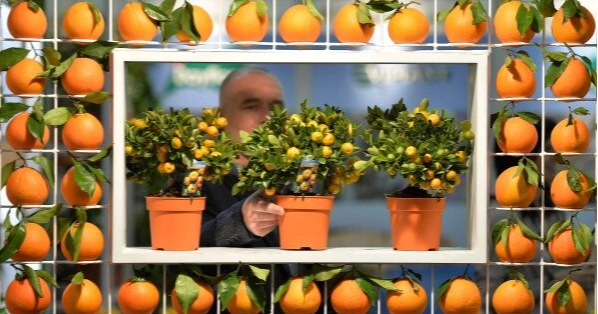
Citrus trees can thrive indoors during winter in colder regions if they receive proper care, sufficient sunlight and suitable growing conditions. While these subtropical and tropical plants can tolerate lower temperatures than many people expect, prolonged freezing conditions require them to be moved indoors.
Unlike citrus growers in warmer regions, who can leave their trees outside throughout winter, gardeners in places such as New York often need to grow them in containers and move them indoors as temperatures drop.
Meyer lemon and Ponkan mandarin trees, for example, can remain healthy and produce fruit indoors with the right winter care.
Ensure adequate sunlight
Citrus trees need plenty of light during winter. A well-draining potting mix specially prepared for citrus plants is recommended to maintain healthy roots and prevent waterlogging, particularly when the plants require less water during colder months.
The sunniest location in the house is usually the best place for indoor citrus trees. South- or southwest-facing windows are ideal because they receive substantial sunlight.
If natural light is insufficient, gardeners can use full-spectrum grow lights positioned above the plants for 10 to 12 hours daily.
Keep pets away from citrus trees
Citrus trees can be toxic to both cats and dogs, making it important for pet owners to keep them out of animals' reach.
One possible solution is to cover the plants with a mesh bag fitted with a drawstring. This allows sunlight to reach the trees while preventing pets from chewing their leaves. However, mesh coverings may slightly reduce the amount of sunlight reaching the plants.
Proper watering, fertilising and maintenance
Indoor citrus trees should be kept away from cold drafts, radiators and forced-air heating vents. Sudden temperature changes and dry indoor air can stress the plants and cause their leaves to fall.
A relatively cool room is generally better than an excessively warm environment. Maintaining humidity at around 50% is also beneficial. If indoor air becomes too dry, a humidifier can be placed nearby. Alternatively, the pot can be positioned on a shallow tray containing pebbles and water.
Although citrus trees do not become fully dormant during winter, their growth slows considerably. Therefore, watering should be reduced, keeping the soil only slightly moist. Gardeners should allow the top one or two inches of soil to dry before watering again. Watering can be increased when new growth appears in spring.
Fertiliser should be applied once a week from spring through September. However, feeding should be stopped completely during winter.
Regularly inspect the leaves for pests, particularly their undersides, where spider mites, scale insects and aphids commonly gather. If pests are detected, insecticidal soap or neem oil can be used according to the product instructions.
Gradually move trees outdoors in spring
When temperatures become suitable again, citrus trees can be moved outdoors. Around late May, they should initially be placed in a shaded location before being gradually exposed to direct sunlight over approximately one week.
This gradual transition helps the plants adjust to outdoor conditions and reduces the risk of stress caused by sudden changes in sunlight.
Although indoor citrus trees may not produce as much fruit as those grown in warmer climates, proper winter care can still result in a rewarding harvest of fresh lemons and mandarins, suitable for making juice, desserts and homemade pies.