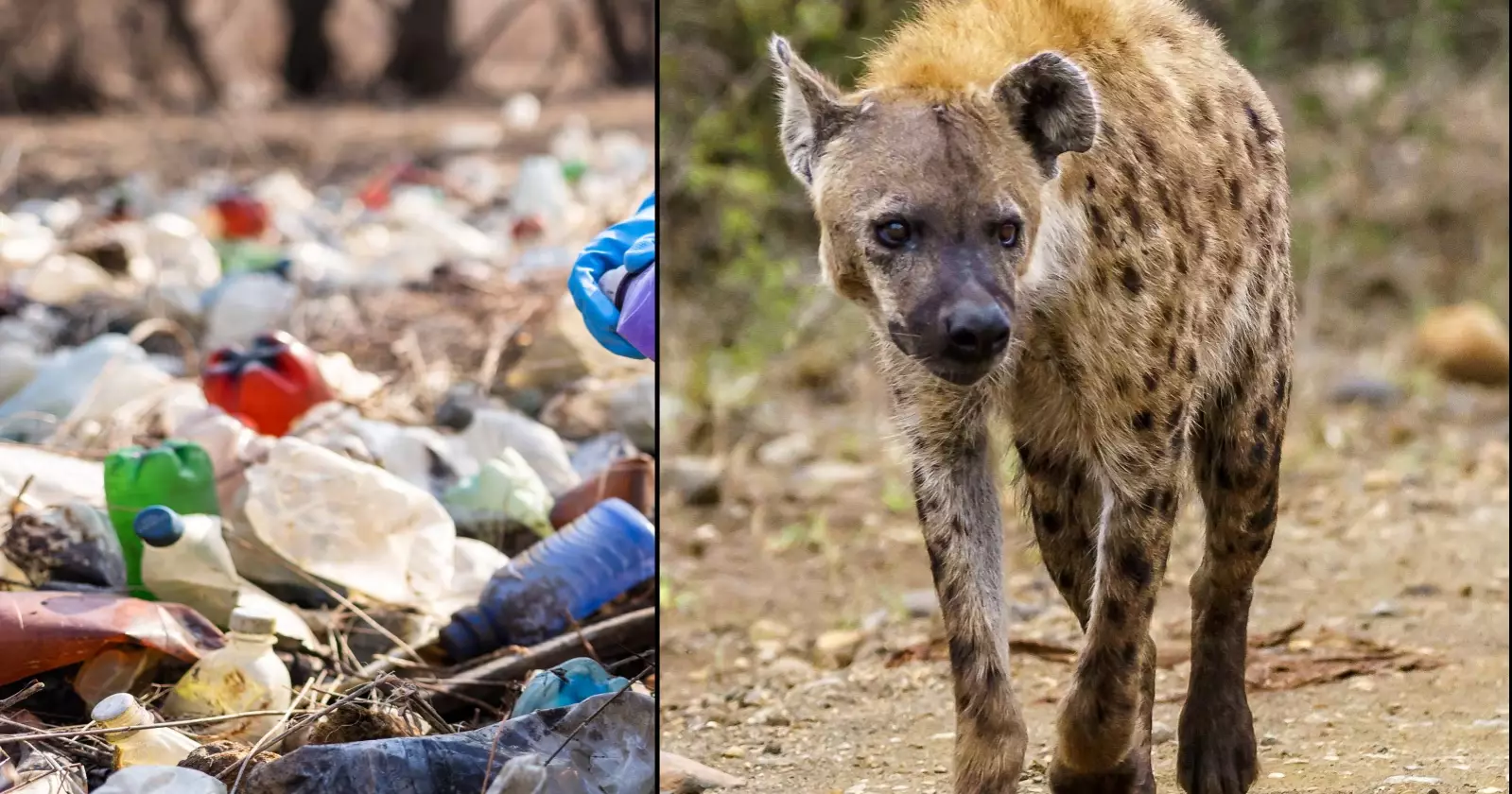
A fascinating ecological study has revealed that hyenas are playing an unexpected role in urban waste management in the Ethiopian city of Mekelle, where they help process nearly 5,000 tonnes of organic waste every year.
The study, led by wildlife ecology expert Gidey Yirga, found that hyenas and other scavengers significantly reduce the city’s waste burden, contributing to cleaner surroundings and potentially lowering public health risks.
According to the research, spotted hyenas account for about 90 percent of this natural waste-processing activity, consuming discarded organic material that would otherwise accumulate in urban areas.
Dr Yirga told CNN that this system benefits both humans and animals, noting that scavengers feed on waste while helping remove materials that could otherwise spread disease, including anthrax and bovine tuberculosis.
Public health experts say the role of scavengers in removing decomposing animal remains may help reduce exposure to dangerous pathogens such as Bacillus anthracis, Mycobacterium bovis, Salmonella, Clostridium and Brucella species.
By quickly consuming carcasses, hyenas may also limit insect breeding, foul odours and environmental contamination, indirectly reducing the risk of disease transmission to livestock, wildlife and humans.
Some experts also suggest there may be environmental benefits. Kapil Bhatia, founder of sustainable fashion brand UNIREC, noted that reducing organic waste in landfills could lower methane emissions, a greenhouse gas far more potent than carbon dioxide.
However, experts caution against viewing wildlife as a replacement for formal waste management systems.
Medical professionals also warn that scavengers themselves can carry pathogens in saliva, faeces and fur, and increased human interaction with wild hyenas may raise the risk of bites or disease transmission.
While the human–hyena relationship in Ethiopia presents a striking example of ecological balance, experts emphasise that it cannot replace structured urban waste management systems, which remain essential for long-term public health and environmental safety.
#From Indian Express