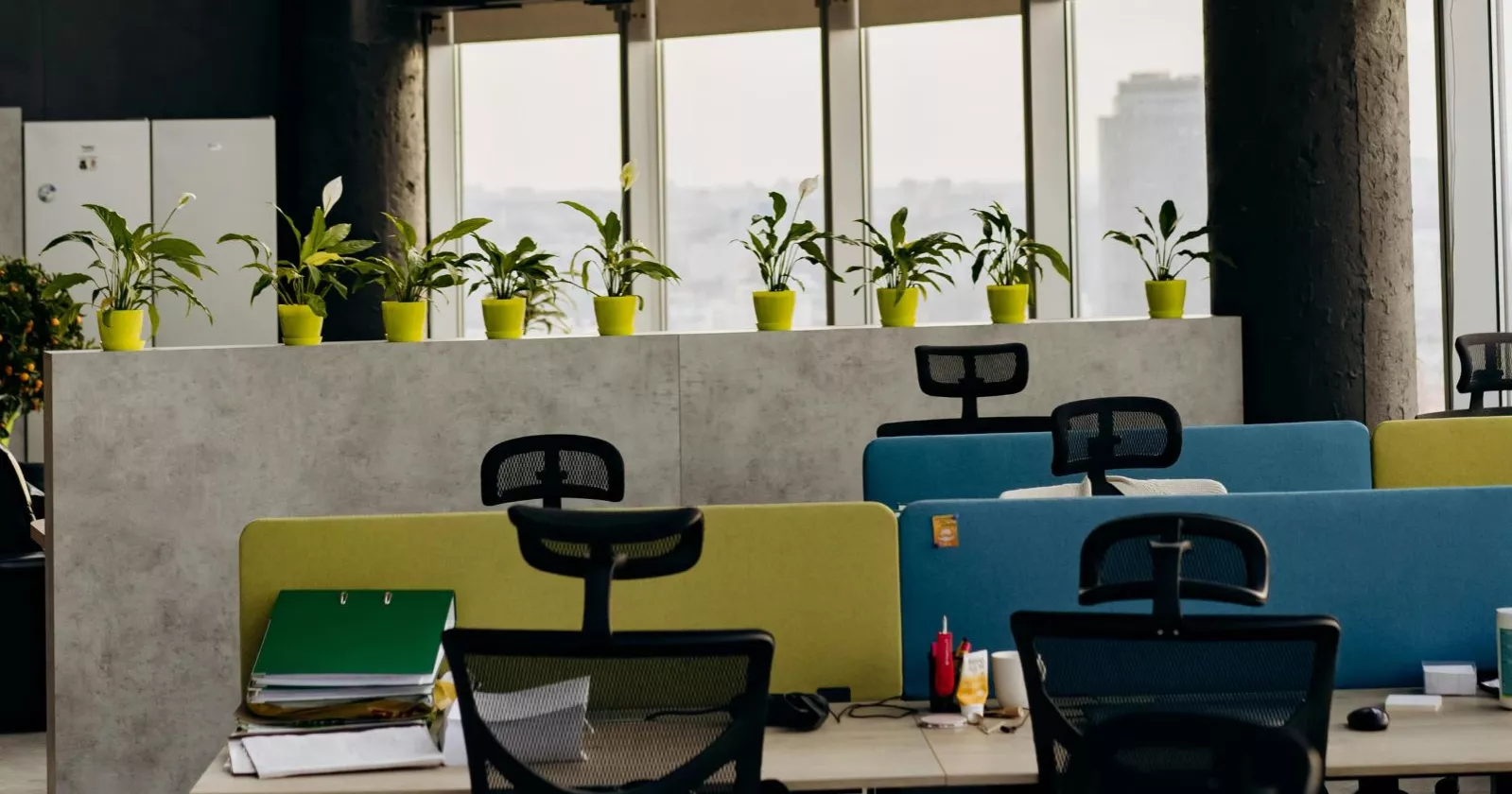
A growing social media trend dubbed “office air” is drawing attention to how long hours spent in indoor office environments may leave people feeling and looking more tired, dull and less refreshed by the end of the day.
Online users have been sharing posts and videos with phrases such as “office air is ruining your makeup”, “office air is making your skin dull” and “office air is making you tired,” describing a widely felt experience among office workers.
The trend, which has gained popularity across social media platforms in recent months, often shows before-and-after comparisons of individuals at the start and end of their workday. Many users report visible changes such as faded makeup, oily or flat hair, dry skin and signs of fatigue.
Experts say these effects may be linked to poor indoor air quality, which can cause headaches, tiredness, difficulty concentrating, eye irritation and “brain fog” after prolonged exposure.
Dr Aravinda S N, Lead Consultant in Internal Medicine at Aster RV Hospital in Bangalore, said most modern offices are enclosed spaces with limited fresh air circulation, leading to a buildup of carbon dioxide, dust, allergens and volatile organic compounds (VOCs) from furniture and cleaning products.
“When carbon dioxide gets too high, particularly in packed meeting rooms, alertness can drop, and thinking skills get less sharp, so employees feel worn out and mentally sluggish,” he said.
He added that poor ventilation may also allow mould and other pollutants to accumulate, while increasing the risk of airborne infections in shared office spaces.
According to him, viruses can remain suspended in the air for longer in poorly ventilated environments, especially in air-conditioned and closed meeting rooms, increasing the risk of illnesses such as influenza, the common cold and COVID-19.
Dr Aravinda stressed the need for better ventilation, regular HVAC maintenance, air purifiers with HEPA filters and increased exchange of outdoor air to reduce airborne contaminants and improve workplace health conditions.
He said improved airflow can also help reduce indoor humidity and pollutants that irritate the respiratory system and weaken immunity, particularly in shared areas such as cafeterias, conference rooms and elevators.
Skincare specialist Dr Sunil Kumar Prabhu, Consultant Dermatologist and Aesthetic Physician at the same hospital, said prolonged exposure to air-conditioned environments can also affect skin and scalp health.
He said air conditioning reduces indoor humidity, causing the skin to lose moisture faster, which can lead to dryness, tightness, flaking and irritation.
Over time, this may weaken the skin barrier, reduce elasticity and contribute to the early appearance of fine lines, making the skin look dull or prematurely aged, he noted.
Dr Prabhu added that low humidity and poor ventilation may worsen conditions such as eczema, rosacea and sensitive skin by triggering itching, redness and irritation.
He also said indoor pollutants, dust, cleaning chemicals, temperature changes and stress can further aggravate skin sensitivity and flare-ups.
On scalp health, he noted that prolonged exposure to air-conditioned environments may cause dryness, itching, flaking and dandruff, while also leading to rough hair texture, frizz and breakage due to loss of natural oils.
He advised maintaining proper hydration, using gentle shampoos, regular conditioning and avoiding excessive heat styling to protect hair and scalp health.
Regarding skincare routines, Dr Prabhu said office workers often benefit more from barrier-repair-focused products rather than only lightweight moisturisers.
He recommended ingredients such as ceramides, hyaluronic acid, glycerin, niacinamide and fatty acids to help restore moisture balance and strengthen the skin barrier.
He also cautioned against common mistakes such as skipping moisturiser, poor hydration, neglecting sunscreen indoors, over-washing the face, using harsh cleansers, wearing heavy makeup for long hours and ignoring sleep, nutrition and stress management.
A simple and consistent skincare routine, along with adequate hydration and gentle products, can help maintain healthier skin during long indoor work hours, he added.
#From NDTV