I have seen date palms all my life. In the winter, during early morning car rides from our home in Dhaka to my ancestral village Mohishkhola, I would see men with lungis tucked around their waist climbing lithely up the tall, slender trunks to collect the date syrup. They shave the bark from one side of the tree, cut a slanted groove across the exposed bark, and hang a clay pot overnight to collect the sweet sap in the morning.
In 2021, when I was 12 and became more health conscious and interested in natural substitutes for refined sugar, it was my grandmother who suggested I switch to organic date syrup, a traditional sweetener famous in the region of Mohishkhola. I found it to be a healthier substitute, and started thinking of ways to revive the centuries-old tradition into our modern lives.
Soon after, in 2022, I began a project to plant date trees in Mohishkhola. I reached out to a local NGO called Toru Pallab, which helped me to plant 1000 date trees along the public roadsides of the village. We placed protective bamboo cages around the saplings to keep any small animals or critters from harming the plants, or people from trampling on them. In my excitement to start the project, I used royalties from two books I had previously published to help cover the necessary costs, including buying saplings and hiring labor to help plant them.
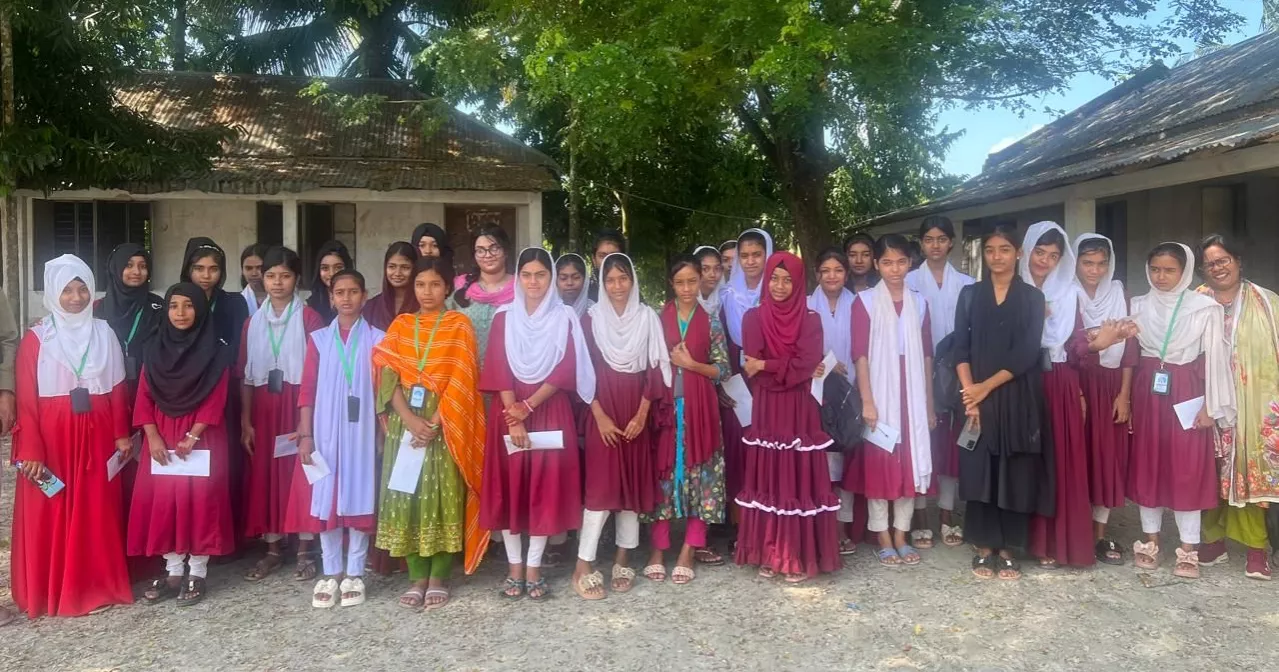
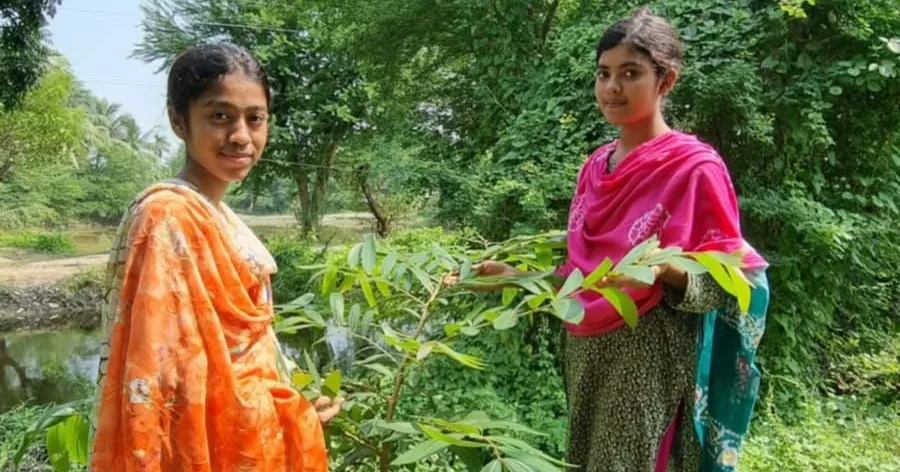
Over the next year however, some serious flaws in my project started to emerge. Every time I went to my village, I realised that more and more of my trees had not survived. I was confused as to why, since I thought we had taken all necessary precautions to ensure their survival. However, over time and after multiple visits, I realised that because the trees were planted on public roadsides of the village, no one owned them. The plants were simply dying due to lack of care. Although I felt dismayed and disappointed by this failure, I didn't want to abandon the project, and knew that I had to instead take a different approach. For my project to survive, it needed to become personal, not just for me but for the village community itself. So I started all over, this time incorporating what I had initially missed out: engaging the local community. As the year stretched into 2024, I held discussions with the village elders, local school teachers and students. After brainstorming ideas about how to establish a clean and sustainable environment, my new plan was to plant a variety of medicinal and fruit plants (including dates) inside each household of the village. Before starting, I engaged 30 local high school girls as volunteers. Since I live in Dhaka, and can't visit every weekend, the student volunteers would help me to ensure that everything was running smoothly. They would regularly check up on the plants, and make sure that they were being properly maintained by their owners.