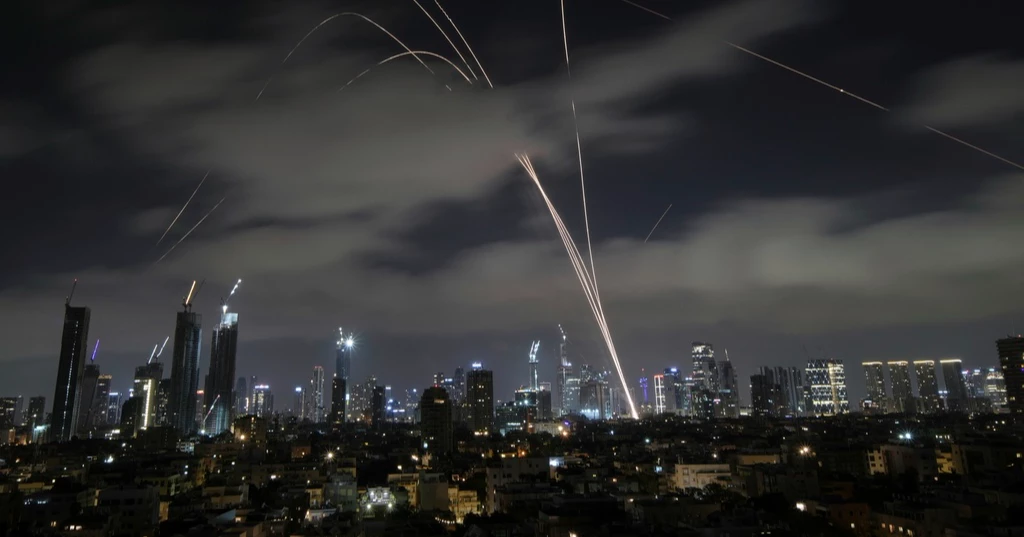
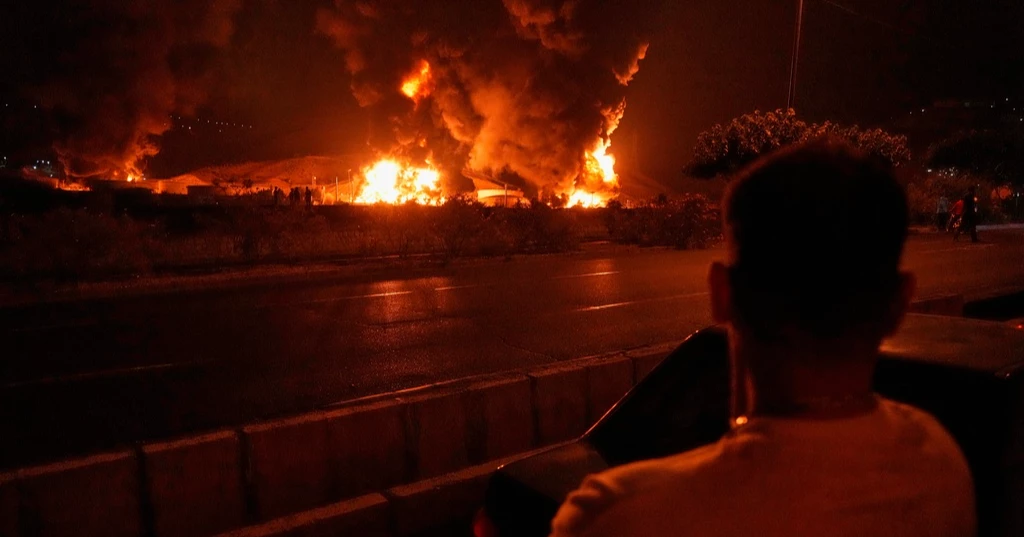
While everyone discusses the politics and the politicians behind the recent eruption of violence between Iran and Israel, what is the true cost of this war so far and where are we right now?
Background of the Conflict
The conflict ignited on June 12, 2025, when Israel launched a large-scale operation, codenamed "Operation Rising Lion," targeting Iran's nuclear facilities and military infrastructure. Over 200 Israeli fighter jets, including F-35I "Adirs," struck more than 100 sites across Iran, focusing on the Natanz nuclear enrichment facility and military command centers.
The operation aimed to disrupt Iran's nuclear program and eliminate key military figures, escalating tensions that have simmered since the 1979 Iranian Revolution and intensified through proxy conflicts involving groups like Hezbollah and Hamas.
In response, Iran launched a series of retaliatory attacks starting on June 13, 2025, deploying over 150 ballistic missiles and 100 drones against Israeli cities, including Tel Aviv and Jerusalem. Named "Operation Severe Punishment," these attacks aimed to counter Israel's strikes and caused significant damage despite Israel's robust defense systems.
The conflict, ongoing as of June 15, 2025, represents the most intense direct confrontation between the two nations in decades.
Destruction and Losses in Iran
Infrastructure Damage
Israel's airstrikes targeted critical infrastructure, notably Iran's nuclear facilities and military bases. The Natanz enrichment facility, a cornerstone of Iran's nuclear program, sustained significant damage, though no nuclear accidents occurred as working reactors like those in Bushehr and Tehran were spared.
The strikes also hit military sites, including an underground command center, and energy infrastructure, causing minor damage to Iran's defense ministry building in Tehran. These attacks disrupted Iran's nuclear enrichment capabilities and military operations, though much of the nuclear program remains intact.
Casualties
According to Iran's Fars News Agency, at least 78 people were killed and 329 injured during Israel's attacks on June 13, with the majority being civilians, as stated by Iran's UN ambassador, Amir-Saeid Iravani. Another source reported up to 90 deaths. Among the casualties were high-ranking military officials, including:
Major General Mohammad Bagheri, Chief of General Staff
Hossein Salami, IRGC Commander-in-Chief
Gholam Ali Rashid, IRGC senior commander
Amir Ali Hajizadeh, IRGC Aerospace Force Commander
Davoud Shaykhian, IRGC air defense unit commander
Taher Pour, IRGC drone unit commander
Additionally, nine nuclear scientists, including Fereydoon Abbasi and Mohammad Mehdi Tehranchi, were killed, significantly impacting Iran's scientific and military leadership.
In East Azerbaijan province, 31 people, including 30 soldiers and one Red Crescent member, were reported killed.
Total Deaths -- 78–90 (majority civilians, per Iran's UN ambassador),
Total Injuries -- 329,
Military Commanders -- 6 senior commanders, including Bagheri, Salami, Rashid, Hajizadeh, others
Nuclear Scientists -- 9, including Fereydoon Abbasi and Mohammad Mehdi Tehranchi
Infrastructure Damage -- Natanz nuclear facility, military bases, defense ministry building.