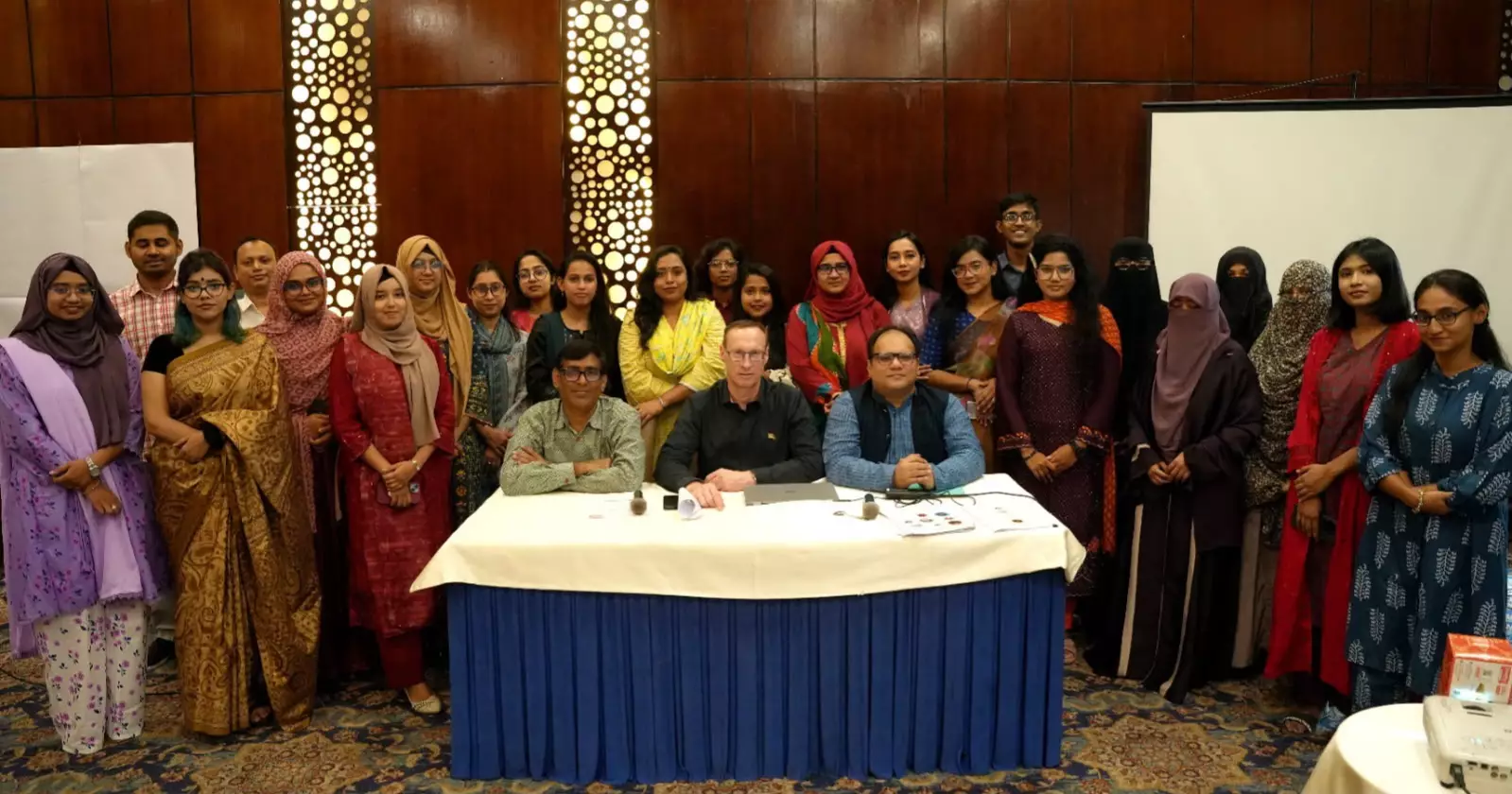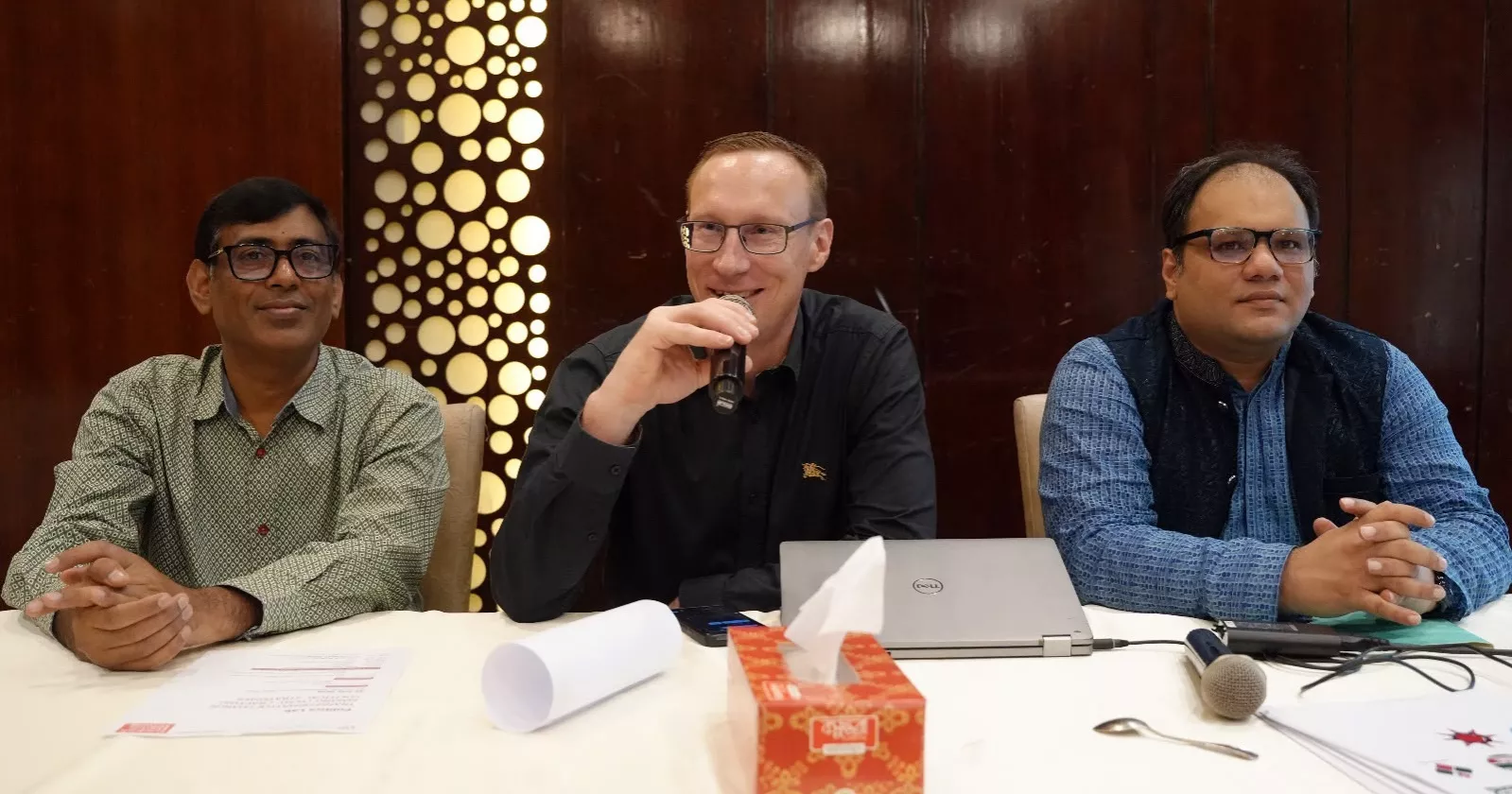
Political narratives must resonate with social values and create opportunities for inclusive political change, speakers said at a workshop in Dhaka on Saturday.
The workshop, titled "Transformative Change-making and Political Strategy Making," was organised by the Centre for Governance Studies (CGS) with support from Friedrich-Ebert-Stiftung (FES) Bangladesh at a hotel in the capital.
Young women political activists representing different political parties and student organisations joined the programme as part of this ongoing initiative to strengthen women's political leadership and democratic participation.
The workshop focused on understanding transformative political change, strategy making, collective action, and narrative building within democratic politics.
Through interactive discussions and participatory exercises, participants explored how political actors can build inclusive movements capable of addressing structural challenges and strengthening women's meaningful participation in politics.
In his opening remarks, CGS Executive Director Parvez Karim Abbasi emphasised the importance of strengthening women's involvement in electoral politics and ensuring their rightful place within democratic institutions.
He said that this initiative seeks to enhance the leadership capacity of young women political activists by equipping them with conceptual knowledge and practical political skills.
He further stressed that meaningful political inclusion requires not only greater quantitative representation but also stronger involvement in decision-making processes and democratic leadership.
Shadhan Kumar Das, Programme Adviser of Friedrich-Ebert-Stiftung (FES) Bangladesh, introduced the activities and democratic values of Friedrich-Ebert-Stiftung to the participants.
He explained that FES, as a German political foundation, has been working in Bangladesh for more than a decade on issues relating to democratization, political participation and social inclusion. Beyond Bangladesh, the organization continues to engage globally on subjects including geopolitics, geoeconomics, climate change, labour rights and democratic governance, while supporting locally grounded strategies for political and social transformation.