
Archaeologists working in the eastern Pyrenees have uncovered evidence suggesting repeated human activity in a high-altitude cave that may date back more than 5,500 years, offering new insights into how prehistoric communities used mountain landscapes.
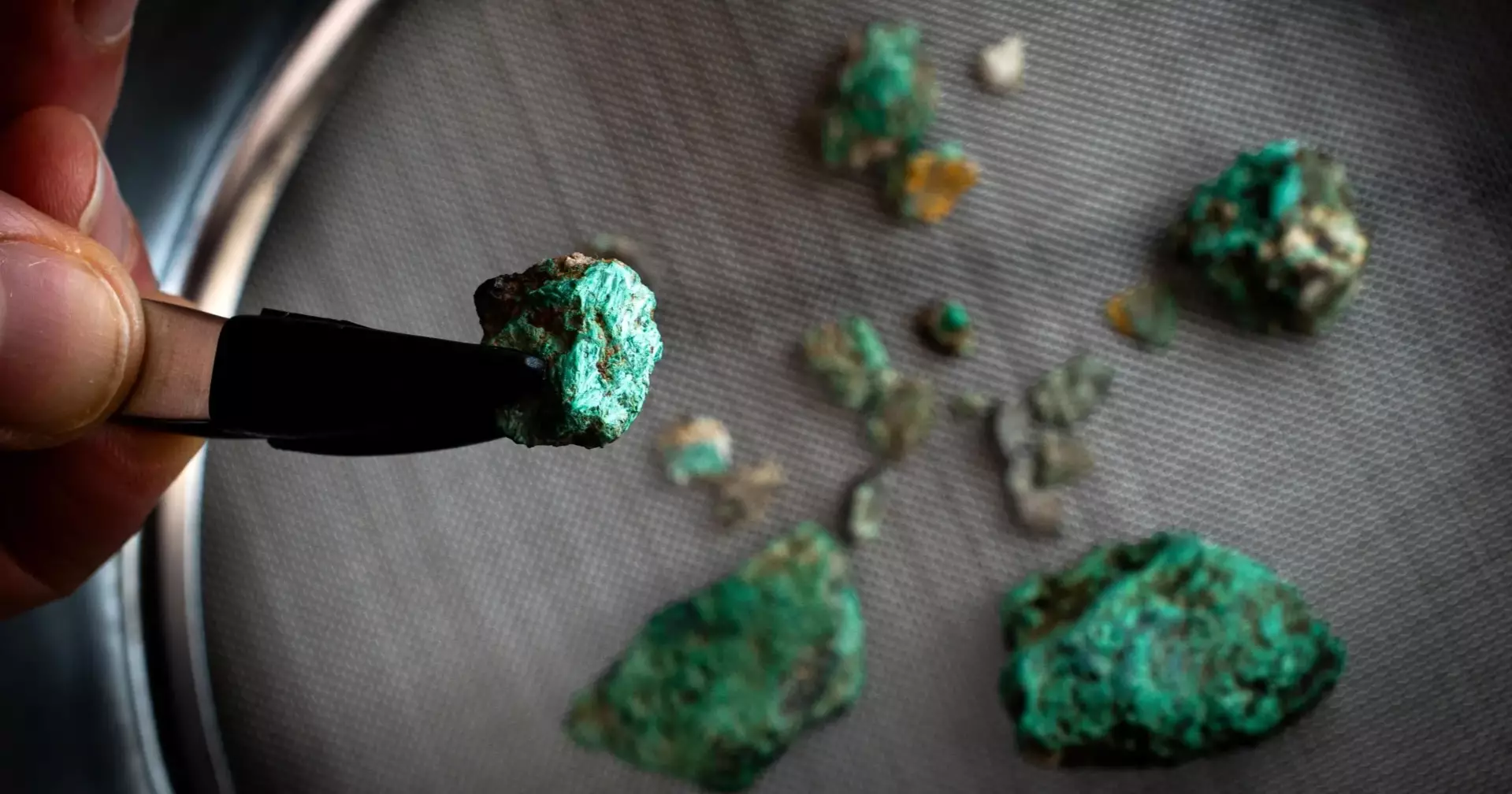
The cave, located at an elevation of more than 7,300 feet (2,235 metres), contains dozens of ancient hearths along with unusual green mineral fragments that researchers believe could be linked to early copper-related activities.
Experts say the findings challenge the long-held view that prehistoric people only briefly passed through such high mountain areas. Instead, the evidence suggests the site was visited repeatedly over a period of around 2,000 years.
Researchers also found human remains, including a child’s finger bone and a baby tooth, raising the possibility that the cave may have been used for burials as well.
“For a long time, high-mountain environments were seen as marginal places used only occasionally,” said Professor Carlos Tornero, lead author of the study published in *Frontiers in Environmental Archaeology*. “But we found a very rich sequence of human activity, with multiple hearths and a large number of green mineral fragments.”
The site, known as Cave 338 in the Freser Valley, was excavated in a six-square-metre area near its entrance. Researchers identified four distinct layers showing different phases of human use.
The most recent layer contained only a small number of historical-era objects, suggesting limited later use. The deepest layer, dated to about 6,000 years ago, contained only charcoal remains.
The most significant discoveries came from the middle layers, where archaeologists uncovered 23 hearths filled with burned and crushed green mineral fragments. Early analysis suggests the material may be malachite, a copper-rich mineral, though confirmation is still pending.
The presence of this material has led researchers to consider whether the site may have been connected to early copper extraction or symbolic use of mineral resources.
Human remains were also found in one of the layers, including a child’s finger bone and a baby tooth believed to belong to a child around 11 years old. Scientists say there is not yet enough evidence to confirm whether the remains belonged to the same individual or whether the cave served as a burial site.
Other artefacts include two pendants — one made from a shell and another from a brown bear tooth — suggesting both cultural exchange and symbolic practices among prehistoric groups.
Researchers say Cave 338 was not a permanent settlement but was likely revisited repeatedly over thousands of years, indicating its special significance.
Further excavations are planned to better understand the site’s full depth and to confirm the identity of the green mineral. Scientists from the University of Granada and the Autonomous University of Barcelona are continuing analysis.
Source: Science Daily