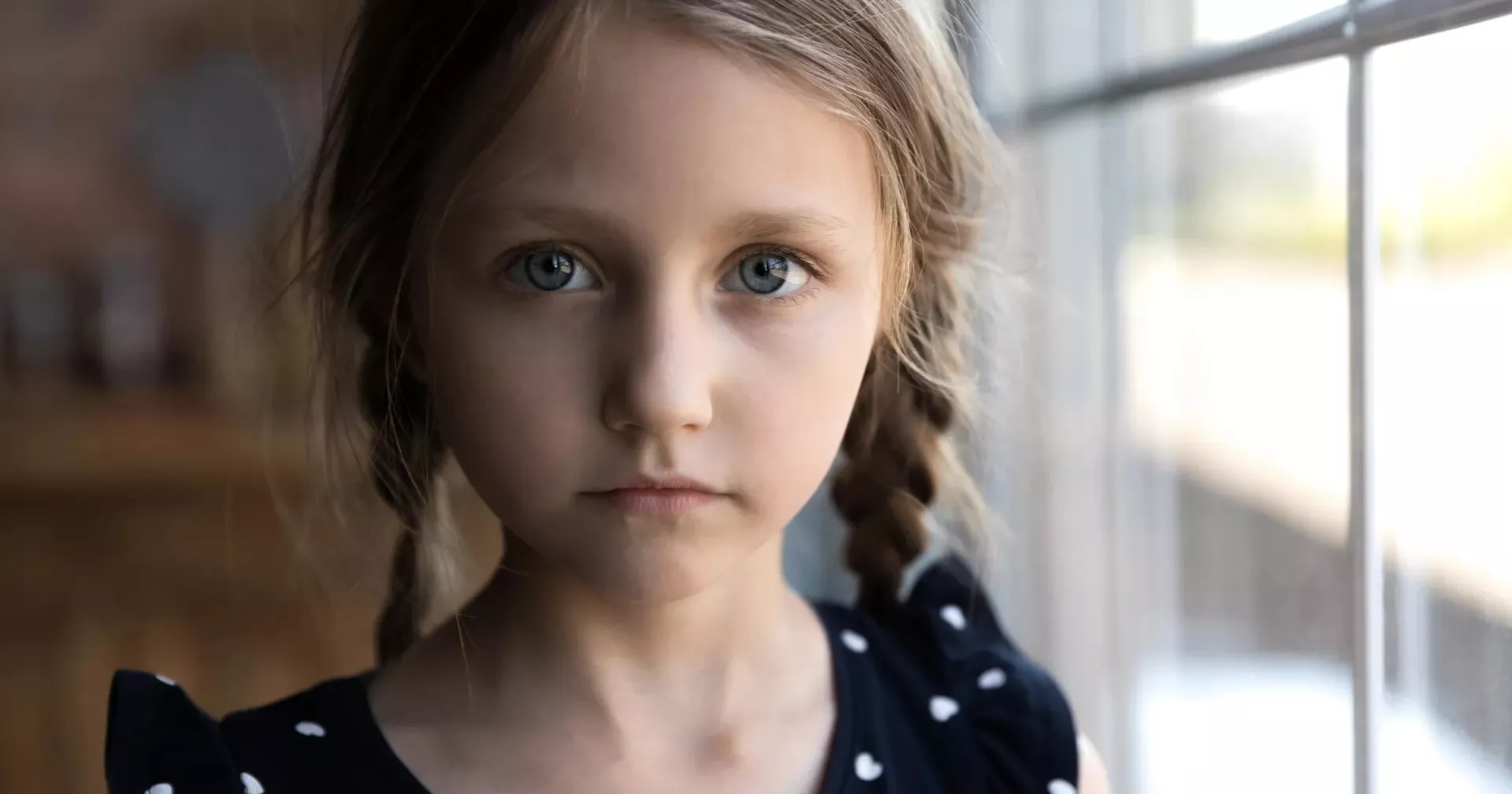
How children respond to simple facial expressions such as smiles and frowns may provide early clues about their risk of developing depression, according to a new study by researchers at Binghamton University.
The research found that depression can affect the way children pay attention to emotional faces, and these patterns differ depending on whether they have a family history of depression.
Researchers at Binghamton University's Mood Disorders Institute are studying how depression develops during childhood and adolescence. They hope that identifying early warning signs could help doctors and families detect and address mental health problems before they become more serious.
“Many of the risk factors we study are still developing during childhood,” said Brandon Gibb. “This gives us a chance to identify problems early rather than waiting until they become more established.”
Previous studies have shown that people with depression often pay more attention to sad facial expressions. However, scientists have long debated whether this attention pattern causes depression or is a result of it.
The new study is the first to examine how depressive symptoms and attention to emotional faces may influence each other over time in children.
Lead researcher Kelly Gair said the study explored how attention patterns and depressive symptoms continuously affect one another as children grow.
The research followed 242 children and their mothers over a two-year period. Participants were assessed every six months.
During each assessment, children were shown pairs of faces on a screen. One face displayed a neutral expression, while the other showed a happy, sad or angry expression. Researchers used eye-tracking technology to measure which faces attracted the children's attention and how long they looked at them.
The findings revealed different patterns based on family history.
Among children whose mothers had experienced major depression, increasing depressive symptoms were linked to greater attention to sad faces.
Researchers said that as these children became more depressed, they appeared to have greater difficulty shifting their attention away from negative emotional cues.
Gibb suggested that children exposed to more sadness at home may become especially sensitive to sad facial expressions when they experience depressive symptoms themselves.
For children whose mothers had no history of depression, the pattern was different.
Instead of focusing more on sad faces, they spent less time looking at happy faces when their depressive symptoms increased.
Researchers believe this may reflect the loss of a protective factor, as attention to positive emotions could help buffer against depression.
The team is continuing to follow the children as they enter adolescence to determine whether these attention patterns increase the likelihood of developing clinical depression later in life.
The findings were published in the scientific journal Journal of Psychopathology and Clinical Science.
Researchers say the study could help improve early detection and prevention efforts by identifying subtle behavioural signs that emerge before depression becomes severe.
Source:Science Daily