
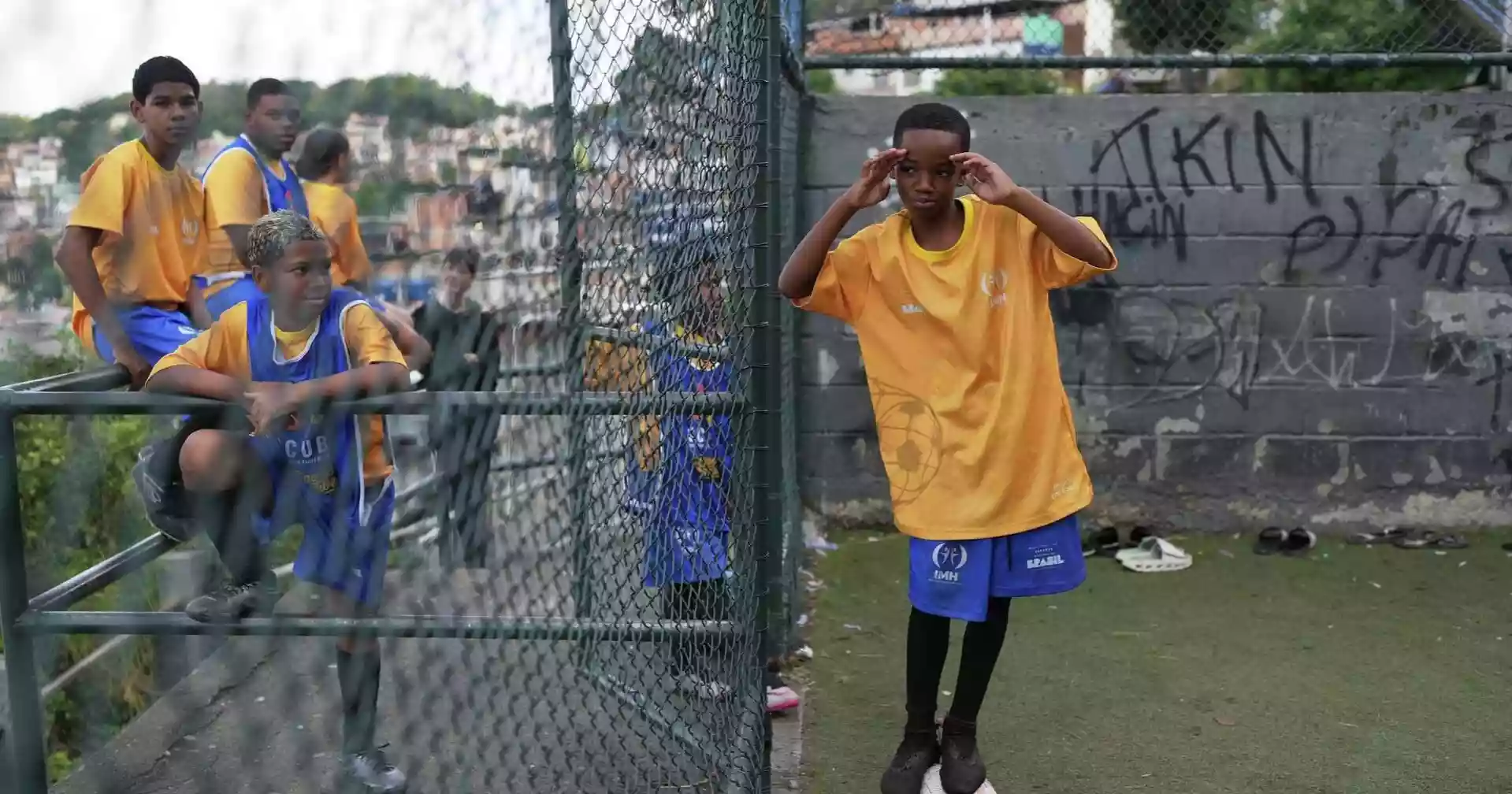
For 18-year-old Brazilian João Victor Gonçalves, football has opened doors he never imagined possible.
Growing up in one of Rio de Janeiro’s poorest and most violence-hit favelas, Gonçalves never expected the sport he loves would one day take him abroad to represent Brazil in an international tournament.
Last month, he and nine other boys travelled to Mexico to compete in the Street Child World Cup, a tournament featuring teams from 30 countries made up of children and teenagers from disadvantaged backgrounds. The event was held ahead of this year's FIFA World Cup.
"I never imagined I would represent my country in another nation doing what I love most, playing football," Gonçalves said. The experience became even more memorable as Brazil remained unbeaten and won the tournament.
Like many young Brazilians, Gonçalves and his teammates grew up playing football on the streets and dreaming of becoming professional players like the stars of Brazil’s national team.
They say the Street Child United Brazil project has already transformed their lives.
Based in Rio's Penha favela complex, the programme offers young people a safe space away from the hardships and violence that often define daily life in the community. It also helps build confidence, friendships and hope for the future.
The initiative was launched in 2014 when Brazil hosted the FIFA World Cup. Today, around 100 children and teenagers take part in training sessions held four days a week throughout the year. The programme is open to boys and girls aged six and above.
For 17-year-old participant Ryan Mercedes, football represents more than just a game.
"It means love, passion and making dreams come true," he said. "When we step onto the field, it's our time to enjoy ourselves and be happy."
However, life in the favela can sometimes disrupt that escape. Participant Rafael Gomes recalled a training session that was interrupted by a police operation.
"We were training when gunfire suddenly broke out. We had to run and take cover," he said.
Violence remains a major challenge in the area. More than 120 people were killed last year during police operations in Penha and the neighbouring Alemão favela complex targeting members of the criminal group Red Command.
The drug-trafficking gang controls parts of the community and can attract vulnerable young people seeking quick money.
Project coordinator Drica Santos said the programme aims to provide a positive alternative.
"If this project didn't exist, many lives could have been lost," Santos said. "We may not be able to help everyone, but every child we keep away from drug trafficking is a victory."
Community leader Carlos Cassiano da Silva said parents value the programme because it keeps their children engaged in constructive activities and away from trouble.
He added that the initiative also helps change negative perceptions about Penha.
"Many people only hear bad things about Penha. They don't see the positive side of our community and the good things happening here," he said.
With the FIFA World Cup approaching, Gonçalves hopes Brazil's national team can follow the example set by his squad in Mexico.
"We've already done our part," he said. "Now it's the turn of Brazil's national team."