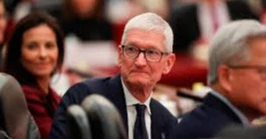
Apple is widely expected to introduce a range of new artificial intelligence capabilities at its annual Worldwide Developers Conference (WWDC), which opens on Monday and marks the last such event under the leadership of CEO Tim Cook before he hands over the role to John Ternus in September.
The conference, held at Apple’s headquarters in Silicon Valley, draws thousands of developers from around 60 countries each year and traditionally highlights software advancements rather than new hardware products, which are typically unveiled during the company’s autumn iPhone launch events.
Industry observers anticipate announcements related to enhanced AI tools and significant upgrades to Siri, Apple’s virtual assistant.
According to Emarketer senior analyst Gadjo Sevilla, while major hardware launches are unlikely, Apple may provide insight into future product categories such as foldable devices, wearable technology, and smart home solutions through ecosystem and developer-focused updates. He described this year’s conference as a “transition year” for the tech giant.
Apple has faced increasing pressure to strengthen its position in the rapidly evolving AI sector, where competitors have moved ahead more aggressively. The company currently relies in part on Google’s Gemini model to support some of its AI-powered features.
Sevilla expects Apple to transform Siri into a more advanced AI assistant capable of holding natural conversations, remembering previous interactions, and carrying out multiple tasks through a single command.
He noted that a more sophisticated, AI-driven Siri could become a core feature across Apple devices, similar to ecosystem tools such as AirDrop and Handoff that seamlessly connect iPhones, Macs and iPads.
Cook announced in April that he would retire after leading Apple for 15 years. During his tenure, the company’s market value increased by more than $4 trillion, largely driven by the success of the iPhone. His successor, John Ternus, has spent 25 years at Apple and has overseen hardware engineering for key products including the iPhone, iPad and Mac over the past five years.
The leadership transition comes as Apple navigates a critical period for the technology industry. The rise of artificial intelligence has sparked the most significant transformation since the introduction of the first iPhone in 2007. Although Apple promised major AI-powered features nearly two years ago, the company has struggled to deliver on some of those ambitions, leaving it under pressure to demonstrate meaningful progress in the field.