Australian Prime Minister Anthony Albanese has criticized senators for delaying proposed changes to the country's world-first social media ban for children, warning that the hold-up could allow technology companies to destroy documents that may be used as evidence against them.
The government this week introduced amendments to strengthen the powers of Australia's online safety regulator, eSafety Commissioner Julie Inman Grant, to enforce the ban that prevents children under 16 from holding accounts on platforms such as Facebook, Instagram and YouTube.
The proposed changes would allow the commissioner to demand documents from social media companies, in addition to information, about the steps they are taking to keep children off their platforms. Under the current law, she can only request information.
However, the opposition Liberal Party and the Greens referred the bill to an eight-week Senate inquiry on Thursday, delaying its passage. The ruling Labor government does not have a majority in the Senate.
Albanese called the delay "outrageous," saying it gives social media platforms time to delete important records before regulators can legally demand them.
He told the Australian Broadcasting Corp. that if the bill had passed immediately, the commissioner could already have started requesting documents and issuing fines where necessary.
The amendments would also allow the commissioner to seek information from third parties, including providers of age-verification technology, to check whether platforms' claims about preventing children from accessing their services are accurate.
The bill also proposes doubling the maximum penalty for companies that fail to take reasonable steps to keep children off their platforms, increasing the fine to 99 million Australian dollars (about $68 million).
Greens Senator David Shoebridge, who has consistently opposed the social media ban, questioned the need to double a penalty that has never been imposed.
He argued that increasing fines alone would not necessarily make children safer online.
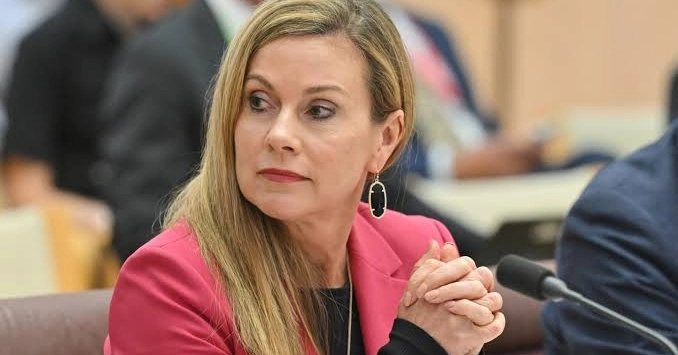
Opposition communications spokesperson Senator Sarah Henderson said the proposed changes were still not strong enough.
She described the social media ban as poorly designed, rushed and ineffective, saying Parliament should examine the amendments carefully and consider stronger measures.
Australia's Parliament passed the original legislation in 2024 with broad bipartisan support, giving the 10 affected social media platforms more than a year to implement the restrictions.
The Australian law has drawn global attention, with several countries monitoring its progress as they consider introducing similar child safety measures.
The government initially said more than five million children's accounts had been removed, deactivated or restricted after the ban became law.
However, the eSafety Commission reported in March that about 70% of children who had accounts on restricted platforms when the ban took effect on Dec. 10 were still using Facebook, Instagram, Snapchat and TikTok.
In April, Inman Grant said she was considering legal action against Facebook, Instagram, Snapchat, TikTok and YouTube, arguing they had failed to take reasonable steps to prevent children from accessing their services.
She said the remaining restricted platforms, including X, Kick, Reddit, Threads and Twitch, had shown more satisfactory progress.
Communications Minister Anika Wells said she had been receiving monthly updates from the eSafety Commission since March and that the government had not seen the improvements it expected.