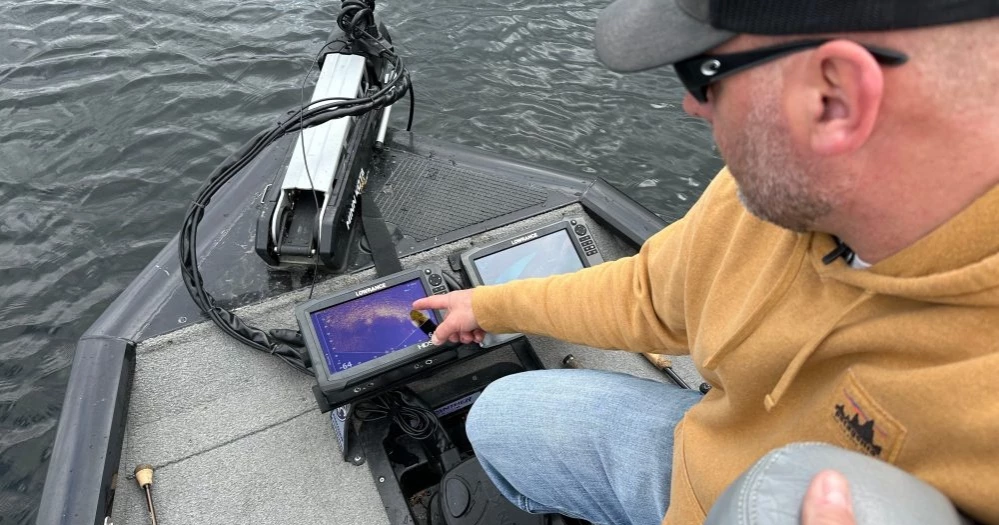
A new fish-finding technology known as forward-facing sonar is becoming increasingly popular among anglers across the United States, helping them locate and catch fish more easily. However, the technology is also fueling debate over whether high-tech equipment is changing the true spirit of fishing and its long-term impact on fish populations.
Forward-facing sonar provides real-time images of fish underwater, allowing anglers to track their movements and cast directly toward them. Unlike older sonar systems that only showed where fish might be located, the latest technology offers a live view beneath the water.
According to Dave Dunn, a sales executive at Garmin, anglers can attach the device to a trolling motor and accurately locate fish at any moment. A complete setup typically costs around $2,500.
The technology has become particularly attractive for anglers who have limited time on the water. Minnesota angler Terry Rehm said the sonar helps him quickly find fish and make the most of his fishing trips despite a busy work and family schedule.
Recreational fishing remains one of the most popular outdoor activities in the United States, attracting tens of millions of participants each year. However, many anglers enjoy fishing for relaxation and the experience of being outdoors rather than simply catching more fish.
As the use of forward-facing sonar grows, opinions among anglers have become increasingly divided. Surveys in Minnesota indicate that around 30% of anglers now use the technology, while usage on some lakes has reached more than 60%.
The debate has spread across social media, fishing forums, podcasts and fishing tournaments. Supporters view the technology as a useful tool that improves efficiency, while critics argue that it shifts attention away from the traditional skills and enjoyment associated with fishing.
Veteran fishing writer Gary Korsgaden said some anglers worry that fishing has become more focused on numbers and results rather than the overall experience and decision-making involved in the sport.
Despite those concerns, scientific studies have so far found little evidence that forward-facing sonar is causing overfishing.
A study conducted by researchers in Wisconsin compared anglers using sonar with those relying on traditional methods. Surprisingly, anglers without the technology caught fish at a slightly higher rate, although sonar users tended to catch somewhat larger fish.
Greg Sass, a fisheries research leader with the Wisconsin Department of Natural Resources, said the findings challenged many assumptions about the technology's effectiveness.
Officials in Minnesota have also found no significant negative impact from sonar use. Surveys showed anglers using forward-facing sonar generally caught similar numbers and varieties of fish as those fishing without it.
Marc Bacigalupi, a regional fisheries supervisor with the Minnesota Department of Natural Resources, said public perceptions about the technology do not always match reality.
However, Minnesota authorities have proposed reducing the daily walleye catch limit from six fish to four. Officials cited several factors, including advances in fish-finding technology, growing ice-fishing participation, social media attention on popular fishing locations and stricter regulations in neighboring states.
For many anglers, the technology has improved their understanding of fish behavior. North Dakota angler Daren Schneider said the sonar revealed surprising habits of walleye that he had never observed before.
Schneider believes fishing is about more than simply catching fish.
"Fishing isn't necessarily about catching fish or reaching your limit," he said. "It's about being outdoors and creating memories. If forward-facing sonar helps people enjoy that experience, I don't see it as a bad thing."