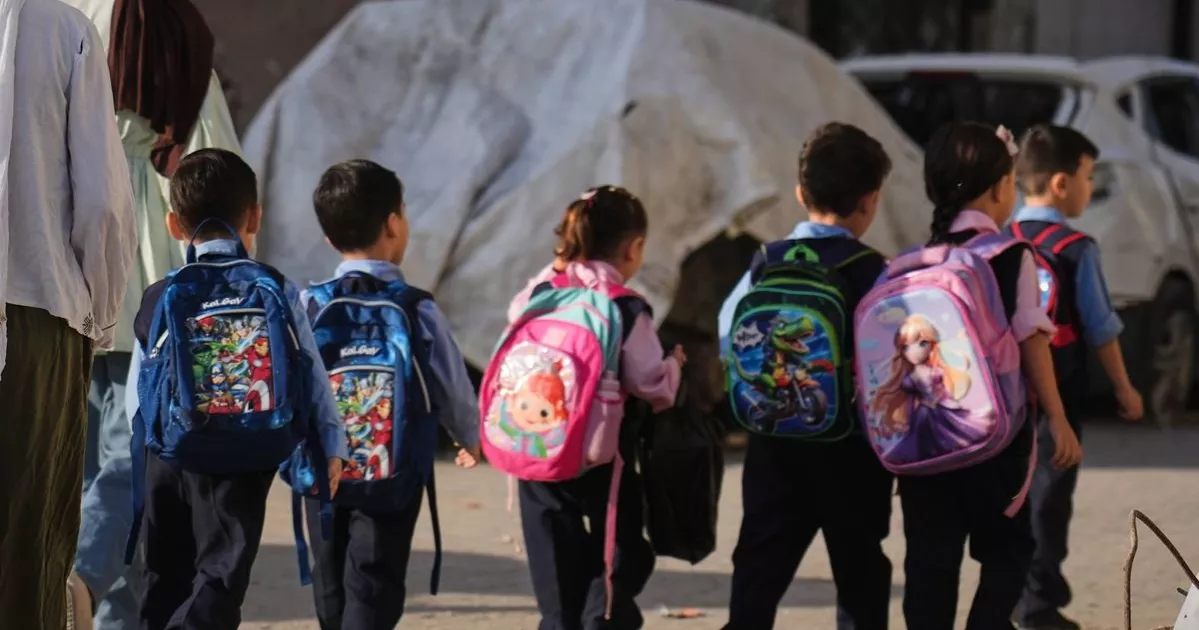
A US charity operating schools in Gaza plans to record classroom conversations and use artificial intelligence (AI) to identify speech it considers “hateful” or “inciting,” raising concerns over privacy, safety and freedom of expression.
The Gaza Children Village says the system will help ensure teachers follow a curriculum promoting peace and tolerance. However, the proposal has drawn criticism from Palestinian advocacy groups and at least one partner organisation.
The concerns are particularly strong in Gaza after three years of war, during which Israel's military has used AI to analyse intercepted communications and identify potential targets for strikes.
The charity's founder and CEO, Dr David Hasan, a Palestinian American neurosurgeon who teaches at Duke University in North Carolina, says he established the organisation after volunteering at Gaza hospitals during the war. He wants to break the cycle of violence by exposing children to different perspectives.
Its schools, known as Academies of Hope, provide meals, medical services and psychological support. The first opened last summer.
Hasan said the schools follow the Palestinian Authority's curriculum but have removed material he considers to glorify violence or promote antisemitism. He described classroom monitoring as necessary to support the revised curriculum.
Under the plan, an AI system will analyse recorded conversations and alert Hasan to potentially problematic language. He said recordings would be stored for 72 hours, with teachers contacted for explanations and feedback when necessary.
However, a charity board member, Bishara Bahbah, said monitoring should not prevent students and teachers from expressing themselves freely. An aid organisation partnering with the charity also warned that the plan could affect their cooperation.
Palestinian advocacy groups argue that the initiative could undermine local control over education. UNICEF estimates that hundreds of thousands of children in Gaza are out of school, while most schools have been damaged or destroyed during the war.
Mohammad AbuAlrob, a Palestinian government spokesperson, said the Palestinian Authority's curriculum promotes tolerance and justice, warning that classroom surveillance would cross “an important line.”