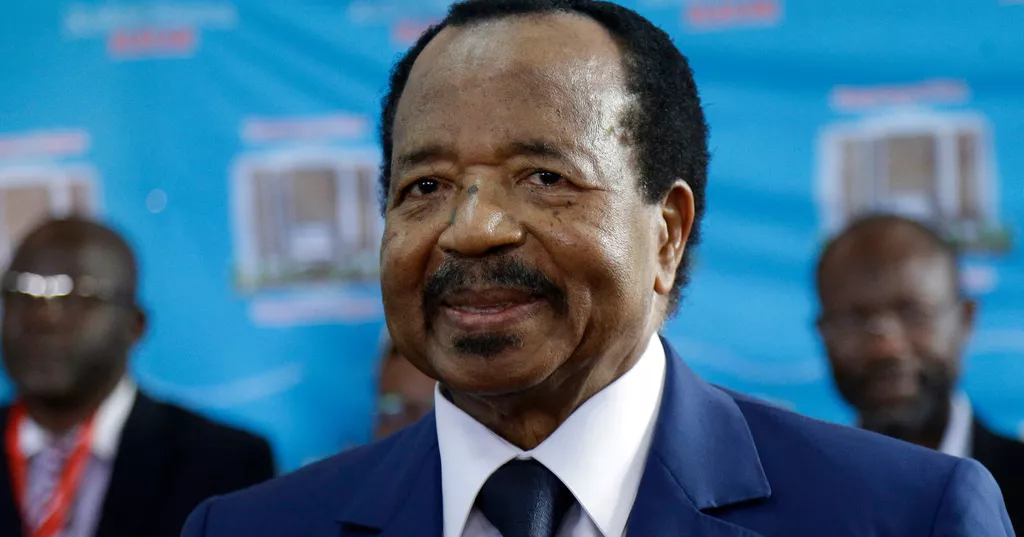
Cameroonian President Paul Biya has been out of the country for two months, fueling concerns over his health and criticism from opposition leaders over what they describe as a growing leadership vacuum in the Central African nation.
Biya, 93, the world's oldest serving president, has ruled Cameroon since 1982. He began his eighth term in November after winning a disputed presidential election in October. He left Cameroon on June 7 for what the presidency described as a "brief private stay in Europe," but the trip has become one of his longest overseas absences. The government later confirmed that he is in Switzerland.
The veteran leader's health has long been the subject of speculation as he frequently spends extended periods in Europe, particularly in France and Switzerland, while senior ruling party figures and family members oversee day-to-day affairs.
Although Cameroon's constitution does not bar the president from remaining abroad for an extended period, the absence of a vice president has prompted opposition figures to argue that the country is effectively operating on "autopilot."
Opposition leader Issa Tchiroma Bakary, who finished second in last year's presidential election and was once a close ally of Biya, said many Cameroonians believe "all is not well" with the president. Speaking from exile in The Gambia, he said Biya's prolonged stay in Switzerland has further undermined his legitimacy and intensified concerns over his continued grip on power.
Biya's more than four decades in office have seen mixed results. Cameroon continues to face security challenges from Boko Haram insurgents in the north and separatist groups in the English-speaking western regions, while economic stagnation has left many young people frustrated.
Wilson Tamfuh, a professor of public and international law at the University of Dschang, said the country's leadership has suffered as Biya's health appears to have affected his ability to govern. He also criticized repeated Cabinet reshuffles, saying they have largely involved moving the same officials between ministries without meaningful reform.
Biya's reelection in 2025 triggered protests that left at least four people dead, highlighting tensions between the country's predominantly young population and its long-serving leader.
Earlier this week, Biya reshuffled Cameroon's senior military leadership, replacing commanders in four of the country's five joint military regions and promoting several senior officers. Officials did not explain the changes, although one commander had died and another had retired.
Biya assumed office in 1982 after the resignation of Cameroon's first president, Ahmadou Ahidjo. A 2008 constitutional amendment removed presidential term limits, allowing him to remain in power. More than 70% of Cameroon's nearly 30 million people are under the age of 35, meaning Biya has governed longer than most citizens have been alive. If he completes his current term, he will leave office at nearly 100 years of age.