Canada has vowed to retaliate against new US tariffs as trade negotiations between the two longtime allies have broken down, escalating tensions between the neighboring countries.
US President Donald Trump’s 50% tariffs on a range of Canadian imports took effect Saturday, covering about 5% of Canada’s annual exports to the United States, or roughly $20 billion in goods.
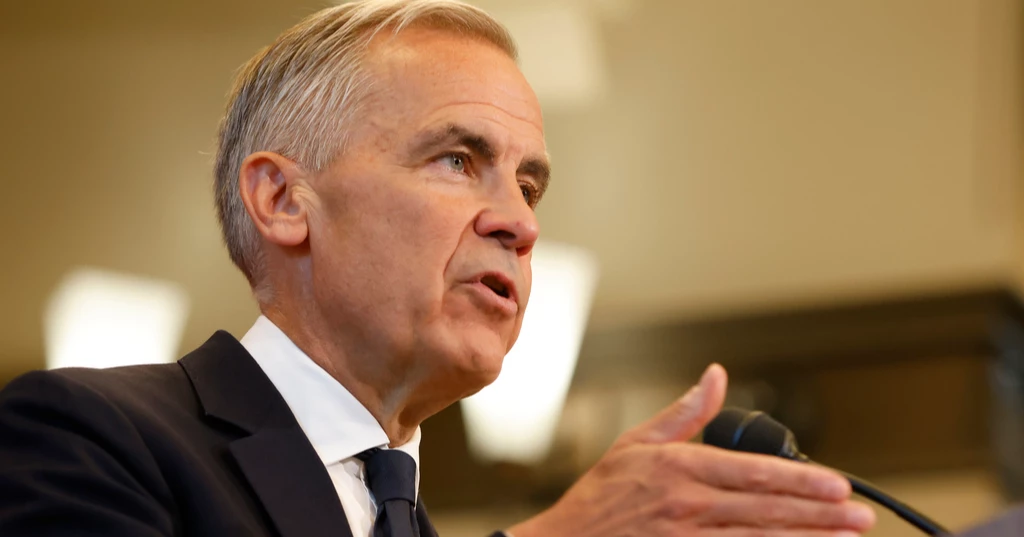
Canadian Prime Minister Mark Carney said Ottawa would respond with dollar-for-dollar tariffs starting Sept 8.
Trump on Monday threatened further tariffs of 50% on Canadian automobiles, auto parts and steel from next year, accusing Canada of unfairly targeting American products.
“Canada has been ripping off the United States of America for years,” Trump said in a social media post, criticizing what he described as excessively high Canadian tariffs on US farmers.
The latest escalation followed the collapse of trade talks last week. Carney ended the negotiations after concluding that Washington was demanding too much in exchange for tariff relief.
Ontario Premier Doug Ford warned that Canada could take further retaliatory steps if the dispute worsens, including restricting exports of electricity and critical minerals to the United States.
“I’ll cut them off,” Ford said, adding that “everything is on the table.”
Ford also criticized Trump’s trade policies, saying former US President Ronald Reagan would have been deeply opposed to the approach.
US Trade Representative Jamieson Greer blamed Canada for the breakdown in negotiations, saying Ottawa continued to maintain restrictions on US wine, spirits, dairy products and automobiles.
Greer said Washington had offered to reduce steel and aluminum tariffs by half and substantially lower auto tariffs but that Canada sought concessions beyond what the US was prepared to provide.
He also downplayed concerns about a wider trade war, saying the tariffs affect only a small portion of bilateral trade.
Greer said he was preparing possible responses for Trump to Canada’s planned retaliatory tariffs but did not disclose details.
The dispute is an important test for Carney, who has argued that middle powers must resist economic pressure from larger countries even when doing so carries economic costs.
Carney has vowed to defend Canada’s interests rather than yield to US tariff demands, saying Ottawa is prepared to withstand the economic pressure and respond to Washington’s measures.