
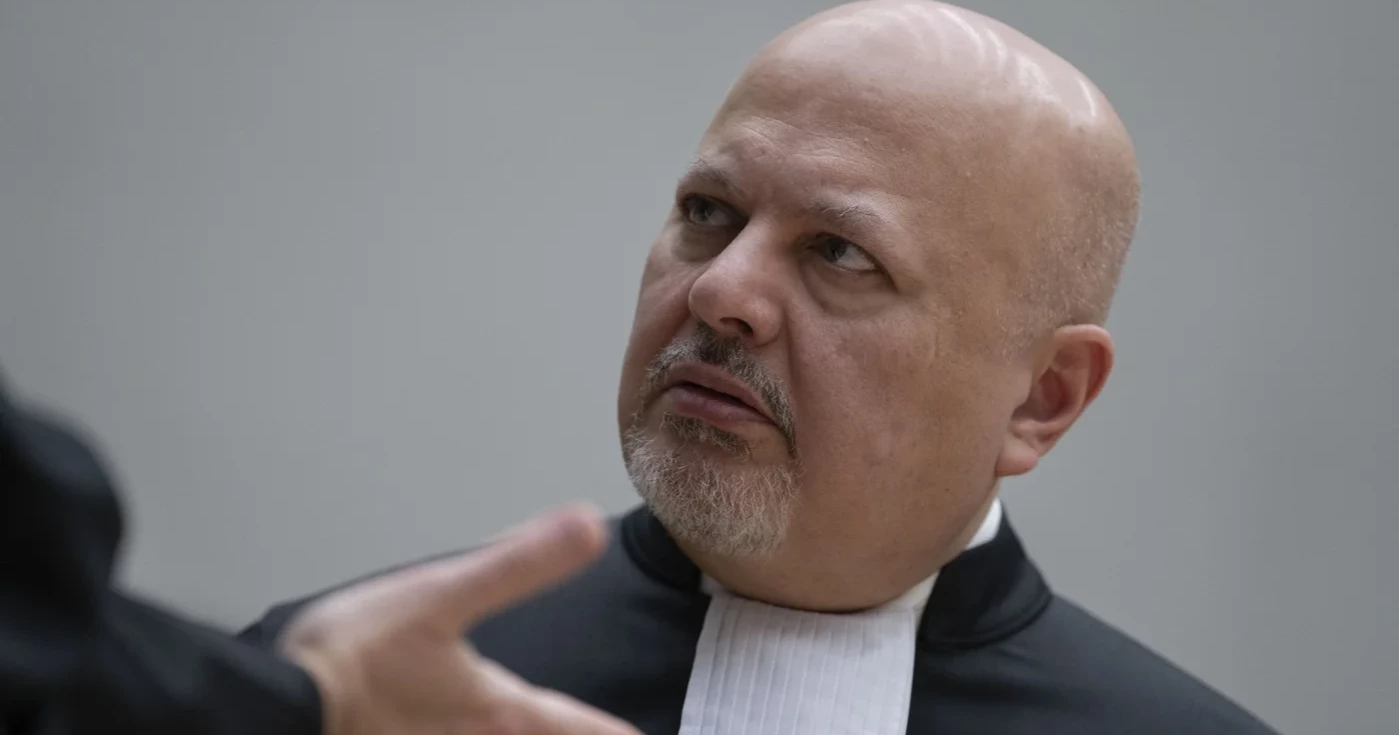
Member states of the International Criminal Court (ICC) are set to decide Friday whether to permanently remove Chief Prosecutor Karim Khan in an unprecedented vote that comes amid sexual misconduct allegations and mounting political pressure on the global tribunal.
Diplomats representing the court's 125 member states gathered at the United Nations headquarters in New York for a special session of the Assembly of States Parties (ASP), the ICC's governing body, to determine Khan's future.
The British lawyer has denied allegations of sexual misconduct involving a female aide, despite findings by the court's oversight body that he committed serious misconduct and breached his official duties.
Khan was formally suspended from his duties in June after the ICC oversight committee concluded that he had engaged in an inappropriate relationship with a staff member and later attempted to discourage her from pursuing the allegations. He has rejected those findings.
A majority vote of member states is required to remove him permanently from office.
Khan is not attending the closed-door meeting because US sanctions imposed by the Trump administration over the ICC's investigation into Israeli officials prevent him from entering the United States.
His legal team has criticized the decision to proceed in his absence, arguing that he should have the opportunity to defend himself before such a significant disciplinary decision is made.
Khan has also been suspended from practising law in the United Kingdom while the British Bar Standards Board conducts its own investigation into the allegations.
The Netherlands, which hosts the ICC in The Hague, has publicly announced that it will vote in favour of Khan's removal. No other member state has disclosed its position ahead of the secret ballot.
The disciplinary proceedings have unfolded alongside the ICC's investigation into the war in Gaza, a case that has drawn sharp criticism from several governments.
In 2024, the court issued arrest warrants for Israeli Prime Minister Benjamin Netanyahu and former Defence Minister Yoav Gallant over alleged crimes against humanity related to the conflict in Gaza, prompting sanctions by the United States against Khan and other ICC officials.
The controversy has exposed divisions within the court. Earlier this year, a group of ICC staff expressed concern over Khan's possible return, saying his leadership had been significantly weakened. Meanwhile, several Palestinian organisations accused the court's oversight body of political interference in the disciplinary process.
If Khan is removed, ICC member states will begin the process of selecting a new chief prosecutor. Until then, the prosecutor's office will continue to be led by Khan's two deputies.