The interim agreement between the United States and Iran has opened the door for further negotiations, but the most difficult issue between the two longtime rivals — Iran’s nuclear programme remains unresolved.
The deal, expected to be formally signed in Switzerland on Friday, provides a 60-day window for talks aimed at addressing Tehran’s nuclear activities. However, analysts and lawmakers from both major US political parties have expressed doubts about whether such a complex issue can be resolved within such a short timeframe.
US President Donald Trump has said preventing Iran from developing a nuclear weapon was one of the key reasons behind the military campaign launched alongside Israel earlier this year. Yet the agreement announced so far offers only a limited framework for future negotiations.
While full details of the deal have not been made public, it reportedly includes reopening the Strait of Hormuz for global oil shipments, offering Iran economic incentives if it meets certain conditions, and launching talks on its nuclear programme.
The agreement has drawn skepticism from Republican and Democratic lawmakers, pro-Israel groups and Israeli officials, many of whom question whether it is practical or capable of producing meaningful progress.
Republican Senator Lindsey Graham, a close ally of Trump, said the ultimate goal should be ending Iran’s uranium enrichment activities but acknowledged uncertainty over whether negotiators could achieve that objective.
Experts say reaching a nuclear agreement requires sustained diplomatic engagement and technical expertise.
David Schenker, a former senior State Department official during Trump’s first administration, questioned whether the current administration could maintain the focus needed to negotiate such a detailed accord.
According to Schenker, nuclear agreements demand close attention to technical details and continuous involvement from specialists, making the process difficult to complete quickly.
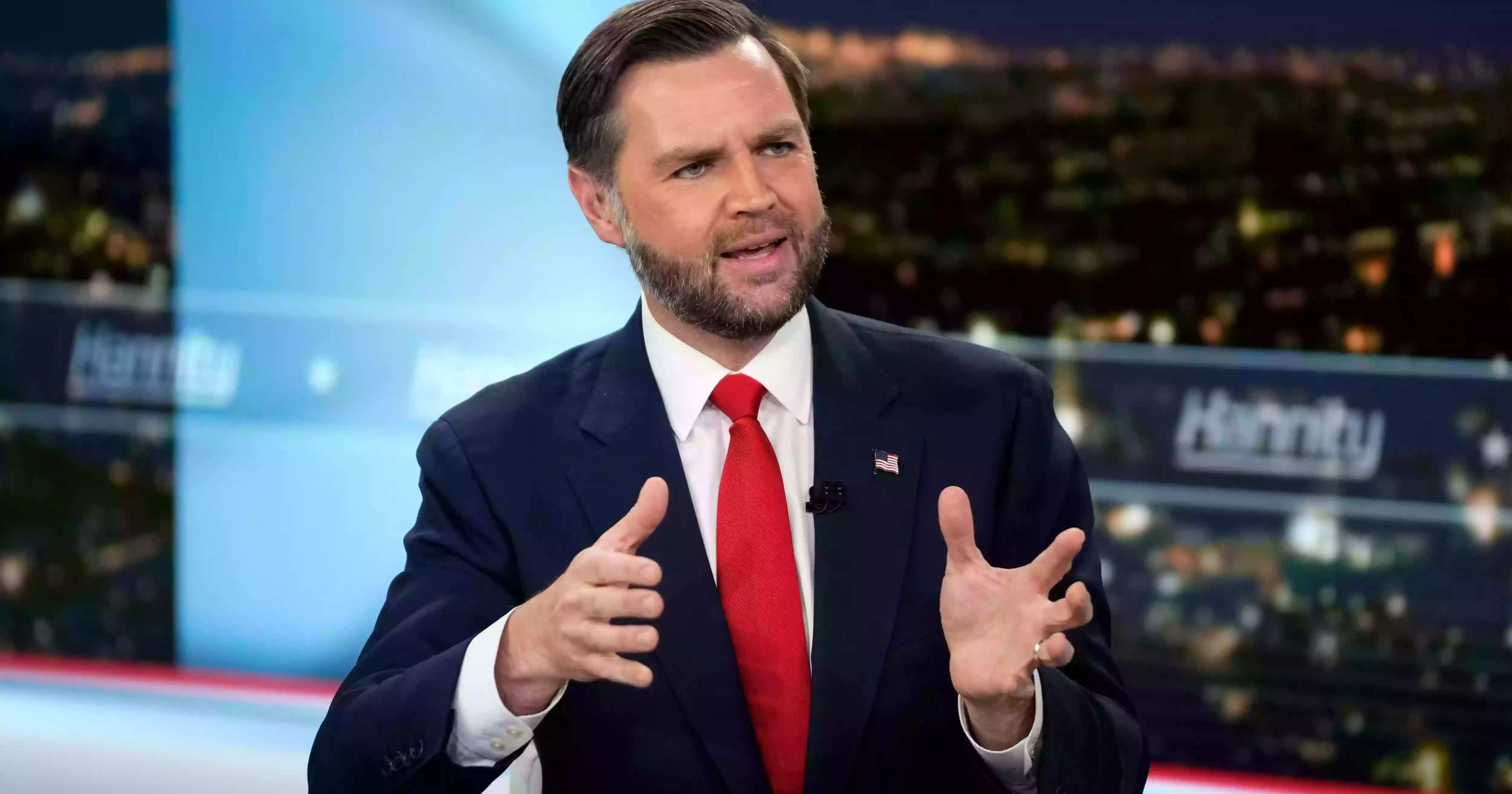
The Trump administration has defended the agreement. Vice President JD Vance said Iran would receive benefits, including possible sanctions relief, only if it took concrete steps to dismantle its nuclear weapons programme.
Vance stressed that the US would judge Iran by its actions rather than its promises, saying incentives under the agreement would be tied directly to Tehran’s compliance.
Iran has consistently maintained that its nuclear programme is intended for peaceful purposes.
Observers note that the previous landmark nuclear agreement, known as the Joint Comprehensive Plan of Action (JCPOA), took more than 18 months to negotiate before being signed in 2015.
That deal placed strict limits on Iran’s nuclear activities, including uranium enrichment and centrifuge development, in exchange for significant sanctions relief. Trump later withdrew the United States from the agreement in 2018.
Many experts argue that the complexity of the nuclear issue makes it unlikely that a comprehensive new deal can be reached within only a few months.
Several Republican senators have also insisted that any future nuclear agreement should be submitted to Congress for approval, as required under US law.
Some lawmakers believe the shorter timeline could help prevent Iran from dragging out negotiations, while others remain doubtful that Tehran would fully comply with any new agreement.
Democratic Senator Tim Kaine noted that negotiators could benefit from the groundwork laid by the Obama-era talks but acknowledged that the original agreement involved years of negotiations and extensive participation from international experts and major world powers.
Trump envoys Steve Witkoff and Jared Kushner reportedly made several attempts to secure a deal through Omani mediation during the early months of Trump’s second term, but those efforts failed to produce an agreement.
Negotiations became more complicated after US-Israeli strikes on Iranian nuclear facilities in June 2025. Pakistan later emerged as a key mediator between the two sides.
Beyond the nuclear issue, uncertainty remains over whether future talks will address Iran’s ballistic missile programme, its support for armed groups across the Middle East and concerns over human rights within the country.
Analysts say these issues could prove just as challenging as the nuclear dispute itself.
Brian Katulis, a senior fellow at the Middle East Institute, said the agreement may help reduce tensions and avoid further conflict, but argued that the military campaign against Iran did not fully achieve its stated goals.
He described the interim deal as an effort to manage the aftermath of the conflict while presenting the outcome in the most positive light possible.