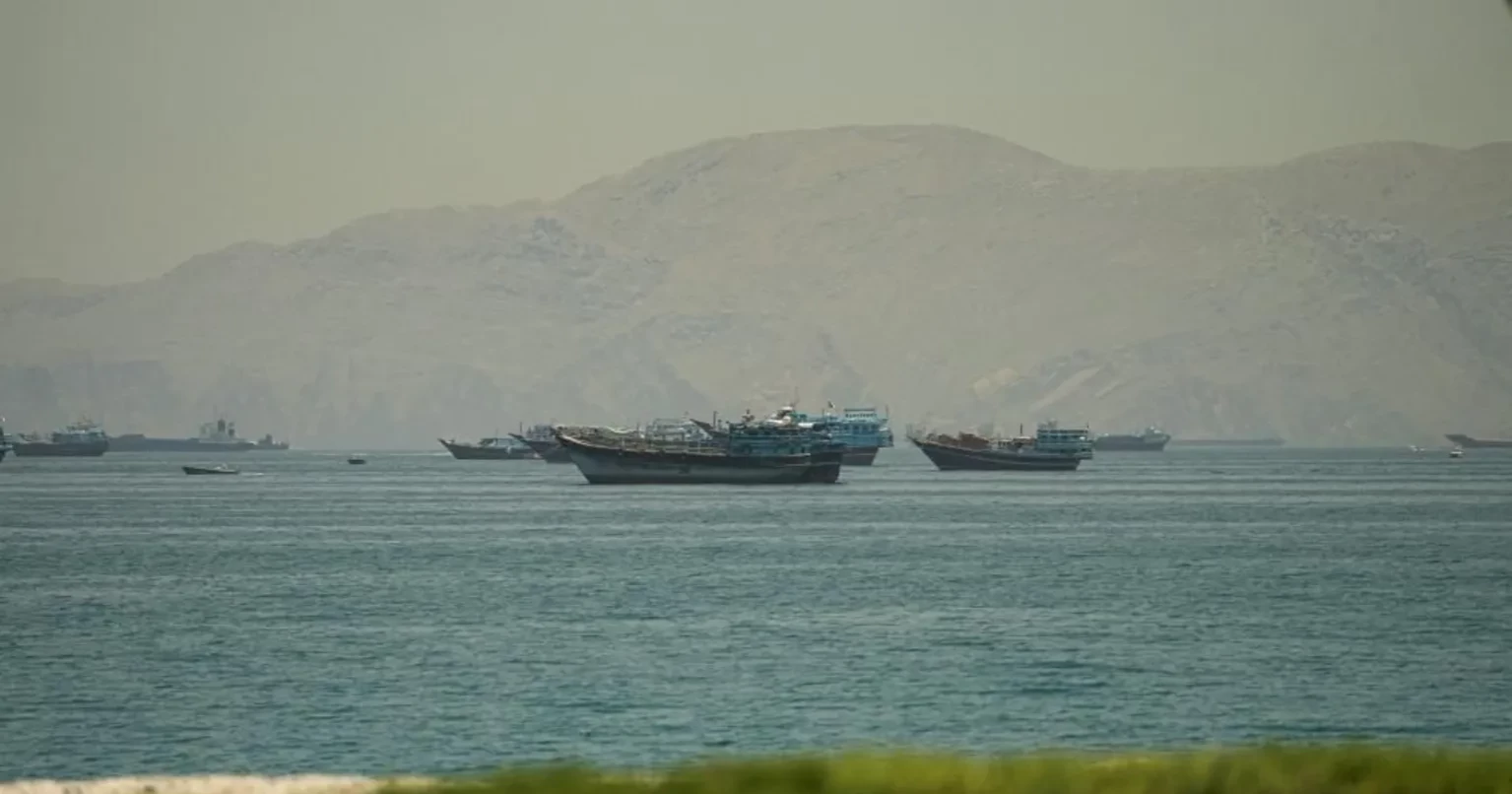
Iran has condemned fresh US air strikes in southern Iran as a “gross violation” of the ceasefire, warning that Washington will face consequences for what Tehran described as “aggressive and unjustified actions” in the Hormozgan region along the Strait of Hormuz.
The reaction came after the US Central Command (Centcom) said American forces carried out “self-defence strikes” on Monday targeting Iranian missile sites and boats allegedly attempting to place naval mines in the strategic waterway.
Iran’s foreign ministry said the Islamic Republic “will not leave any evil unanswered” and vowed to defend the country against further attacks.
According to US officials cited by American media, the strikes targeted areas near Bandar Abbas, a key southern port city and home to an Iranian naval base overlooking the Strait of Hormuz. Iranian state media earlier reported explosions in the area, while the Islamic Revolutionary Guard Corps (IRGC) later claimed it had shot down a US drone and fired on a fighter jet that entered Iranian airspace.
The latest escalation has raised uncertainty over ongoing diplomatic efforts aimed at extending the ceasefire reached on April 8 after weeks of conflict between Iran, the US and Israel.
US Secretary of State Marco Rubio said negotiations were continuing and a deal remained possible, although it could “take a few days.” Meanwhile, President Donald Trump signalled mixed messages over the talks, first suggesting an agreement was near before later urging negotiators not to rush.
US media reports said discussions are centred on a possible memorandum of understanding that could include a 60-day extension of the ceasefire, reopening the Strait of Hormuz and further negotiations over Iran’s nuclear programme.
Iran acknowledged some progress in the talks but said an agreement was “not imminent.” One of the major sticking points reportedly involves Tehran’s demand for the release of frozen Iranian funds held abroad.
The negotiations have largely been mediated by Pakistan, while Iranian officials have also been engaged in discussions with Qatari mediators in Doha. Reuters reported that Iran’s central bank governor joined Monday’s meetings, where talks focused on frozen assets, Iran’s stockpile of highly enriched uranium and the future of the Strait of Hormuz.
Iran has restricted access through the crucial shipping route since the conflict began on February 28. The Strait of Hormuz carries around one-fifth of the world’s oil supply, and disruptions there have contributed to rising global energy prices.
The US, Israel and Western allies accuse Iran of enriching uranium to develop nuclear weapons, an allegation Tehran denies, insisting its nuclear activities are solely for peaceful purposes.
Source: BBC