
Iranian missiles struck two southern Israeli communities late Saturday, injuring dozens and damaging multiple buildings near the country’s main nuclear research facility, as the United States threatened fresh attacks if Iran does not reopen the Strait of Hormuz.
The escalation marks a dangerous turn in the conflict, now entering its fourth week, amid rising global concern over energy security and regional stability.
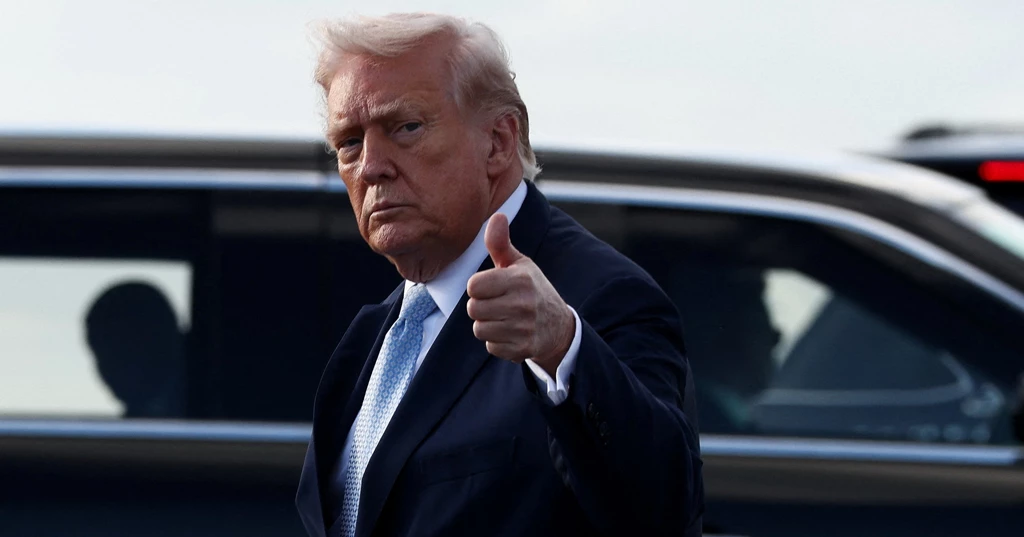
US President Donald Trump warned that Washington would target Iranian power plants within 48 hours if Tehran fails to ensure free passage through the vital shipping lane. The ultimatum comes as oil and gas prices surge due to disruptions in maritime transport.
Iran responded by warning that any attack on its energy infrastructure would trigger strikes on US and Israeli assets across the region, according to statements carried by state-linked media.
The Strait of Hormuz, a key route for global oil shipments, has seen near-total disruption following attacks on commercial vessels and heightened security risks, forcing producers to cut output.
Israeli authorities said missiles hit the southern cities of Dimona and Arad, marking the first reported breach of air defence systems near the sensitive nuclear zone in the Negev desert. At least 64 people were hospitalised, with several residential buildings heavily damaged.
The strikes followed an earlier attack on Iran’s Natanz nuclear facility, though Israel denied responsibility. No radiation leak was reported, according to Iranian authorities and international monitors.
Military officials indicated the conflict is intensifying, with Iran also attempting a long-range strike targeting a joint US-UK military base in Diego Garcia, though the attack was unsuccessful.
The war has expanded beyond immediate battlegrounds, affecting global energy supplies and pushing up fuel and food prices worldwide.
International pressure is mounting to restore safe navigation through the Strait of Hormuz, with multiple countries expressing readiness to support efforts to secure the route.
Meanwhile, the US is reinforcing its military presence in the region, deploying additional naval assets and troops, as hostilities continue across multiple fronts, including clashes between Israeli forces and Hezbollah fighters in southern Lebanon.
Casualty figures continue to rise, with Iran reporting more than 1,500 deaths and Israel confirming multiple deaths from missile attacks, alongside casualties among US forces and civilians in Gulf countries.