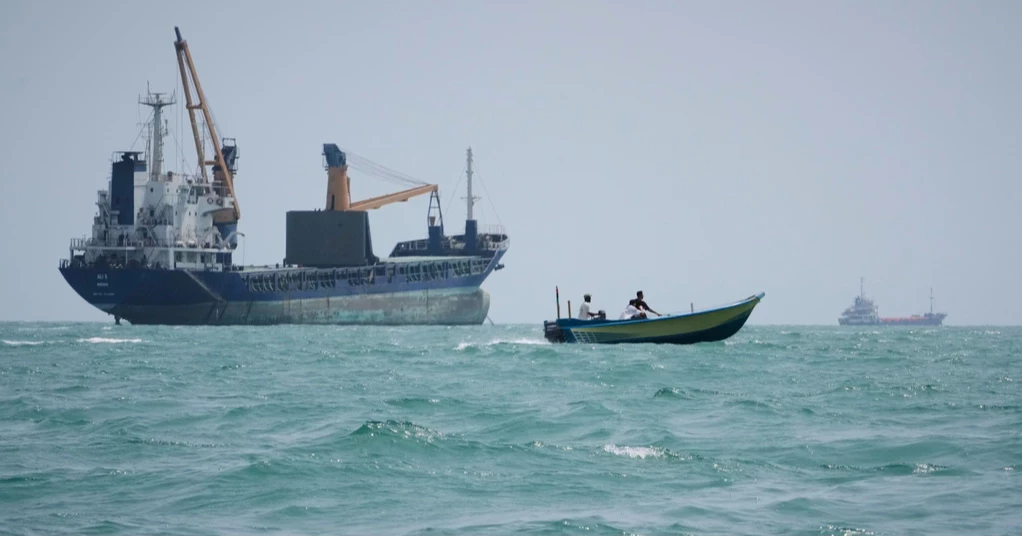
Iran’s latest diplomatic effort to end its seven-month war with the United States and reopen the Strait of Hormuz has been rejected by President Donald Trump, leaving negotiations uncertain despite recent indirect talks between the two sides.
Iranian President Masoud Pezeshkian and Foreign Minister Abbas Araghchi visited New York for the UN gathering of world leaders and proposed an agreement under which the Strait of Hormuz would be reopened within seven days.
Tehran’s proposal called for the United States to lift its military blockade of Iranian ports, release frozen Iranian assets and waive sanctions on Iranian oil sales, among other conditions.
The demands largely mirror terms included in a June agreement that collapsed only days after it was signed. The latest proposal differs mainly in its accelerated timeline and reportedly suggested that a quick agreement could benefit Trump in the November midterm elections.
Trump said Saturday that he had rejected Iran’s proposal to reopen the strategic waterway. Earlier, he posted an image on social media referring to the Strait of Hormuz as the “Trump Strait.”
The developments came as both countries face mounting economic pressure from the prolonged conflict.
First indirect talks in months
US and Iranian representatives held about three hours of indirect discussions through mediators on Tuesday, marking their first such talks in months.
The talks followed the collapse of a previous agreement aimed at ending the fighting and starting negotiations over Iran’s nuclear program.
Secretary of State Marco Rubio said Wednesday that the discussions had been positive and that Washington was willing to continue talking.
However, Trump used his speech to world leaders at the United Nations on Tuesday to threaten to “annihilate” Iran.
Pezeshkian, speaking a day later, said Iran would continue fighting “until our last breath,” while also indicating at the end of his address that Tehran remained open to diplomacy.
Tehran outlines new proposal
Iran’s foreign minister presented the latest proposal during a private meeting Thursday on the sidelines of the UN gathering.
Opening the Strait of Hormuz, which Iran moved to control after being attacked by the United States and Israel, could ease pressure on international markets and reduce risks for US military forces escorting commercial vessels through the waterway.
For Tehran, lifting the US naval blockade and removing restrictions on oil exports would provide an opportunity to increase crude shipments and ease economic difficulties as Iran’s currency has fallen to record lows and inflation has surged.
Pezeshkian also met Qatar’s prime minister early Friday. Qatar has been acting as a mediator in the indirect negotiations.
“The choice now rests with the United States,” Araghchi told reporters Friday evening.
The White House said earlier Saturday that US officials were engaged in positive and constructive discussions with mediators.
Both sides weigh costs
Iran has also held extended discussions with Oman, located across the Strait of Hormuz, on managing shipping through the waterway.
Analysts said Tehran’s latest push for an agreement with Washington appears to reflect concern about the political and economic consequences of the conflict, including the approaching US midterm elections.
Trump, however, has repeatedly indicated that he is not in a hurry to reach a deal while US sanctions continue to pressure Iran’s economy.
Trump said Saturday that Iran was seeking an agreement because it was “losing so badly.”
“They want to make a deal and I think that’s fine,” Trump told reporters outside the White House. “I’d like to make a deal, too. But that deal would not be acceptable.”
Danny Citrinowicz, a senior researcher at Israel’s Institute for National Security Studies, said Washington could believe that maintaining pressure until the November elections would serve its interests, while Tehran could reach the opposite conclusion.
Trump’s rejection of the proposal raises the possibility of renewed fighting, which could push oil prices higher.
There was no immediate indication Saturday that Araghchi had left New York. Meanwhile, Iranian security forces have warned that they still have targets to strike, suggesting that the military confrontation remains unresolved.