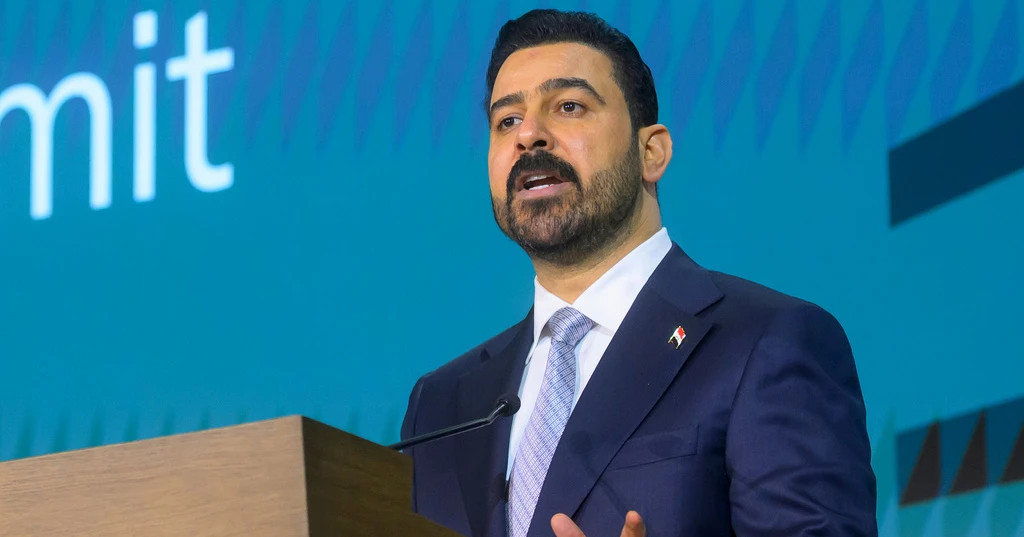
Iraqi Prime Minister Ali al-Zaidi arrived in Turkey on Tuesday for high-level talks with President Recep Tayyip Erdogan, with discussions expected to focus on a proposed oil pipeline, security cooperation and broader bilateral ties.
According to Turkish officials, the leaders are set to discuss energy, trade, transportation, water management and regional security, while the Iraqi prime minister’s office said the meeting would also explore joint infrastructure projects aimed at strengthening cooperation between the two neighboring countries.
A key topic is a proposed pipeline linking Iraq’s southern oil hub of Basra to Haditha in western Iraq and onward to Turkey’s Mediterranean port of Ceyhan, with a further connection to Syria’s Baniyas port. The project is intended to reduce Iraq’s dependence on Gulf shipping routes, which remain vulnerable to regional tensions.
Al-Zaidi’s visit follows recent trips to Washington and Tehran. During his meeting with US President Donald Trump earlier this month, US companies signed agreements worth about $60 billion with Iraq, including energy and infrastructure projects designed to diversify the country’s oil export routes.
Security issues are also expected to feature prominently in the Ankara talks as Turkey continues efforts to end its decades-long conflict with the outlawed Kurdistan Workers’ Party (PKK), whose fighters have long been based in northern Iraq.
The PKK announced last year that it would disband and lay down its arms as part of an ongoing peace process. Turkey is preparing legislation that could include limited amnesty measures for some militants seeking to return home. The PKK has fought an insurgency against the Turkish state since 1984 and is designated a terrorist organization by Turkey, the United States and the European Union.
Following his Turkey visit, Al-Zaidi is scheduled to travel to Saudi Arabia on Thursday amid heightened regional tensions after Riyadh accused Iran-backed Iraqi militias of launching drone attacks against the kingdom.
The Iraqi leader has pledged to disarm non-state armed groups by the end of September, although analysts view the target as difficult given resistance from several powerful militias.
On Monday, Al-Zaidi ordered an investigation into the alleged drone attacks, reaffirming Iraq’s commitment to ensuring its territory is not used to launch attacks against neighboring countries.
The accused militias denied involvement, while the Islamic Resistance in Iraq, an umbrella group of Iran-backed factions, dismissed the Saudi allegations as fabricated and suggested the attacks were carried out by Yemen’s Houthi rebels. The group also warned that any Saudi retaliation would provoke a strong response.