Russia's new jet-powered drones are challenging Ukraine's air defenses by flying at speeds of hundreds of kilometers per hour, leaving crews only seconds to detect and intercept them.
As more drones reach Kyiv, Ukrainian defense companies are racing to develop faster interceptors using new propulsion systems and artificial intelligence. The urgency has grown as Russia increases attacks on infrastructure supporting Ukraine's war-hit economy, including energy facilities, railways, telecommunications networks, industries, gas stations and grain exports.
Russia's ballistic missiles are another concern as Ukraine faces shortages of interceptor missiles.
Kyiv is increasingly experiencing conditions similar to a front-line city, with explosions heard day and night and residents seeking shelter from attacks. Ukrainian officials say new interceptors have successfully hit some jet-powered drones, which fly higher and faster than conventional propeller-driven models.
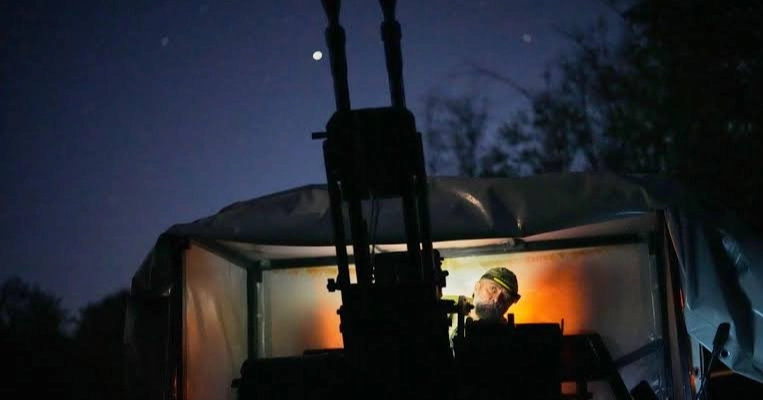
Volodymyr Serdiuk, commander of an air-defense unit, said the drones move so quickly that crews often cannot properly lock onto them.
His team begins its night shift at 8 p.m., monitoring radar and using heavy machine guns and other weapons. But the drones often fly too high and fast to be effectively targeted.
Ukraine also uses electronic warfare and artificial intelligence to guide drones into narrower flight paths, giving interceptors a better chance of reaching them. However, the fastest Ukrainian interceptors generally travel at 300 to 400 kph, making it difficult to counter the newest Shahed-type drones.
Ukrainian crews are training with a new interceptor designed to reach higher speeds while preventing its batteries from overheating. F-16 fighter jets can also intercept the fastest drones, but many require maintenance.
Meanwhile, Ukrainian defense manufacturers are working to expand interceptor production. Oleksii Babenko, CEO of Vyriy Drones, said companies are developing faster interceptors, new propulsion systems and autonomous guidance technology.
He estimated that scaling up production could take three to four months, while military analyst Taras Chmut said it could take six months or longer.