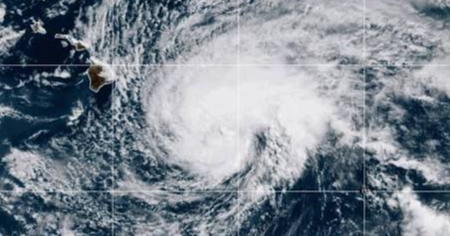
Tropical Storm Lala is forecast to strengthen into a hurricane before reaching Hawaii’s Big Island this weekend, potentially bringing torrential rain, damaging winds, flooding and increased wildfire risks.
The National Hurricane Center said Lala could reach hurricane strength as it nears the Big Island early Saturday. If the storm makes landfall, it would mark the island’s first hurricane landfall since 1871, when a Category 3 hurricane struck its northeastern area.
A hurricane warning has been issued for the Big Island, while Maui County—including Maui, Molokai, Lanai and Kahoolawe—is under a tropical storm warning. Authorities have prepared shelters and canceled several events as residents brace for the storm.
Forecasters expect 8 to 12 inches of rain across Maui and the Big Island, with some parts of the Big Island potentially receiving up to 25 inches. Other islands could see 4 to 6 inches. Officials warned of life-threatening flooding, mudslides, storm surge, dangerous surf and rip currents.
State Rep. Jeanné Kapela urged residents, particularly those living in rural and remote areas, to take the threat seriously and move to safer locations before conditions worsen. She expressed concern for people living in off-grid or unauthorized structures in southern areas of the Big Island.
Farmers are also worried about the possibility of heavy rainfall arriving in a short period, especially those still recovering from severe flooding earlier in the year. Coffee and cattle operations in rural parts of the island could face additional damage.
Strong winds may also increase wildfire concerns. Although no red flag warnings were in effect Friday, officials said the dry and windy conditions could still create dangerous fire conditions. Residents remain especially alert after the devastating 2023 Lahaina wildfire, which occurred during powerful winds associated with a hurricane passing south of Hawaii.
By Friday afternoon, Lala was about 275 miles east-southeast of South Point on the Big Island. The storm had sustained winds of around 65 mph and was moving west-northwest at approximately 14 mph. A Category 1 hurricane requires sustained winds of at least 74 mph.
University of Hawaii professor Steven Businger, whose research identified historical evidence of the 1871 hurricane, advised residents not to panic but to remain prepared. He said Lala could still produce damaging winds, although forecasts had been shifting the storm’s path farther south.
The Big Island is particularly vulnerable because of its position at the southeastern end of the Hawaiian island chain. Historically, however, Kauai has experienced more hurricane landfalls. In 1992, Hurricane Iniki struck Kauai as a Category 4 storm. That year, like the current year, was influenced by El Niño, a Pacific warming pattern associated with increased hurricane activity.