Ukraine and Russia have expressed willingness to resume US-mediated peace negotiations and supported a humanitarian initiative led by US First Lady Melania Trump, but unresolved disputes over territory and security guarantees continue to hinder efforts to end the war.
The diplomatic push comes after more than four and a half years of fighting. On Friday, Kyiv and Moscow announced a local ceasefire to allow humanitarian aid to reach a stranded town in Ukraine’s divided southern Kherson region next week, following secret consultations involving Melania Trump and civilian negotiators from both countries.
The move raised hopes for further humanitarian efforts, but there were few signs of a shift in the two sides’ positions. Russia continues to demand territory it does not fully control, while Ukraine insists on firm guarantees against another invasion.
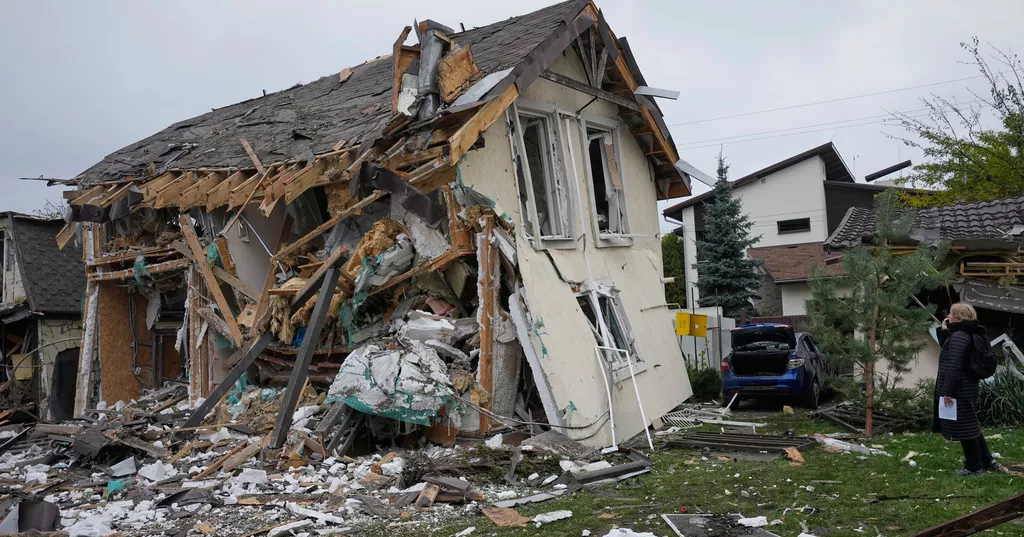
Within hours of Russian President Vladimir Putin agreeing “in principle” to restart talks, Russia launched deadly ballistic missile and drone attacks on Kyiv. Moscow also claimed to have destroyed more than 800 Ukrainian drones heading towards Russian cities.
US presidential envoy Steve Witkoff secured the latest commitment after meeting Ukrainian President Volodymyr Zelenskyy and Putin during visits to Oslo and St Petersburg. The next round of talks, the fourth under the Trump administration, is expected to take place in Abu Dhabi around mid-November, according to the Kremlin. The previous round was held in Geneva in February.
Relations between US President Donald Trump and Zelenskyy have deteriorated, while Moscow has benefited from a US deal to buy Russian diesel and Trump’s rejection of new sanctions against Russia. Kyiv has also faced disruptions to satellite support for its drones after rejecting Trump’s call to halt attacks on Russian oil infrastructure.
Meanwhile, Witkoff secured the release of an American imprisoned in Russia for more than four years on charges of fighting as a mercenary in Ukraine. His description of Putin as a “humanitarian” drew criticism in Ukraine.
Territory remains a major obstacle
Russia demands control of four Ukrainian regions it annexed in 2022 Donetsk, Luhansk, Zaporizhzhia and Kherson as well as Crimea, seized in 2014. Moscow occupies about 20% of Ukraine but has not captured all the territory it claims.
The Kremlin also wants Ukraine to withdraw from the four regions, abandon its NATO ambitions, reduce its military and lift restrictions on the Russian language and a Moscow-linked Orthodox Church branch.
Putin said Thursday that Russia remained ready to negotiate but insisted that all objectives of what Moscow calls its “special military operation” would be achieved.
Zelenskyy argues that surrendering territory would leave Ukraine exposed to future attacks. He supports a ceasefire freezing current front-line positions, followed by negotiations, while Moscow rejects a halt to fighting before a comprehensive settlement is reached.
Security guarantees unresolved
Previous discussions have failed to resolve how Ukraine would be protected after a peace deal. Kyiv considers Western-backed security guarantees essential and wants to maintain a strong military supported by its allies. NATO membership remains its preferred option, but Putin opposes it and the US administration has ruled it out for now.
Other proposals include direct US guarantees in an “Article 5-like format” and support from the European-led 30-country Coalition of the Willing. NATO’s Article 5 treats an attack on one member as an attack on all.
“All of these guarantees are possible on the basis of a strong Ukrainian army — in terms of both numbers and quality with clear funding, and not a small amount. Our colleagues in Europe and America know this,” Zelenskyy told reporters Thursday.
Following this week’s attacks on Kyiv and other cities, Zelenskyy called for greater Western pressure on Moscow to change its approach to negotiations.
“It is important to keep trying to find the right solutions to end this war,” he wrote online. “But when Russia responds to negotiations with ballistic missiles, real pressure on Russia is needed to bring about different steps steps toward ending the killing.”