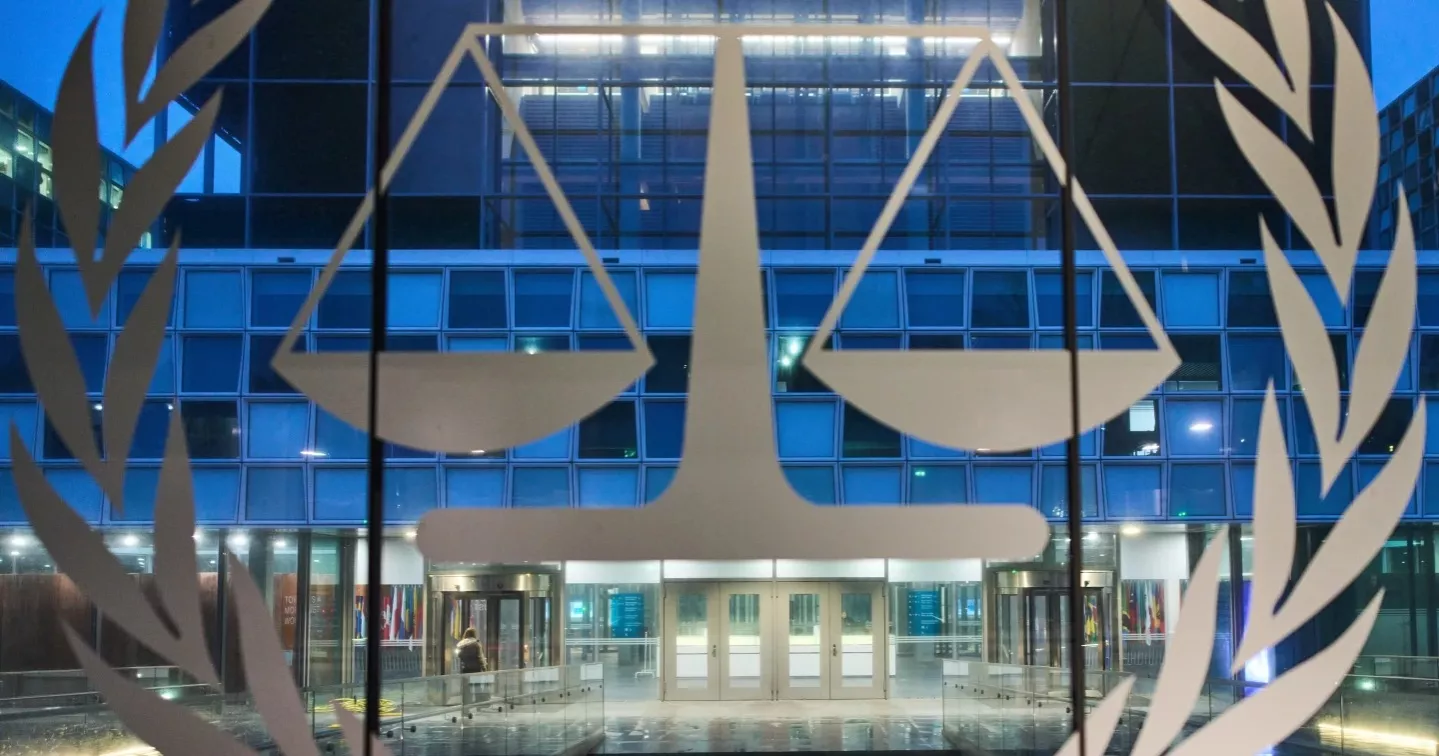
The Trump administration has imposed sweeping sanctions on the International Criminal Court (ICC), escalating its campaign to dismantle the tribunal over investigations involving the United States and its allies, including Israel.
Secretary of State Marco Rubio announced the measures on Friday, following the Nobel Peace Prize award to South African jurist Navi Pillay, a former judge at the ICC and other international courts. US President Donald Trump has long sought the prize.
The sanctions cut the court off from US financial services, technology firms and dollar transactions, giving American companies and individuals six months to end their business dealings with the tribunal.
Rubio called the ICC illegitimate and warned that Washington would continue efforts to dismantle it unless Americans were no longer threatened.
The court condemned the measures as an attack on the rule of law and international legal order. Its President Tomoko Akane vowed to continue working independently and impartially, urging member states to defend the institution.
Amnesty International also denounced the sanctions, urging countries to take concrete steps to protect the court.
The Netherlands has discussed activating the European Union's blocking statute to shield European court staff and businesses from the US measures.
Canada, Denmark, Germany, France, Italy, Japan, the Netherlands and the United Kingdom jointly rejected the sanctions, warning they could seriously affect court operations, staff and their families.
Several countries, including Venezuela, Chad and Naoero, have announced plans to leave the ICC this year.