
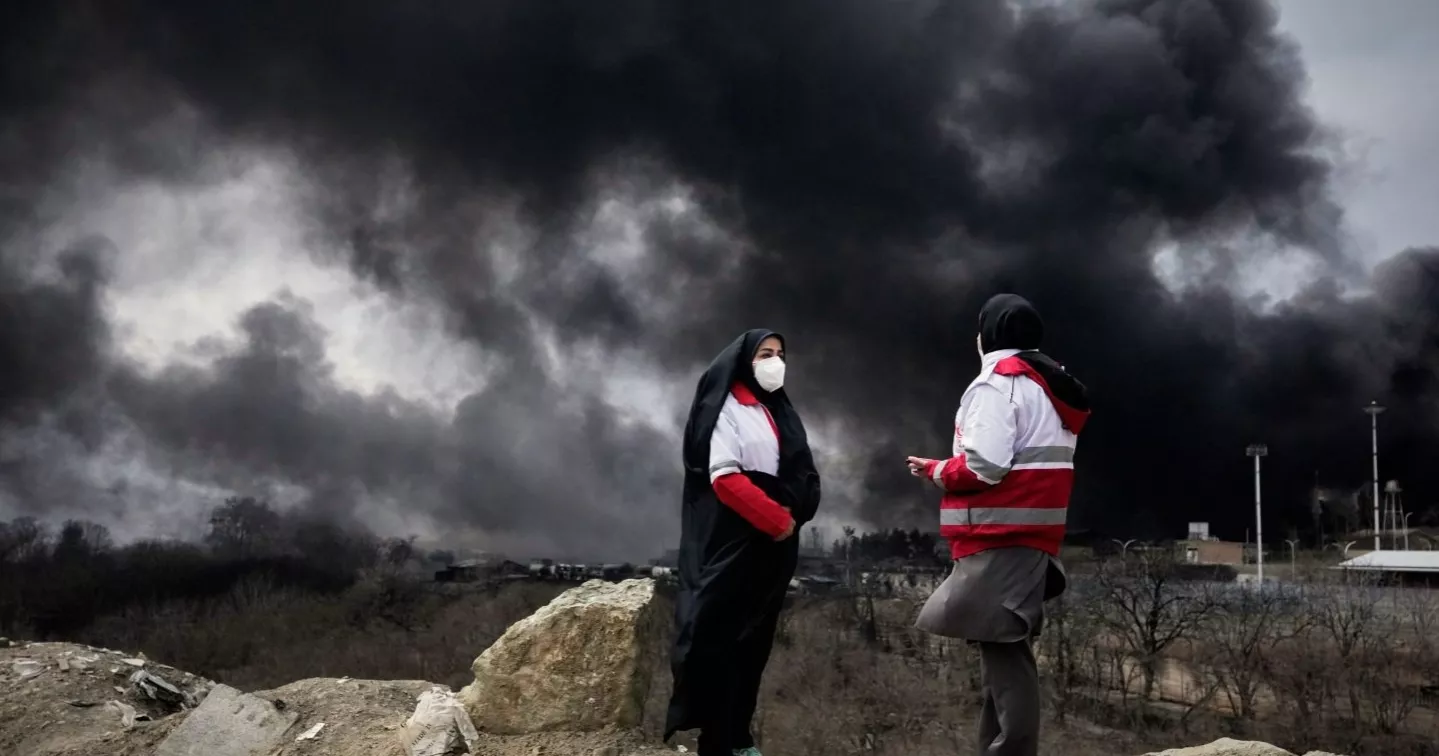
As missiles and drones disrupt energy production in the Persian Gulf, analysts warn that water, not oil, may be the region’s most vulnerable resource.
On Sunday, Bahrain accused Iran of damaging a desalination plant, while Tehran said a U.S. airstrike hit one of its facilities. Hundreds of desalination plants line the Gulf coast, supplying millions in cities across Kuwait, Oman, and Saudi Arabia—where up to 90% of drinking water comes from these systems. Without them, urban populations could not be sustained.
Desalination plants, often paired with power stations, are vulnerable to attacks on energy infrastructure. Experts say any disruption—whether from missiles, drones, or cyberattacks—can cascade across interconnected systems. “Each of these critical plants is extremely vulnerable to sabotage or military action,” noted David Michel of the Center for Strategic and International Studies.
The war, which began Feb. 28 with U.S. and Israeli strikes on Iran, has already brought conflict near key facilities. Iranian strikes hit Dubai’s Jebel Ali port near one of the city’s largest plants, while damage was reported at Kuwait’s Doha West facility and the UAE’s Fujairah F1 complex.
The threat echoes past conflicts. During Iraq’s 1990-91 invasion of Kuwait, retreating forces sabotaged desalination and power plants, leaving the country largely without freshwater. Smaller Gulf states like Bahrain and Qatar have fewer backup supplies, heightening the risk of national crises.
Climate change adds another layer of vulnerability. Rising temperatures, cyclones, and rising seas can overwhelm coastal plants, while desalination itself produces high carbon emissions and environmental byproducts.
Iran, facing extreme drought, also struggles with water scarcity. Tehran’s reservoirs dropped to 10% capacity, prompting evacuation warnings, though most of Iran’s water comes from rivers and underground aquifers rather than desalination.
Experts warn that ongoing war, combined with existing water shortages and fragile infrastructure, could trigger severe humanitarian crises across the Gulf.