Today marks the 51st anniversary of the assassination of Bangabandhu Sheikh Mujibur Rahman, the country's then-president, on August 15, 1975.
After being observed as National Mourning Day under successive Awami League governments, for three consecutive years since the July Uprising, the day is bereft of any state-led initiative to mark the massacre of Mujib and most members of his family by a section of disgruntled army officers.
With the ban on the Awami League’s activities implemented under the interim government last year still in place, there are no visible major political programmes either to mark the day, following the fall of the government led by his daughter Sheikh Hasina in a mass uprising.
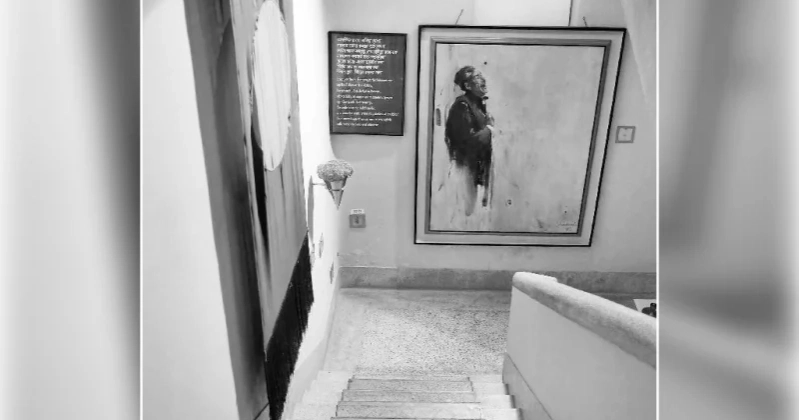
Sheikh Mujibur Rahman, the country’s founding leader and a central figure in Bangladesh’s independence struggle, was assassinated along with most of his family members in the early hours of August 15, 1975, in a military-led coup.
The changed political landscape in light of the July Uprising has also pushed a reassessment of Mujib's leadership, particularly the post-independence government he led from 1972 till the day of his assassination.
The interim government in 2024 cancelled the public holiday on August 15. The BNP government that came to power in February this year has retained the decision.
Eighteen members of Mujib's family including his wife Sheikh Fazilatunnesa Mujib, three sons -- Captain Sheikh Kamal, Lt Sheikh Jamal and Sheikh Russell--, two daughters-in-law -- Sultana Kamal and Rosy Jamal --, were killed on that night.
His brother Sheikh Naser, peasant leader Abdur Rab Serniabat, youth leader Sheikh Fazlul Haq Moni and his wife Arzu Moni, as well as several other members of the extended family, were also killed.
His two daughters – former prime minister Sheikh Hasina and Sheikh Rehana -- survived the massacre as they were abroad at that time.
Sheikh Hasina is now in India after the fall of her government.
The International Crimes Tribunal-1 (ICT-1) November 17 in 2025 convicted and sentenced Sheikh Hasina to death in a case concerning crimes against humanity committed during 2024 July-August uprising, which claimed over1,000 lives. She also faces hundreds of cases.
Bangladesh has formally requested Hasina's extradition but so far India has shown no willingness to comply.
In May 2025, the interim government prohibited all activities of the Awami League and its affiliated and like-minded organisations until the ICT concludes the trial against their leaders and activists.
Many senior party leaders are in hiding, while others have been arrested and are in custody.
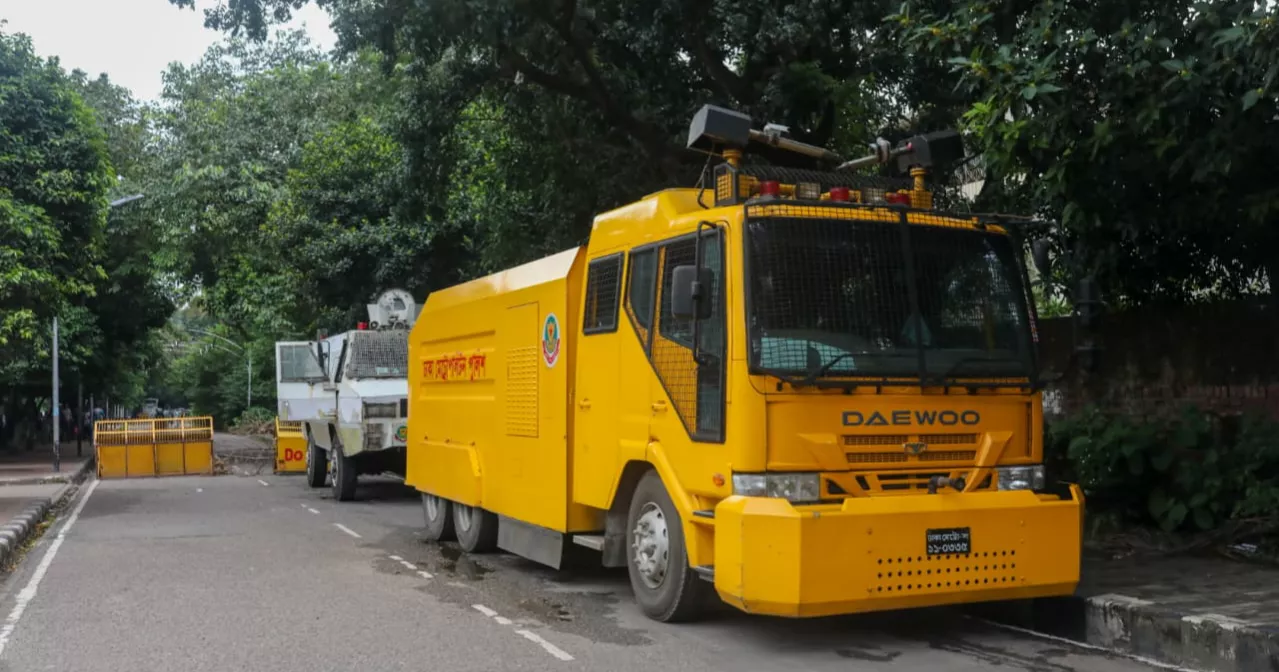
Authorities have imposed heightened security across Dhaka ahead of August 15, citing the need to maintain law and order and ensure public safety.
The Dhaka Metropolitan Police has strengthened checkpoints and search operations at the capital’s entry points. Detective Branch and Counter Terrorism and Transnational Crime units have been deployed for operational duties.
SWAT, bomb disposal and K-9 teams are conducting security sweeps at important locations and public gathering sites. Key installations are under special security arrangements, with surveillance through CCTV cameras and drones.
Additional security personnel have been assigned to metro rail stations, bus and launch terminals, railway stations, shopping malls, event venues and other sensitive locations. Quick Response Teams have also been kept ready to respond to emergencies.
Police arrested 53 leaders and activists of the Awami League and its affiliated organisations from a flat in Bashundhara Residential Area around 9:05pm on Thursday, said Additional Deputy Commissioner (Media) Niaz Mehedi of the Dhaka Metropolitan Police (DMP).
He said the leaders and activists of the Awami League, which faces a ban on its activities, gathered at the flat to hold a preparatory meeting and organise a flash procession on the occasion of August 15.
Political tensions surrounding Sheikh Hasina have also added sensitivity to this year’s anniversary.
During a news conference in New Delhi on August 5, marking two years since her government fell, Sheikh Hasina said she planned to return to Bangladesh in December. She has also said in interviews that she could return with party leaders and surrender before the courts.
The Bangladesh government has repeatedly urged India to extradite her under the two countries’ existing extradition arrangements. India has yet to respond positively to those requests.