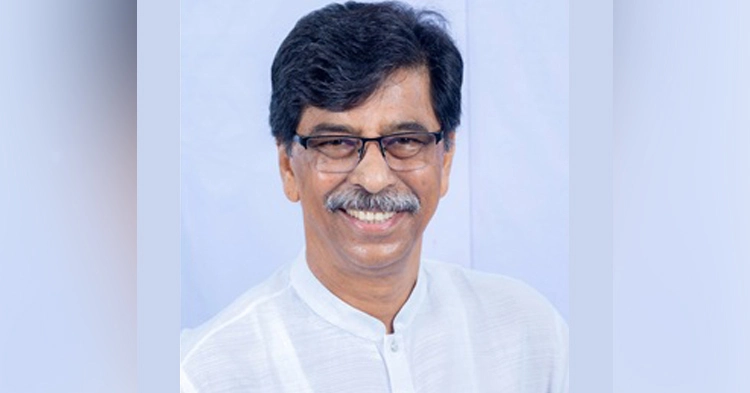
Fisheries and Livestock Minister Mohammed Aminur Rashid on Tuesday told Parliament that the country has the capacity to produce more than 1.55 crore tonnes of liquid milk annually against an annual demand of 1.62 crore tonnes.
“Currently, the liquid milk production capacity is 1,55,38,000 tonnes in the country. The annual demand for liquid milk is 1,62,33,000 tonnes,” he said, while replying to a question from ruling party lawmaker Md Abul Kalam (Cumilla-9) in the House.
Replying to another question from opposition Bangladesh Jamaat-e-Islami lawmaker Md Abu Taleb (Jhenaidah-4), the minister said the government is updating the national database of fishermen through a verification process, saying the country has now 1,803,565 registered fishermen.
He also said the government plans to restore abandoned and derelict haors, baors and other water bodies and bring them under fish cultivation.
Aminur added that the Department of Fisheries has prepared a Development Project Proposal (DPP) for a community-based fisheries resource management project in selected baor areas.
153 unions out of 215 declared as water-scarce in Barind region: Anee
Meanwhile, Water Resources Minister Shahiduddin Chowdhury Anee informed the House that most of the unions in the Barind region have been declared as the critical areas for water scarcity.
He said there are 215 unions in 25 upazilas in three Barind districts --Chapainawabganj, Naogaon and Rajshahi. Of them, 153 unions have been declared as water-scarce areas, he said.
The minister said this while replying to a question from treasury bench member Khairul Kabir Khokon (Narsingdi-1).
Of the 153 water-scarce unions, 47 have been classified as severely water-stressed, 40 as highly water-stressed and 66 as moderately water-stressed, he said.
Anee said the government is implementing plans to reduce dependence on groundwater by promoting alternative water sources.
The initiatives include continued identification of water-scarce areas, aquifer mapping and the use of modern technology to determine groundwater reserves, quality and safe extraction limits, he added.