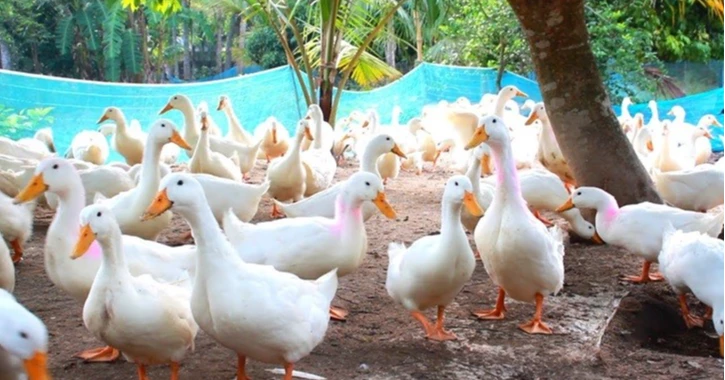
Researchers at Bangladesh Agricultural University (BAU) have developed a low-cost duck plague vaccine using a locally isolated strain of the virus, a breakthrough that could significantly reduce losses in the country's duck farming sector.
The lead researcher, Prof Dr Md Bahanur Rahman, dean of the Faculty of Veterinary Science and a Syndicate member of BAU, confirmed the development to UNB on Monday.
He said duck plague is a highly contagious viral disease with a mortality rate ranging from 40 percent to 100 percent in infected ducks.
Prof Bahanur said the research initially focused on developing an attenuated vaccine.
However, following a request from the Department of Livestock Services (DLS), the team also worked on inactivated and DNA vaccines. While the inactivated vaccine did not produce the expected results, the DNA and oral vaccine candidates have shown promising outcomes.
According to the lead researcher, the vaccine is currently awaiting field trials. Once all the required procedures are completed, it could be made available to farmers within the next one to one-and-a-half years.
He expressed hope that the newly developed vaccine will provide more than 90 percent protection against duck plague and, through the DLS, contribute to improving the country's duck farming sector.
Prof Dr Md Samsul Alam, coordinator of the Committee for Advanced Studies and Research (CASR) at BAU, said treatment is often ineffective once ducks are infected with the viral disease, making vaccination the most effective preventive measure.
He said the development of the low-cost vaccine using a local duck plague virus marks a significant milestone, continuing the long-standing vaccine research tradition of BAU's Department of Microbiology and Hygiene.
Samsul added that the vaccine's effectiveness could be further improved in the future by addressing the evolving characteristics of the virus.