The Cabinet on Monday cleared the draft of the Enforced Disappearance Prevention and Redress Act, 2026 with a view to introducing a comprehensive legal framework to criminalise enforced disappearances, ensure justice, compensation and rehabilitation for victims.
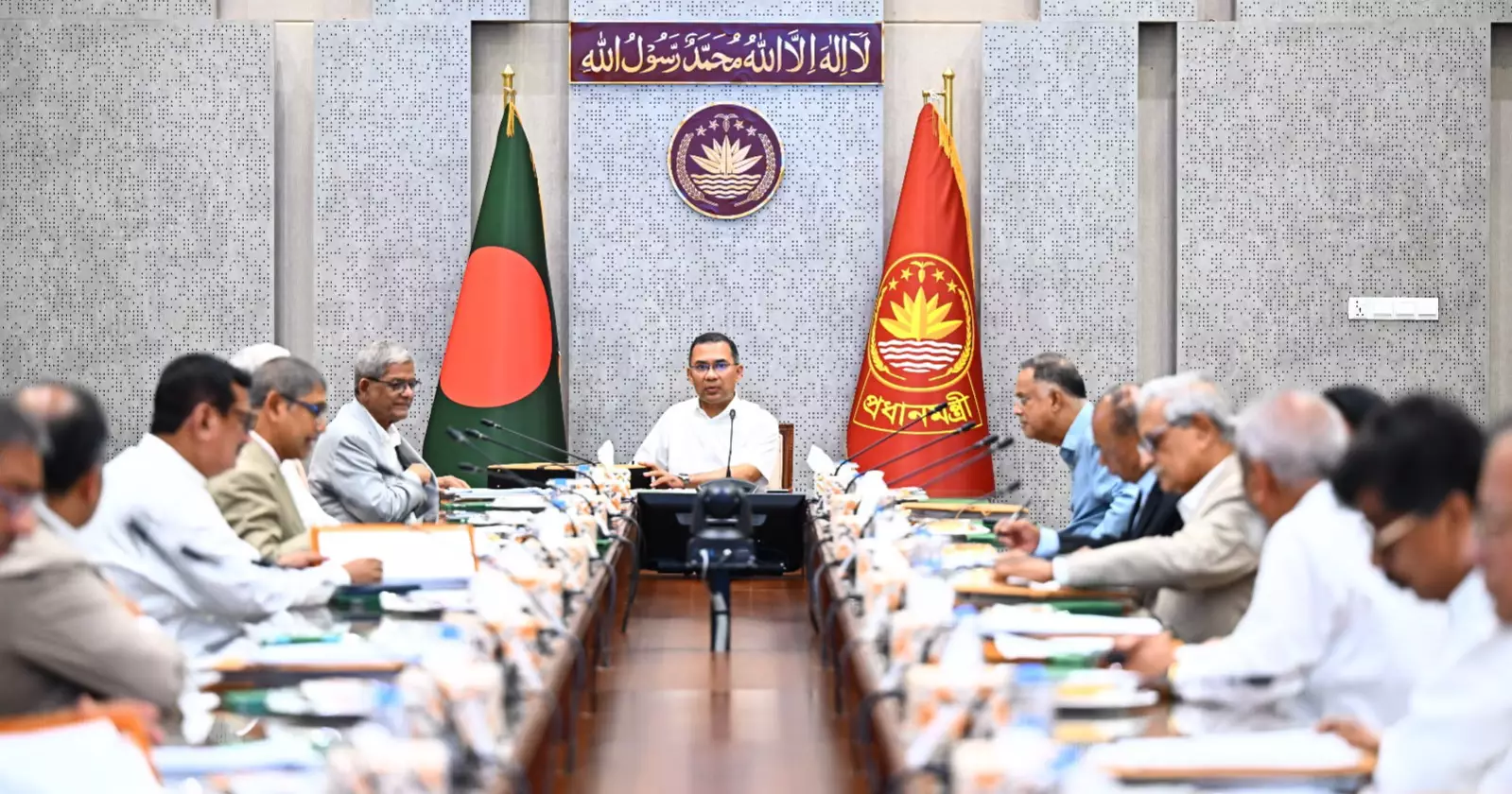
The approval came from a Cabinet meeting chaired by Prime Minister Tarique Rahman at the Bangladesh Secretariat.
The Ministry of Home Affairs placed the draft law before the Cabinet, which gave its final approval subject to vetting by the Legislative and Parliamentary Affairs Division.
PM issues three directives to tackle energy crisis, boost solar power
In the proposed law, enforced disappearance has been defined as a distinct criminal offence that will be cognisable, non-bailable and non-compoundable, with the aim of upholding human rights, human dignity, personal liberty and the rule of law.
According to a press release, the law will establish a comprehensive legal framework to prevent enforced disappearances, prosecute those responsible, locate disappeared persons, and ensure the rights, compensation and rehabilitation of victims and their families.
The law seeks to establish an integrated legal framework for preventing enforced disappearances, bringing perpetrators to justice, tracing missing persons and protecting the rights of victims and their families through compensation and rehabilitation, it said.
The draft includes provisions allowing courts to issue search warrants to recover disappeared persons, conduct trials in the absence of accused, admit digital evidence and ensure the confidentiality and security of witnesses, complainants, whistleblowers and victims.
It also recognises victims' right to receive information on the progress of investigations, the actual circumstances of the incident and the whereabouts or fate of the disappeared person.
The proposed law includes provisions for government-funded legal assistance, medical care, rehabilitation and the creation of a compensation fund for victims.
Compensation may be recovered from the property of convicted persons, while the state will provide compensation if such recovery is not possible.
The draft law further allows the use of a disappeared person's property to support the maintenance and necessary expenses of their spouse and dependent family members.
It also provides for issuing a certificate of disappearance after five years to facilitate inheritance proceedings among legal heirs.
The draft law also proposes the establishment of a central database on enforced disappearances and provisions for international cooperation on disappearance-related cases.
In the proposed law, there are provisions to complete investigations within a maximum of 120 days and trials within a maximum of 120 days.
The punishment for the offence of enforced disappearance is maximum life imprisonment and fines.
If the disappearance results in death, a body is recovered, or the disappeared person cannot be found alive or dead even after five years, the punishment may extend to death or life imprisonment along with a fine of up to Tk 1 crore.
During the tenure of the last interim government, the Enforced Disappearance Prevention and Redress Ordinance, 2025 was promulgated. However, the ordinance ceased to have effect after it was not ratified by the current Parliament.
The Cabinet also gave the final approval to the draft of the Transfer of Property (Amendment) Act, 2026 in order to allow the donors to retain the lifetime usufruct rights, enabling them to continue using and enjoying the property during their lifetime.
The Law and Justice Division placed the proposed law in the meeting. The Cabinet cleared the draft law, subject to vetting by the Legislative and Parliamentary Affairs Division.
The existing Transfer of Property Act, 1882 did not contain any specific provision allowing parents or grandparents to donate property to their children or grandchildren while securing their legal right to use the property for the rest of their lives. The proposed law seeks to address that gap by providing legal protection for such arrangements.
Besides, the Cabinet approved a proposal to cancel the Essential Medicines List 2026 and the Drug Pricing Method 2026 as the two instruments were prepared without the mandatory consultation with the National Drug Advisory Council, as required under the Drugs and Cosmetics Act, 2023.
The validity of the Essential Medicines List and the drug pricing mechanism introduced in January 2026 was challenged before the High Court, where the matter is now pending.