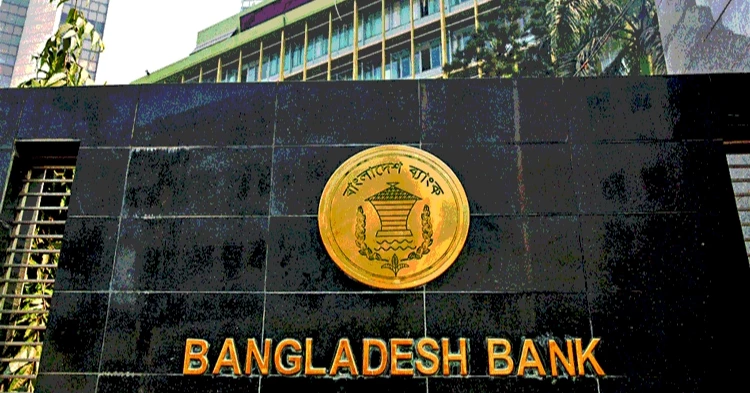
The exchange rate of the US dollar in Bangladesh’s banking channels has crossed Tk 125, driven by a surge in demand for fuel and petroleum imports, defying various stabilization measures by Bangladesh Bank.
On Tuesday (Nov 10), several commercial banks purchased US dollars from exchange houses at rates ranging between Tk 125.10 and Tk 125.15. Meanwhile, the dollar rate for settling import letters of credit (LCs) stood between Tk 124.90 and Tk 124.97. Over the past three months, the price of the dollar has escalated by more than Tk 2.30.
An official of foreign exchange department of Bangladesh Bank told UNB that the central bank has a target to keep exchange rates below Tk125.
The official not responsible for talking with the media also said that dollar exchange rates soared due to increased import demand of essentials and fuel oil.
According to bankers, the heightened demand is primarily fueled by government-level payments for fuel oil imports. Following the outbreak of conflict in the Middle East in March, international fuel prices have risen steeply, pushing current import costs to around $148 per barrel, compared to below $90 prior to the war.
Central bank data reveals that Bangladesh's total import expenditure increased by 15 percent during the July–September quarter of the current fiscal year. Petroleum import costs reached $2.98 billion during the period, up from $2.33 billion in the corresponding period of the previous fiscal year. Furthermore, expenditure on petroleum, oil, and lubricants (POL) surged to $3.71 billion—nearly double the $1.82 billion recorded a year earlier.
Despite selling $122 million from foreign exchange reserves last week, the central bank was unable to drive down the dollar rate in the open market. Financial analysts and bankers note that sustained import payment pressures from the Bangladesh Petroleum Corporation (BPC) and Petrobangla are expected to keep dollar demand elevated throughout the month.