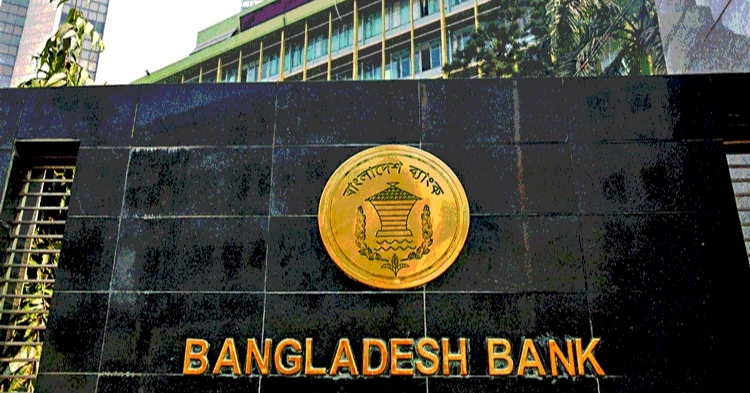
Bangladesh Bank (BB) has relaxed foreign exchange regulations, allowing local exporters to sell products directly to foreign consumers through international online marketplaces and digital platforms.
The move is expected to expand cross-border e-commerce operations and significantly ease global market access for small and medium enterprises (SMEs).
Bangladesh Bank launches nationwide campaign ahead of Bangla QR rollout
The central bank issued a circular in this regard on Monday, stating that the initiative aims to facilitate business-to-consumer (B2C) export activities and boost the expansion of digital commerce.
Under the new directives, Bangladeshi exporters can now list and display their goods on internationally recognized online marketplaces, enabling foreign buyers to make direct purchases.
According to the circular, exporters will be allowed to ship small-scale goods valued up to US $5,000 per consignment under CFR (Cost and Freight) terms.
Furthermore, the requirement to submit the export form has been relaxed for export shipments valued up to $1,000.
However, the central bank mandated that the full payment for such exports must be received in advance through authorized banking channels or legitimate digital payment systems.
To streamline cross-border e-commerce logistics, shipping documents can now be issued directly in the name of the foreign buyer, making the direct delivery process faster and more efficient.
The BB guidelines also incorporate customer protection measures, allowing provisions for refunds to foreign buyers in cases of product returns, damaged goods, or quality disputes. Additionally, local businesses have been permitted to legally remit funds abroad to cover required subscription fees, registration costs, membership dues, and other service charges essential for operating on international digital platforms.
Industry insiders and e-commerce stakeholders welcomed the decision, noting that local entrepreneurs previously had to rely on a complex 'Business-to-Business and Business-to-Consumer' (B2B and B2C) model, which required pre-shipping goods abroad to be sold via local distributors or platform warehouses.
The new policy will pave the way for direct engagement with global consumers, benefiting sectors such as SMEs, handicrafts, leather goods, apparel, home decor, and agro-processed products, while accelerating product diversification and boosting foreign exchange earnings.