September marks the transition from summer to fall, and while many summer flowers are still blooming, gardeners are beginning to turn their attention to one of the season's most popular plants — the chrysanthemum, commonly known as the mum.
Most mums sold in ready-made containers at garden centres are traditional “cushion” mums. These compact, rounded plants are popular for their colourful flowers, but gardeners have many other varieties to choose from.
Around 40 species of wild chrysanthemums are recognised worldwide. Over the centuries, breeders have developed thousands of different varieties, making chrysanthemums one of the largest and most diverse groups of flowering plants.
The National Chrysanthemum Society classifies mums into 13 categories based on flower shape. Although some types require special care and are mainly grown for exhibitions, many attractive varieties are suitable for home gardens.
Perennial mums can return every year
Many chrysanthemums are perennials and can bloom again year after year if they are planted early enough to allow their roots to become established before winter.
Gardeners should, however, be careful when buying florist mums, often sold in foil-covered pots at supermarkets and other stores. These are usually grown as temporary fall decorations and may not survive the winter.
Checking the plant label is important to see whether a variety is suitable for the local climate and growing zone.
Perennial cushion mums are among the easiest to find. Their compact, rounded shape is covered with small, double flowers in colours ranging from white and yellow to pink, purple, red, orange, bronze and rust. They usually begin blooming in late summer or early fall and can continue flowering for four to six weeks.
Most cushion mums grow well in hardiness zones 5 to 9, while some varieties can survive in colder areas as low as zones 3 or 4.
Other varieties can add something different
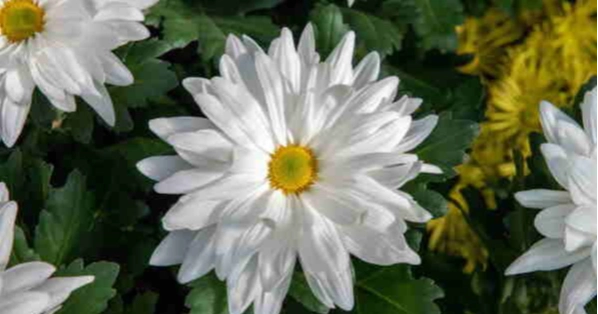
Daisy chrysanthemums have flowers that resemble daisies, with a flat centre surrounded by petals. Their stems often produce several blooms in colours including white, yellow, pink, lavender, orange, bronze and even two-tone combinations.
Most varieties are suitable for zones 5 to 9, although cold-hardy types such as Mammoth can survive in zones as low as 3.
Gardeners looking for something more unusual may consider Fuji, or spider, mums. Their long, narrow, tube-shaped petals curl at the ends, giving the flowers an appearance similar to spider legs.
These mums can be harder to find and may be available mainly at specialist nurseries or through mail-order catalogues. Most are hardy to zone 5 and often begin blooming in early November, with flowers lasting between four and eight weeks.
Homecoming, also known as Football mums, are among the largest and most striking chrysanthemum varieties. They became popular during the early and mid-20th century when their large blooms were commonly used in corsages for college homecoming events.
Their flowers are large and densely packed, with petals that curve inward. These mums can be grown as perennials in zones 5 to 9 and are generally available from specialist nurseries or mail-order suppliers.
With so many shapes, colours and varieties available, chrysanthemums offer gardeners plenty of ways to brighten their fall gardens beyond the familiar cushion mum.