
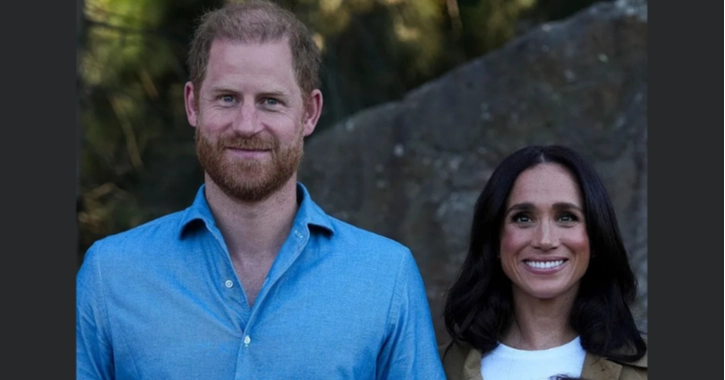
Prince Harry and Meghan Markle have concluded a four-day visit to Australia’s east coast that carried the appearance of a traditional royal tour, but attracted limited public attention and mixed reactions.
The Duke and Duchess of Sussex, who are no longer working royals, undertook the visit in a private capacity, with engagements centred on Indigenous culture, Australian sport, charitable activities and a visit to the national war memorial.
During their previous 2018 tour as active royals, tens of thousands of people turned out across a nine-day visit. This time, however, most Australians interviewed by the BBC said they were either unaware of or uninterested in the couple’s presence.
Andrew’s royal downfall deepens latest crisis for Britain’s monarchy
There has also been some criticism after reports suggested Australian taxpayers could bear part of the security costs for their public appearances.
Flinders University academic Giselle Bastin said the visit appeared tightly controlled, limiting public exposure and potential backlash.
Despite the low-key reception, the couple engaged warmly with supporters, often high-fiving fans and taking selfies. At the Sydney Opera House, Harry met Michelle Haywood, daughter of war widow Daphne Dunne, whom he had previously met in 2015.
Meghan also participated in several interactions, including meeting survivors of the Bondi Beach attack and speaking with children about Australian literature.
The visit also highlighted the couple’s increasing focus on media and commercial ventures, with Meghan investing in a tech platform and appearing at a paid retreat, while Harry spoke at a mental health summit. Some events raised questions over costs and payments, though organisers declined to confirm details.
While supporters praised their charitable work, critics questioned the commercial aspects of the trip. Invictus Australia CEO Michael Hartung defended the couple, saying their involvement significantly benefits charitable organisations.
Fans, however, said the couple are entitled to earn a living and should be free to pursue commercial opportunities alongside their charitable engagements.
Source- BBC