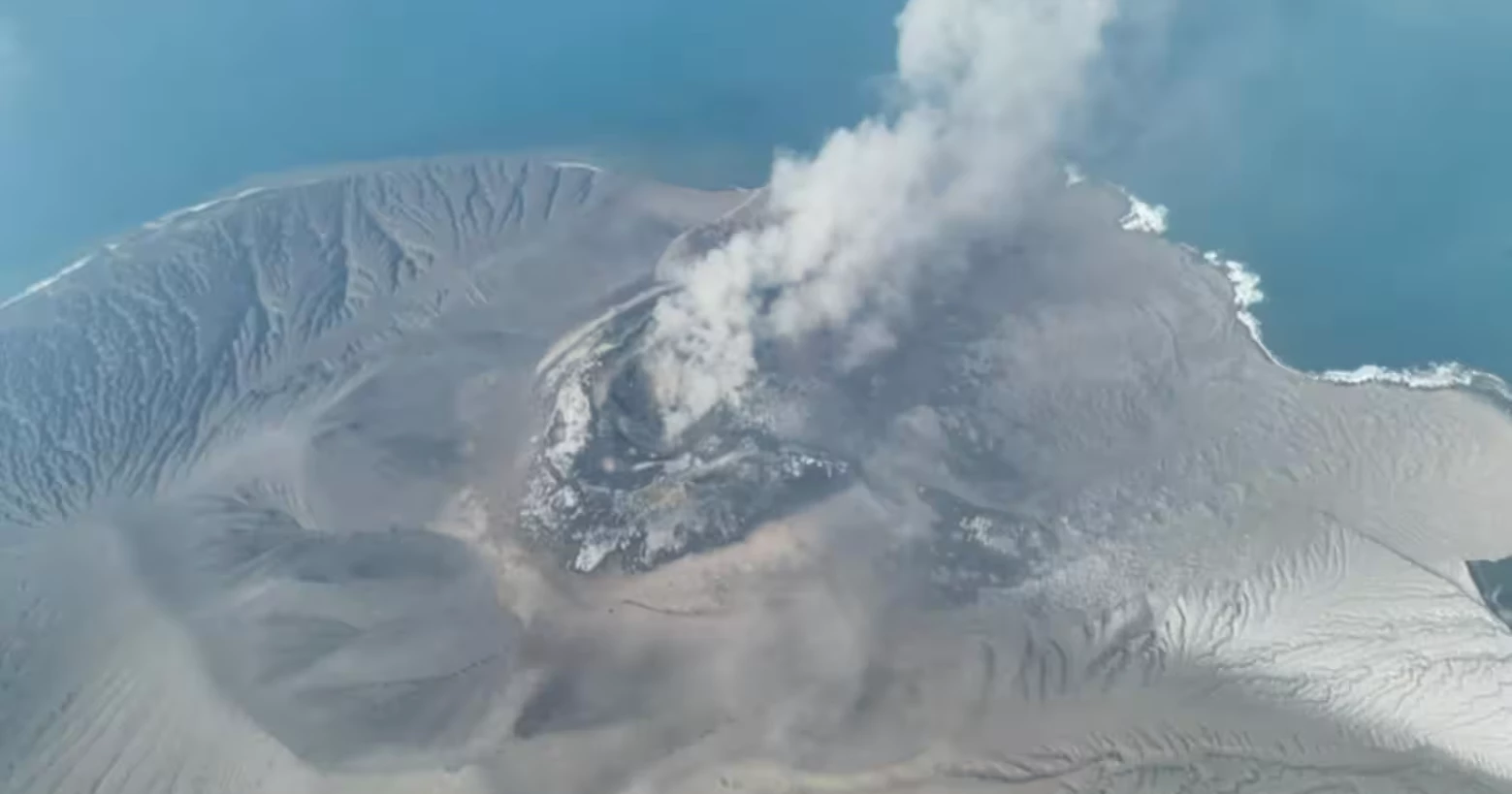
Air travel in and around Indonesia’s capital returned to normal Tuesday after volcanic ash from an eruption led to the closure of several airports for two days, disrupting almost 3,000 flights.
Soekarno-Hatta International Airport and Halim Perdanakusuma Airport in Jakarta, along with three other airports in nearby areas, reopened shortly after midnight, Transportation Minister Dudy Purwagandhi said. By Tuesday morning, two of the facilities had returned to regular operations, while another had already reopened a day earlier.
Purwagandhi said flights were permitted to restart only after aviation officials confirmed that conditions posed no danger to aircraft. Airlines and airport operators were also instructed to examine planes carefully before allowing them to fly.
Flight crews were warned to remain alert to temporary restricted airspace established over areas affected by volcanic ash. Aviation authorities commonly impose such restrictions because ash particles can enter aircraft engines and cause serious damage to engines and other vital components.
The intense eruption of Anak Krakatau, which produced lava fountains and powerful explosions, subsided Sunday. However, the volcano was still showing signs of activity Tuesday morning. Officials recorded eruptions at 5:08 a.m. and 5:34 a.m., although poor visibility caused by fog and weather prevented them from determining the height of the ash plume.
The airport shutdowns on Sunday and Monday affected approximately 2,961 flights, including 622 international flights, and disrupted travel plans for an estimated 341,000 passengers.
Authorities also gave schools in communities covered by volcanic ash permission to temporarily conduct classes online. The move was intended to limit students’ exposure to potentially harmful volcanic particles.
Anak Krakatau, meaning “child of Krakatau,” sits in the Sunda Strait between Java and Sumatra. It emerged from the remains of the historic Krakatau volcano, whose massive 1883 eruption had worldwide climatic effects and contributed to a period of global cooling.
Anak Krakatau was also responsible for a deadly disaster in 2018, when an eruption triggered a tsunami that struck parts of Sumatra and Java, killing at least 430 people. Scientists believe volcanic activity caused an underwater landslide, resulting in the collapse of part of the volcano’s southwestern flank and the displacement of a huge amount of seawater.
The volcano has remained under Indonesia’s second-highest warning level since July. Officials have urged residents, tourists and fishermen to keep a minimum distance of 3 kilometers (1.9 miles) from the active crater.