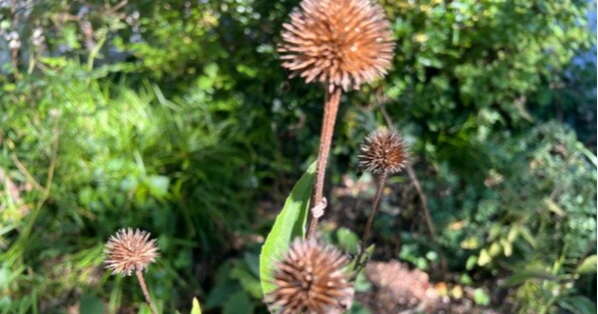
Autumn is a good time to clean up gardens, but removing all dead leaves and cutting back every plant may do more harm than good. While some plants need trimming to prevent diseases and pests, others should be left standing through winter to protect wildlife and prepare for healthy growth in spring.
Knowing which plants to keep and which to remove can help gardeners maintain plant health, prevent diseases and encourage better flowering in the next growing season.
Plants to leave standing over winter
Perennials that produce seed heads should generally be left standing during winter. Their seeds provide food for birds that stay through the colder months, while their stems offer shelter for pollinators and other beneficial insects.
These plants include allium, aster, black-eyed Susan, coneflower, goldenrod, milkweed, sneezeweed and rattlesnake master, among others.
Most shrubs that bloom in spring develop their flowers on older stems, known as “old wood”. Pruning them in autumn can remove buds that would otherwise bloom next year. Gardeners should avoid cutting back azaleas, rhododendrons, forsythia and hydrangeas at this time.
If these shrubs need trimming to maintain their shape or size, it is best to prune them within two weeks after their spring flowers fade.
Ornamental grasses should also remain standing until new growth begins in spring. Besides adding beauty to winter gardens, they provide shelter for insects that survive the cold season.
Fallen leaves can be spread over garden beds to provide additional protection for these insects. Many of them help control harmful pests when warmer weather returns.
Woody or partly woody perennials, including Russian sage and lavender, should also be left uncut during winter. Their stems and leaves help protect the base of each plant, where the stems meet the roots, from frost damage.
Plants to cut back during autumn
Some plants should be cut down at the end of the growing season to reduce the risk of pests and diseases.
Hostas, for example, should be cut back to ground level because their dying leaves can provide hiding places for slugs and other pests during winter.
Irises should also be cut back, as their leaves can harbour iris borer eggs. Removing the foliage helps reduce the risk of these pests hatching in spring and damaging the plants.
Perennials that are prone to mildew should be cut back even if they showed no signs of infection during the current season. These include herbaceous peonies, bee balm and phlox.
Gardeners should also remove plants that suffered from disease during the year. Fallen leaves and other infected plant material should be cleared from the surrounding beds to reduce the chances of diseases spreading to new growth next season.
Annual flowers, such as zinnias, which are particularly vulnerable to powdery mildew, should also be removed if infected.
Diseased plant material should not be added to compost piles. Instead, it should be disposed of in the rubbish to prevent the spread of infection.
Do not ignore damaged branches
Regardless of the season, dead, broken or diseased branches on trees and shrubs should be removed when necessary.
Leaving damaged branches in place can threaten plant health. They may also break during winter storms, potentially causing injuries or damage to nearby property.