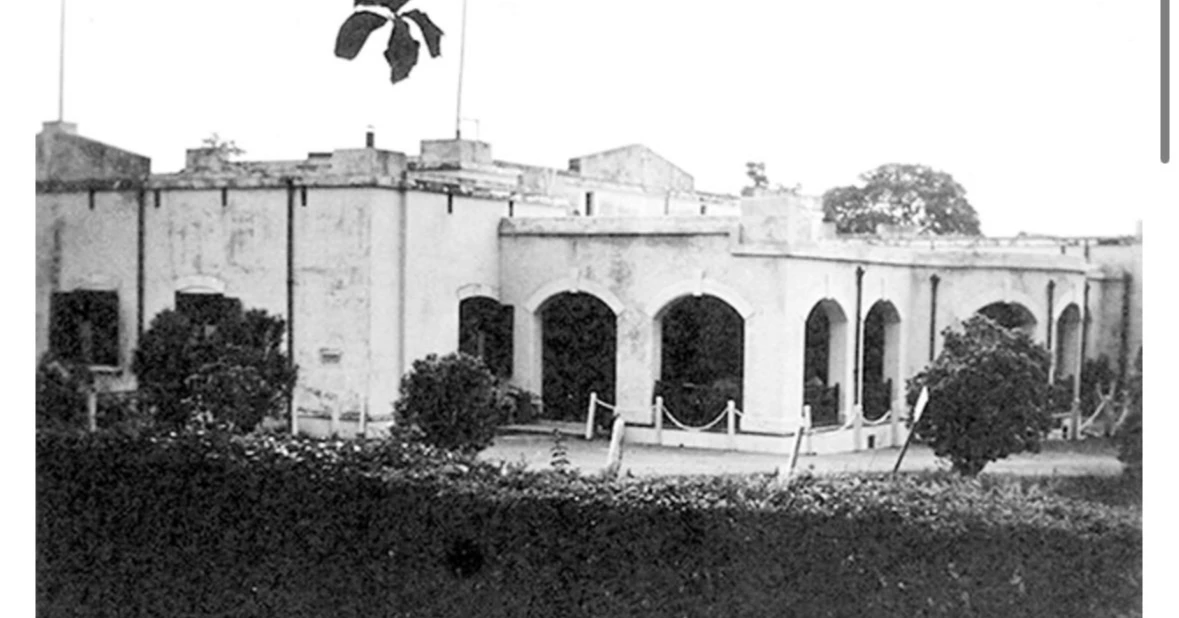
For nearly 140 years, Dhaka Club’s historic Main Lounge has stood as one of the capital’s most recognisable social landmarks, a building tied closely to the city’s institutional, civic and social memory.
But beyond the structure's heritage value, growing safety concerns now raise a difficult question: how long can preservation wait when visible structural distress has already been documented?
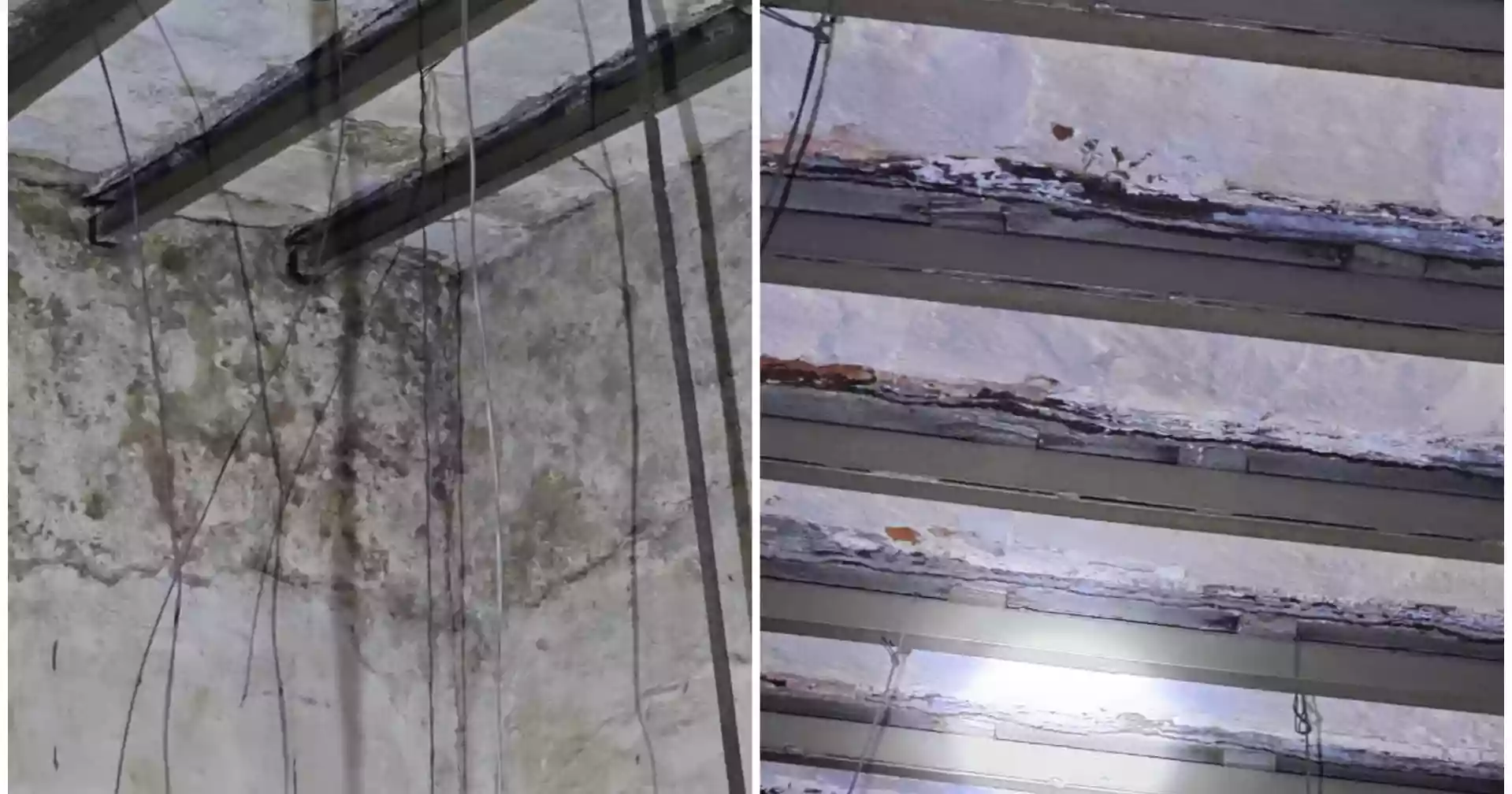
A preliminary visual structural condition assessment of the club’s Main Lounge Building and Bar Area has identified corrosion of steel members, cracks in slabs and beams, cracks in load-bearing walls, moisture intrusion, column irregularities and signs of possible past alterations.
The assessment carried out by an expert team appointed by the club describes the building’s overall structural condition as “very vulnerable” and mentioned that because only a few accessible areas were inspected, the actual condition may be more severe than the preliminary findings suggest.
It also states the structure is “very vulnerable during an earthquake” and recommends restricting access to heavily distressed zones while immediately commissioning a full Detailed Engineering Assessment, or DEA, to determine the true extent of the risk.
The building at the centre of the concern is the “Main Lounge”, the historic heart of Dhaka Club.
Tanvir Ahmed, BOD in charge of Sports at Dhaka Club, said the club premises include six buildings: the Main Lounge, Samsung H Building, Royal Bengal Dining, Wellness Building, Guest House and Tennis Lounge shade.
“The main concern is the main lounge rooftop,” he said.
Dhaka Club President Shameem Hossain also identified the Main Lounge as the area requiring urgent attention.
He described it as “the Main Lounge, which has become pretty dilapidated and needs immediate intervention, or a fateful incident may occur.”
He added, “The other buildings are okay structurally, but the lounge building is not. Rain seeping in from many points. Almost 140 years old and has been repaired many times over the years.”
He said the roof was inspected in 1986 by architect and structural engineer Shahidullah, who inspected and proposed immediate work in 1986 and did a minor repair and said it would be good enough for 10 years.
“40 years have since passed yet no action has been taken,” Hossain said.
That timeline now sits at the centre of the debate. If the 1986 intervention was intended as a short-term measure, the structure has outlived that temporary protection by almost four decades. During that time, the building has continued to serve members, staff and visitors.
The preliminary assessment appears to support those concerns.
Its visual findings repeatedly point to corrosion of steel members and slab reinforcement, cracking in slabs and beam joints, cracks near load-bearing walls and moisture-related deterioration.
The report does not call for immediate demolition. Instead, it calls for a deeper engineering investigation.
Its recommendation is clear: distressed areas should be cordoned off to protect occupants, and a full DEA should be commissioned immediately because the preliminary inspection was limited. Only such an assessment can determine the true extent of structural vulnerability and ensure public safety.