A small preliminary study by researchers at the University of California, San Francisco suggests that reducing ultra-processed foods may help ease symptoms of depression.
Published Sept. 23 in JAMA Psychiatry and funded by the National Institutes of Health, the study is believed to be the first to compare depression symptoms in the same participants before and after they switched from their regular diet to one containing healthier foods.
The pilot study involved only 20 people. However, senior author Andrew Krystal, MD, said the research showed that a larger study examining the possible link between diet and mental health is feasible.
Depression symptoms improved after dietary change
Participants reduced their consumption of ultra-processed foods by more than 85%. Following the dietary change, they recorded moderate to substantial improvements on three measures of depression. Their anxiety symptoms also improved slightly.
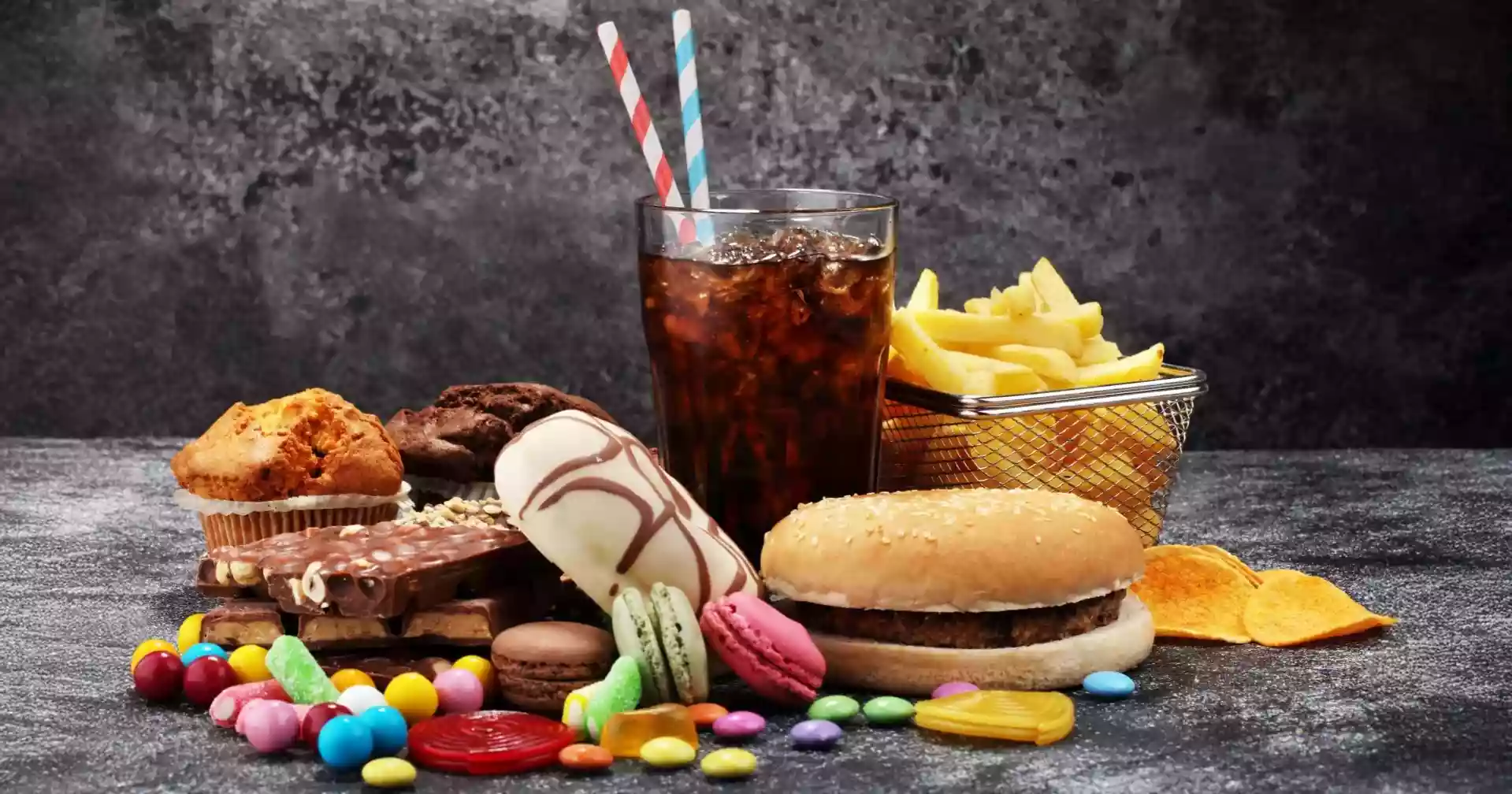
Ultra-processed foods include packaged snacks, fast food, sugary beverages and other heavily manufactured products. They often contain ingredients such as preservatives, artificial colors, flavor enhancers and emulsifiers.
"Reducing the amount of ultra-processed food in our diet can be challenging," said Nyasha Chagwedera, MD, PhD, an assistant professor in UCSF's Department of Psychiatry and Behavioral Sciences.
She said such foods are often appealing, inexpensive and convenient. They can also stimulate the release of dopamine, a brain chemical associated with pleasure and reward, which may encourage people to keep eating them.
Researchers examine possible gut-brain link
The participants had an average age of 44, and 70% were women. Fourteen participants also had anxiety. All participants had a high body mass index and at least one metabolic condition, such as high blood pressure, diabetes or elevated LDL cholesterol.
Researchers divided the participants into two groups. One group continued its usual diet for four weeks, while the other followed a diet low in ultra-processed foods. Participants bought and selected their own food with guidance from the research team.
After four weeks, the groups switched diets.
Chagwedera, who founded UCSF's Metabolic and Mental Health Program, said a possible explanation for the link between ultra-processed foods and depression could involve changes in the gut.
She suggested that these foods may damage the gut's protective lining, potentially contributing to low-level, long-term inflammation throughout the body. Such inflammation could directly contribute to depression or make some people more vulnerable to it.
Larger study planned
Researchers stressed that the findings are preliminary because of the small number of participants.
They plan to test the possible connection in a larger study, with enrollment for the second phase expected to begin in 2028.
Source: NDTV