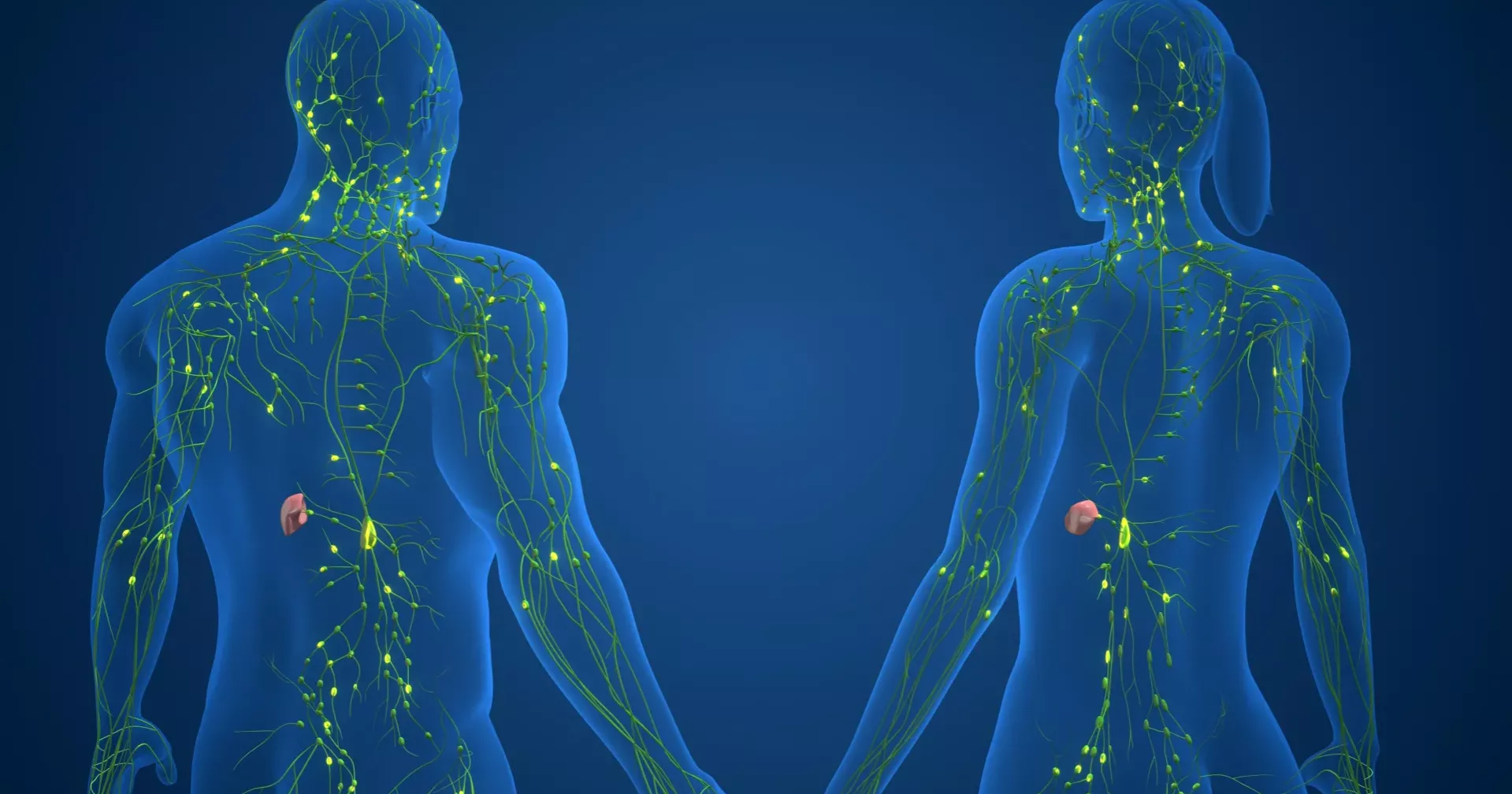
Scientists have identified more than 1,000 genetic switches that could help explain why women generally have stronger immune responses but are also more vulnerable to autoimmune diseases.
Researchers from the Garvan Institute of Medical Research and UNSW Sydney say their findings may shed light on why autoimmune diseases affect women much more often than men. In diseases such as lupus, women can be affected at rates as high as nine times those of men.
Autoimmune diseases occur when the immune system mistakenly attacks the body’s own healthy tissues.
The study, published in The American Journal of Human Genetics, found more than 1,000 genetic switches that work differently in male and female immune cells. Many of these differences were linked to inflammatory processes, which were more active in female immune cells.
The researchers said the findings show that diseases can develop differently in men and women and highlight the need to include both sexes in medical research.
“Our findings show that the immune system needs to be studied with sex in mind,” said Dr Seyhan Yazar of Garvan, the study’s lead author.
Studying individual immune cells
Researchers have long known that immune responses differ between men and women, but older methods of studying blood cells often measured the average activity of many different cells at once. This could hide important differences between individual cell types.
New single-cell technology allows scientists to examine immune cells separately.
For the study, researchers analyzed more than 1.25 million immune cells from the blood of nearly 1,000 healthy people. The participants were part of the OneK1K research project, which examines how genetics affects immune cells.
The researchers found clear differences between the immune systems of men and women.
Men had higher levels of monocytes, which are among the body's early defenders against infections. Their immune cells also showed greater activity related to basic cell functions and protein production.
Women had higher numbers of B cells and regulatory T cells. Their immune cells also showed greater activity in genes linked to inflammation.
Dr Sara Ballouz, a senior lecturer at UNSW and co-senior author of the study, said the stronger immune response may help women fight viral infections more effectively.
However, she said this stronger response may also have a downside, increasing the risk of autoimmune diseases. Men, whose immune systems are generally less focused on inflammation, may instead be more vulnerable to infections and some non-reproductive cancers.
Genetic switches offer new clues
The researchers looked at genetic controls known as expression quantitative trait loci, or eQTLs. These controls work like volume switches, increasing or reducing the activity of specific genes.
Scientists have often believed that differences between male and female immune systems are mainly caused by the X and Y sex chromosomes.
However, the new study found that most of the sex-specific genetic switches were located on autosomes, the chromosomes shared by both sexes.
The researchers identified more than 1,000 such switches outside the sex chromosomes.
Some of these genetic differences were linked to autoimmune diseases. In particular, the researchers found genetic variants affecting the activity of two genes associated with systemic lupus erythematosus, or lupus.
The findings could help explain why lupus affects women at much higher rates than men.
Researchers stressed that genetics is only one factor influencing the risk of autoimmune disease. Hormones and other biological and environmental factors also play a role.
Dr Ballouz said the study provides new evidence that sex differences exist at the level of genetic control of the immune system.
Potential for more targeted treatments
The findings could eventually help improve treatment for autoimmune diseases such as lupus.
Many current treatments work by broadly suppressing the immune system and do not work equally well for every patient. Understanding the different genetic pathways involved in male and female immunity could help researchers develop more targeted treatments.
“Our findings add strong evidence that female and male autoimmune diseases may not be the same, and the way we should treat them may not necessarily be the same,” Dr Yazar said.
Professor Joseph Powell, co-senior author and director of Garvan’s Translational Genomics Program, said precision medicine requires a better understanding of the basic biological differences between patients.
“Treatments need to be tailored not just to the disease, but to how a patient's immune system operates at a baseline genetic level,” he said.
Source: Science Daily