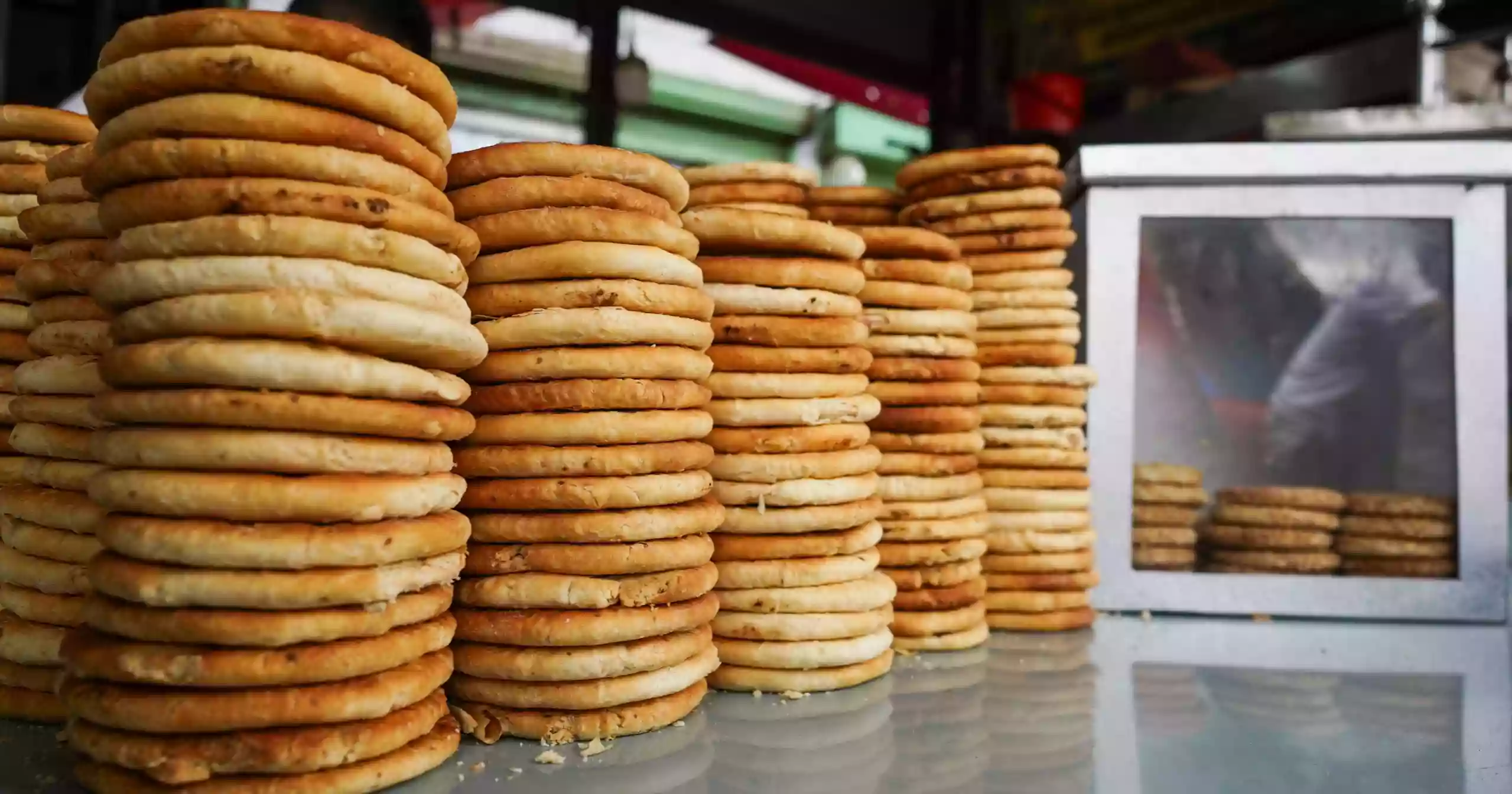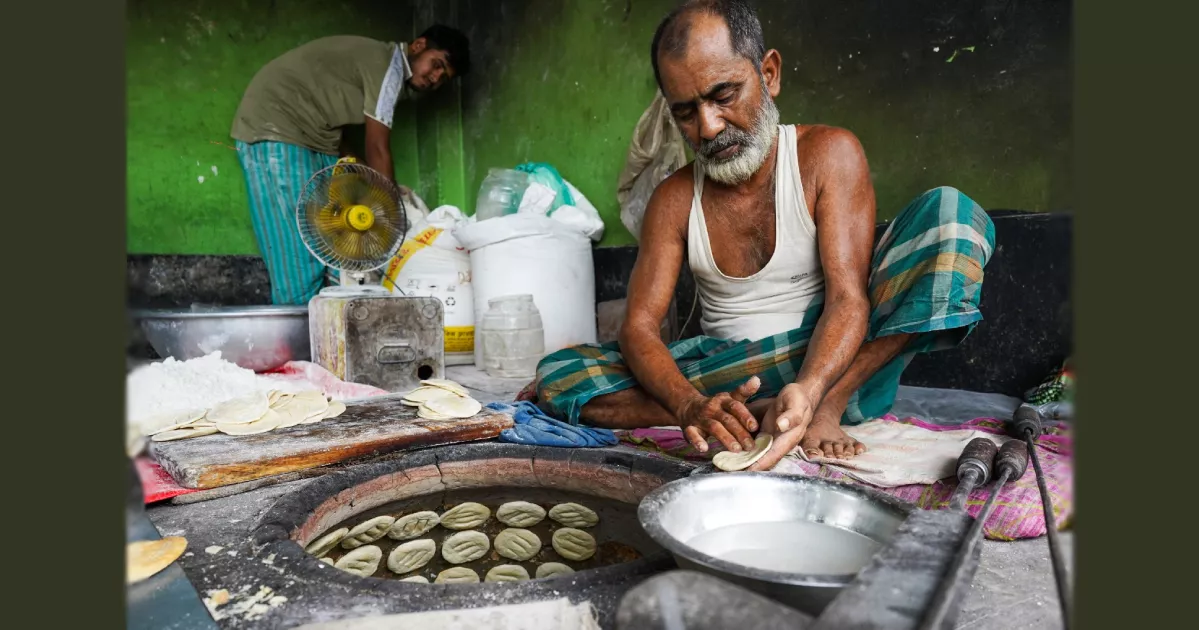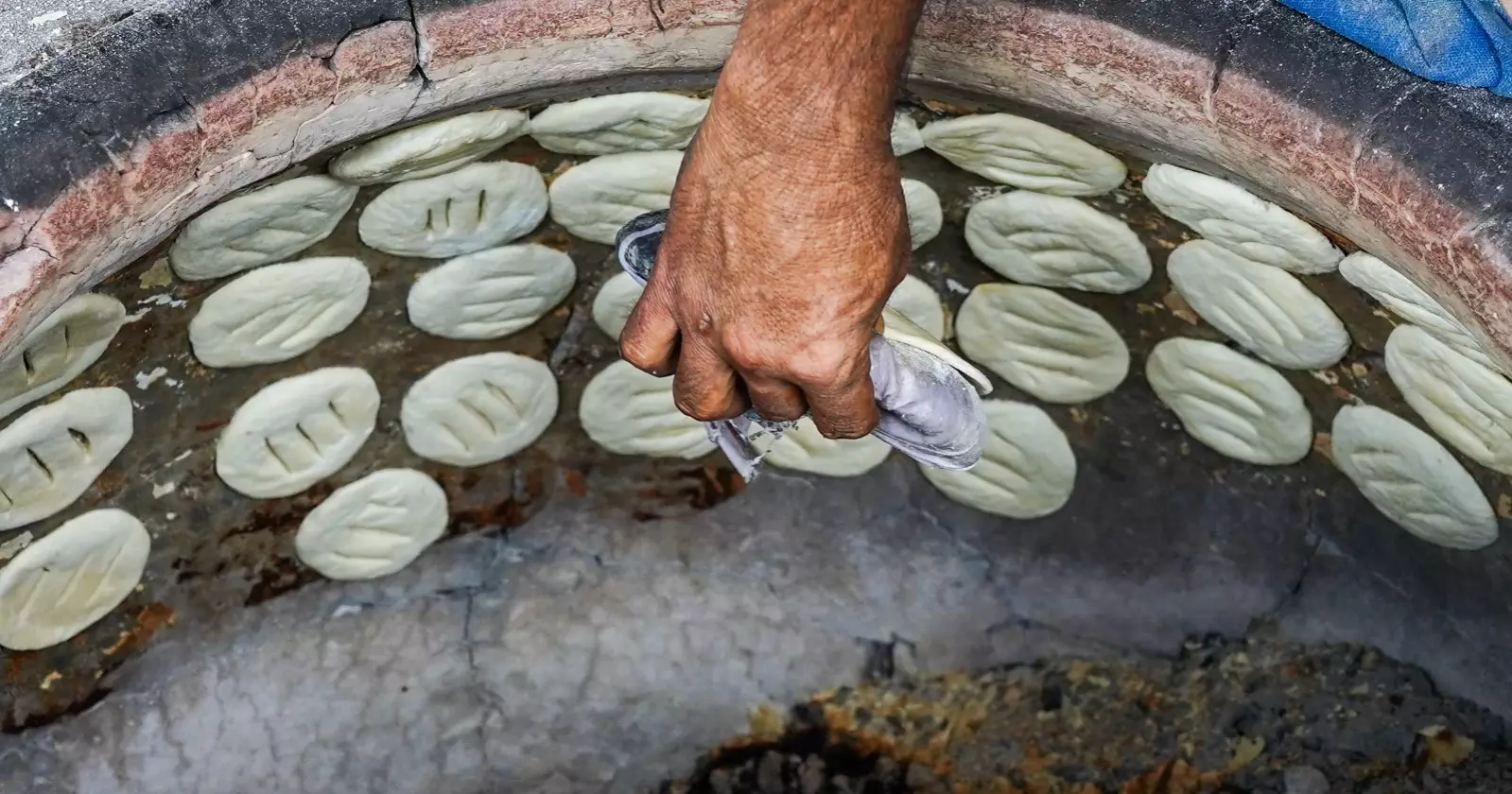
The crackling heat of a clay tandoor, the smell of burning wood and charcoal and the practiced hands of a baker have long been part of the making of 'Bakarkhani', one of Old Dhaka's most recognisable culinary traditions.
However, the centuries-old bread is now being made in an increasingly modern way.
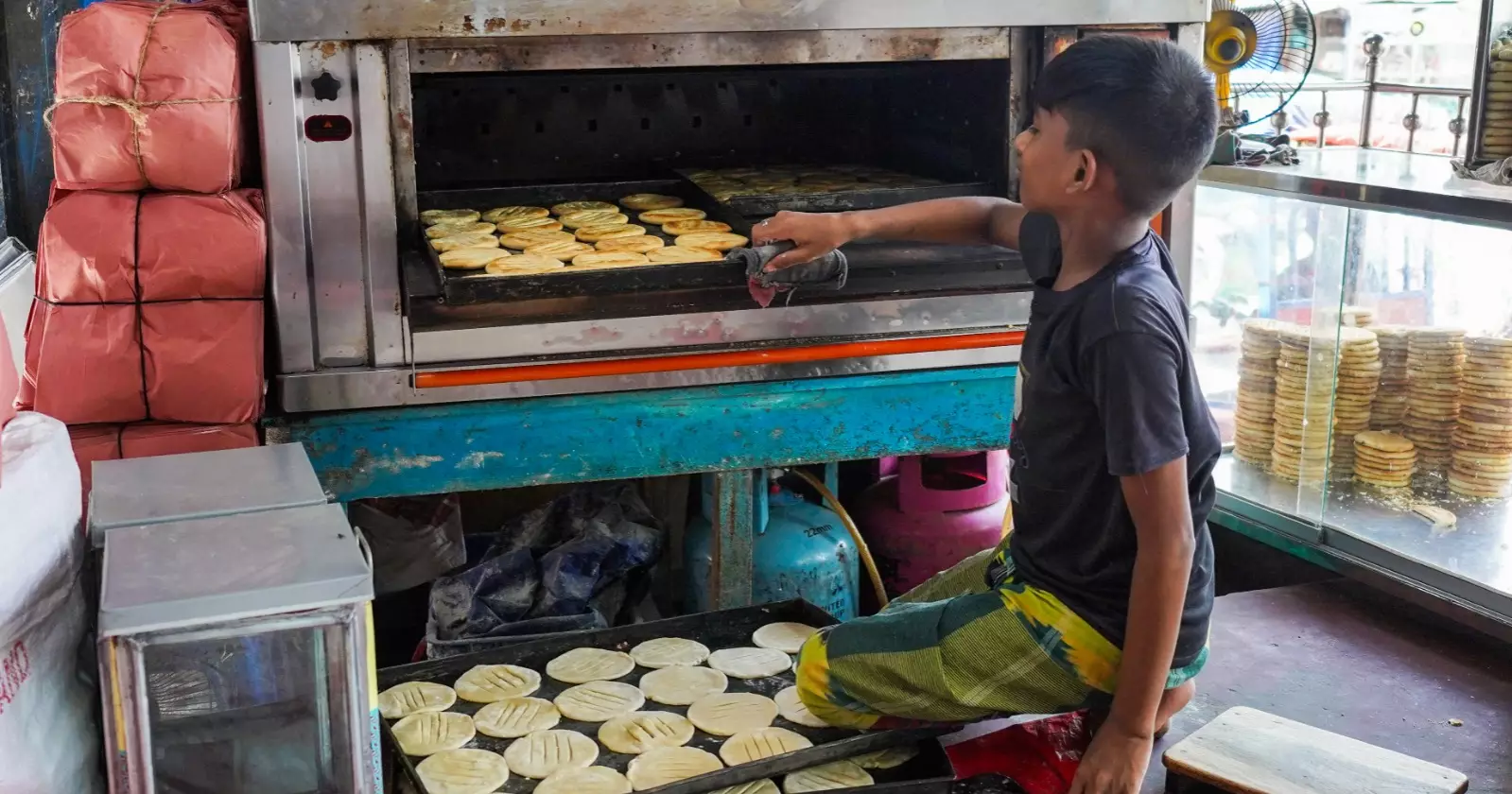
At bakeries around Dhaka, gas and electricity-powered ovens are gradually replacing traditional clay tandoors, allowing bakers to produce more easily with fewer workers and without the smoke generated by wood and charcoal fires.
The change reflects the practical realities of keeping a traditional food business alive in a rapidly changing city. Yet it is also raising a question among bakers and regular consumers: when the fire, oven and method of preparation change, does the familiar taste of bakarkhani change with them?
UNB's visit to the boat terminal area of Jinjira Bazar in Keraniganj on Wednesday found traditional and modern methods being used side by side, offering a glimpse into how technology is reshaping the production of a food deeply associated with Dhaka's culinary identity.
Bakarkhani is generally traced to the Mughal-era food culture of Bengal, although accounts differ over its precise origin. Banglapedia describes it as a traditional bakery product dating back to the Mughal period and notes that it was, until relatively recently, particularly associated with Dhaka. Culinary historians have also offered different accounts of how the bread reached the city and how its name originated.