Researchers have raised concerns over AI-powered toys for children under five, warning that the technology can misread emotions and respond inappropriately, potentially affecting early childhood development.
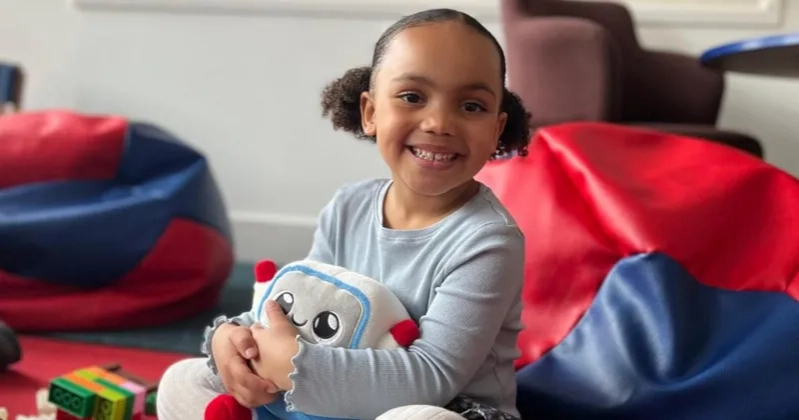
A year-long study by Cambridge University observed children aged three to five playing with Gabbo, a cuddly AI toy developed by Curio, which contains a voice-activated chatbot from OpenAI.
The study found that children often struggled to converse with the toy, which failed to recognize interruptions, differentiate between child and adult voices, and gave awkward responses to expressions of affection or sadness.
“When one three-year-old said ‘I’m sad,’ Gabbo replied: ‘Don’t worry! I’m a happy little bot. Let’s keep the fun going. What shall we talk about next?’” co-author Dr. Emily Goodacre said, warning that such interactions could confuse children learning about social cues.
The researchers said regulators should ensure AI toys marketed to toddlers provide “psychological safety” in addition to physical safety. Professor Jenny Gibson, co-author of the study, highlighted that parents need to be aware of the potential emotional impact of such toys.
Curio, which makes Gabbo, emphasized parental control and transparency in its products and said research on child interaction with AI toys is a priority. Children’s Commissioner Dame Rachel de Souza also called for stronger regulation to protect young users in educational and home settings.
Experts recommend that AI toys be used in shared spaces under parental supervision, and some nursery workers remain cautious, emphasizing that early childhood learning is better supported through human interaction rather than AI devices.
With inputs from BBC