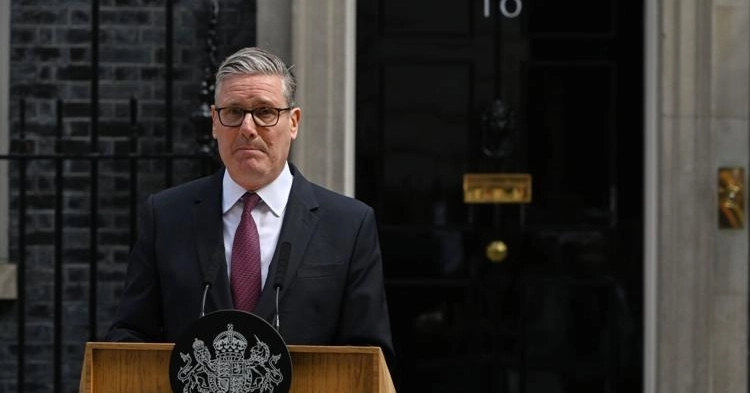
Ten years after Britons voted to leave the European Union, Brexit continues to influence the country's politics, economy and public debate, with many of its consequences still unresolved.
The June 23, 2016 referendum, in which 52% voted to leave the EU and 48% voted to remain, triggered one of the most turbulent periods in modern British politics. Then-Prime Minister David Cameron resigned the day after the vote, and the UK is now preparing to welcome its seventh prime minister since the referendum.
Brexit was promoted as a way for Britain to regain control over its laws, economy and borders. Supporters argued it would create new opportunities, while opponents warned of economic costs and political uncertainty.
Historians and political analysts say the campaign tapped into concerns about immigration, dissatisfaction with EU regulations and nostalgia for Britain's past.
Brexit promises met political reality
The years following the referendum were marked by difficult negotiations with the EU and fierce political disputes at home.
Former Prime Minister Theresa May resigned in 2019 after failing to secure parliamentary backing for her Brexit deal. Her successor, Boris Johnson, pledged to "get Brexit done" and eventually completed Britain's departure from the bloc in 2020.
However, analysts say many of the promises made during the campaign proved difficult to deliver. Trade barriers with Europe increased, political divisions deepened and debates over immigration continued.
Successive leaders, including Liz Truss, Rishi Sunak and most recently Labour Prime Minister Keir Starmer, have struggled with the economic and political challenges that followed Brexit.
Traditional parties weakened
Brexit also reshaped Britain's political landscape.
The issue intensified divisions within both the Conservative and Labour parties. Pro-EU and pro-Brexit factions clashed internally, while many voters turned away from the two major parties in favour of alternatives such as the Green Party and Reform UK.
Reform UK leader Nigel Farage, one of the most prominent Brexit supporters, has emerged as a major political beneficiary. His party now regularly performs strongly in opinion polls.
Economic and social challenges remain
Britain's economy has faced a difficult decade, with businesses adapting to new trading arrangements with Europe while also dealing with the impacts of the COVID-19 pandemic and international conflicts.
Public frustration has grown as many voters feel politicians have failed to deliver better public services, lower taxes and stronger economic growth at the same time.
Immigration remains one of the country's most divisive issues. Although migration patterns changed after Brexit, political debate over border control has remained intense.
Analysts also point to rising public distrust in politicians and growing political polarization. In recent years, anti-immigration protests and unrest have highlighted deeper social tensions.
Growing "Bregret"
Public opinion has gradually shifted since the referendum. Recent surveys suggest more Britons now support rejoining the EU than oppose it.
At the weekend, hundreds of people marched through London calling for Britain to rejoin the bloc, though the demonstrations were much smaller than those seen during the height of the Brexit debate.
Despite this, political leaders remain cautious about reopening the issue, and experts say any move to rejoin the EU would be a lengthy and complicated process.
Political analyst Chris Grey said Brexit continues to act like a lingering problem beneath many of Britain's current challenges.
He compared it to a chronic illness that has not been fully addressed, warning that the country could continue to face a period of political and economic uncertainty unless its long-term effects are confronted.