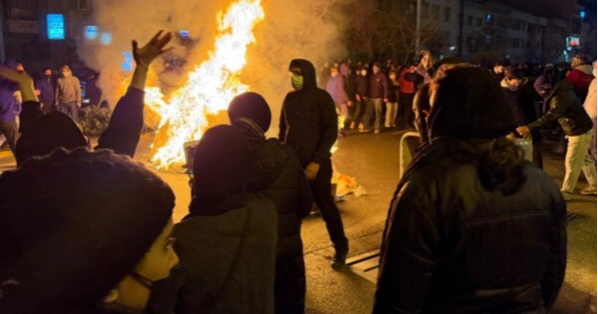
Iranian university students are facing growing disciplinary action and intimidation for participating in anti-government protests as authorities intensify efforts to suppress dissent following January's nationwide demonstrations and the outbreak of war involving the United States.
Several students have been summoned to disciplinary hearings, where panels include university officials, representatives of Iran's supreme leader and campus security personnel. One social sciences student was questioned about his reaction to the killing of former Supreme Leader Ali Khamenei in airstrikes on Feb 28.
According to student unions and human rights monitors, dozens of students across Iran are facing similar proceedings. The Associated Press spoke with six students facing disciplinary action, all of whom requested anonymity over fears of retaliation.
Students risk expulsion or being barred from studying at other universities. Some have also faced job losses, death threats and harassment after their identities were circulated on pro-government social media.
The crackdown follows nationwide protests that began in late December after Iran's currency collapsed. Security forces violently suppressed the demonstrations, killing thousands and arresting thousands more.
Disciplinary proceedings were temporarily suspended during heavy US and Israeli bombardment but resumed during the summer.
Ali Taghipour, an exiled Iranian activist monitoring student protests, said the severity of disciplinary measures had increased compared with previous crackdowns.
Reformist newspaper Shargh reported that at least 10 students each had been expelled from the University of Tehran and Amir Kabir University.
At Sharif University, 10 students have been expelled after at least 40 faced hearings, according to student union president Farzad Rahmani.
Panels often include members of the Basij volunteer militia and Harasat, the campus security agency operating under the Intelligence Ministry.
Students say officials pressure them to admit wrongdoing and withdraw their opposition to avoid punishment.
They also fear renewed war could give authorities further justification to intensify repression.
"This war has made it easier for them to crack down, to securitize everything," a Tehran undergraduate student told the AP.