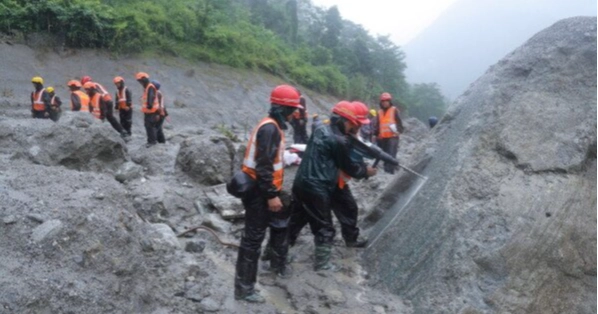
Nepal's devastating floods have exposed the growing vulnerability of hydropower projects and other infrastructure in the rapidly warming Himalayan region, as authorities face the challenge of rebuilding without repeating past mistakes.
Workers were clearing thick mud from a flood-hit power station in central Nepal that supplies electricity to more than 20,000 people. Up to 900 workers remain unaccounted for at around a dozen hydropower projects, with hundreds believed trapped in tunnels.
The disaster, which has killed more than 900 people in Nepal and China and left about 4,700 missing, has taken an estimated 700 megawatts of electricity capacity offline — around 10% of Nepal's total capacity.
Hydropower projects, roads, bridges, schools and hospitals were damaged or destroyed across Rasuwa, Nuwakot and Dhading districts.
Disaster experts said reconstruction should focus on resilience, including safer locations, alternative routes, backup power, early-warning systems and insurance. Nepal has an estimated $124 billion worth of infrastructure exposed to climate-related disasters, while average annual disaster losses are nearly $760 million.
Climate experts warn that faster glacier melt, degrading permafrost, unstable slopes, glacial lakes and increasingly unpredictable rainfall are raising the risks of floods and landslides across the Hindu Kush Himalaya.
Experts said better risk assessments and timely warnings are crucial, while future energy planning could also include more decentralized solar power alongside hydropower.