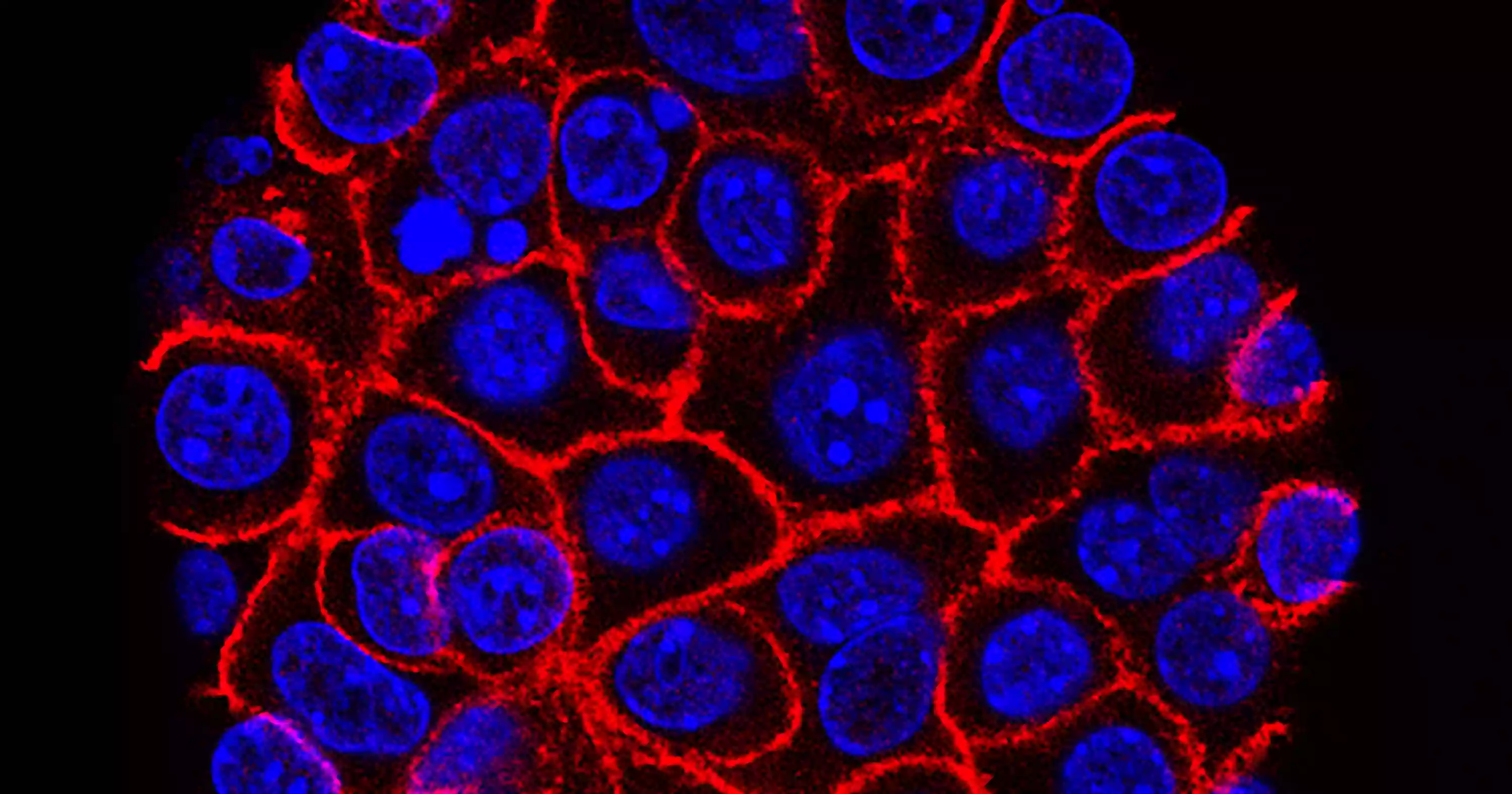
An experimental drug has shown encouraging results in treating advanced pancreatic cancer, offering fresh hope for patients battling one of the deadliest forms of the disease.
Researchers reported that the oral medication, known as daraxonrasib, significantly extended survival among patients with metastatic pancreatic cancer whose disease had stopped responding to previous treatments. The findings were presented at the annual meeting of the American Society of Clinical Oncology in Chicago and published in the New England Journal of Medicine.
The study involved 500 patients who were randomly assigned to receive either daraxonrasib or additional chemotherapy. Patients treated with the experimental drug lived a median of 13.2 months, compared with 6.7 months for those receiving chemotherapy.
According to researchers, daraxonrasib targets mutated KRAS proteins that drive tumour growth in more than 90 percent of pancreatic cancer cases. Scientists have long struggled to develop therapies capable of effectively targeting these mutations.
Dr. Zev Wainberg of the University of California, Los Angeles, one of the study leaders, described the results as a major advance, noting that while the drug is not a cure, it represents significant progress in treating the disease.
Patients receiving the drug also reported less pain, improved quality of life and fewer severe side effects than those undergoing chemotherapy. The most common side effects included skin rashes and mouth sores.
The study was funded by Revolution Medicines, which developed the drug. The company said the US Food and Drug Administration plans to expedite its review, while eligible patients can already access the treatment through a special expanded-access programme.
Pancreatic cancer remains one of the deadliest cancers, with the American Cancer Society estimating about 67,000 new cases and more than 52,000 deaths in the United States this year. The disease has an overall five-year survival rate of just 13 percent.
Cancer specialists say the findings could mark a turning point in pancreatic cancer treatment and may pave the way for additional therapies targeting KRAS mutations, as well as new vaccine-based approaches currently under development.