
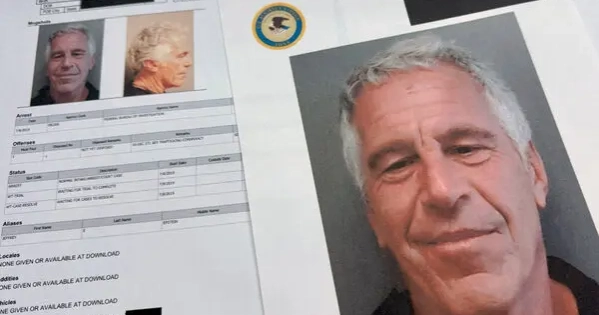
The ongoing release of millions of pages of documents related to convicted sex offender Jeffrey Epstein has continued to draw international attention, with advocates, survivors and world leaders weighing in as new material is made public by the U.S. Justice Department.
The latest tranche of more than 3 million pages of records, including emails, photographs and videos, was released earlier this year under the Epstein Files Transparency Act, a U.S. law requiring the publication of files connected to Epstein’s criminal cases. The release includes previously unseen communications between Epstein and wealthy or influential figures, though officials stress that inclusion in the files does not imply wrongdoing.
Advocates for survivors have criticised the release, saying that many documents remain heavily redacted or withheld, and that crucial material that could clarify Epstein’s network and the extent of abuse has yet to be published. Some lawyers for victims have raised concerns that improper redactions exposed personal information, prompting authorities to remove thousands of files for further review.
Who Was Jeffrey Epstein? A Look at the Controversial Financier
The release has also forced public responses from prominent individuals whose names appear in the material. Melinda French Gates addressed allegations linking her ex‑husband, billionaire Bill Gates, to Epstein in the files, calling the situation “unbelievable.”
Political and criminal fallout abroad
Revelations from the documents have triggered political and legal reactions overseas. In the United Kingdom, former Labour politician Peter Mandelson resigned from the House of Lords and now faces a police criminal investigation over allegations that he shared sensitive government information with Epstein during his time as a senior official — accusations he denies.
In neighbouring Poland, Prime Minister Donald Tusk announced a government probe into possible links between Epstein and Russian intelligence services, saying the files raised questions about national security that warrant investigation.
Unanswered questions and continued scrutiny
Despite the volume of material now made public, many key questions remain unresolved. Critics argue that the partial redaction and withholding of records obscure the full scope of Epstein’s operations and connections, limiting public understanding of how he maintained his network of contacts and evaded more serious legal consequences for years. Lawmakers and advocates continue to call for greater transparency and comprehensive disclosure.
The Justice Department says it is working to protect victims’ identities while complying with the law and continues to review and correct documents flagged for improper redaction. The controversy over the Epstein files is expected to persist as legal and political pressure mounts for further releases and accountability.
#From Agencies