North Korea fired around 10 short-range ballistic missiles towards the sea on Thursday, South Korea's military said, amid rising tensions along the border between the two Koreas.
The launches came days after Pyongyang threatened to resume propaganda broadcasts through loudspeakers and deploy new weapons systems along the heavily fortified border in response to what it described as provocative actions by South Korean troops.
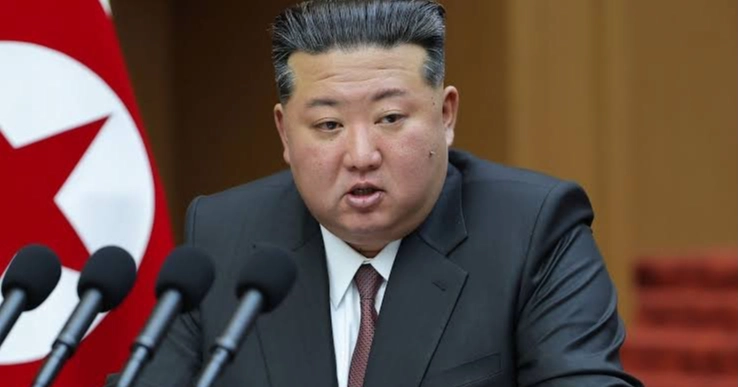
North Korean leader Kim Jong Un's surprise visit to China over the weekend also preceded the latest missile tests. During the visit, Kim sought to strengthen cooperation with Beijing, Pyongyang's key ally and a major source of economic support.
South Korea's Joint Chiefs of Staff said the missiles were launched from the eastern coastal town of Wonsan. The military strengthened its surveillance operations and maintained close coordination with the United States and Japan to monitor the situation.
Tensions between the neighbours have intensified since land mine explosions on Sept 21 injured three South Korean soldiers. Seoul accused Pyongyang of planting the mines south of the military demarcation line, but North Korea denied responsibility and warned of retaliation if provoked.
Last week, Pyongyang announced plans to restart propaganda broadcasts and deploy additional weapons along the border, protesting what it called repeated warning shots by South Korean troops in border areas.
Seoul subsequently proposed talks to clarify the border and prevent accidental clashes, but North Korea has yet to respond.
Thursday's launches followed a series of weapons tests in recent weeks, including submarine-launched cruise missiles and hypersonic missiles. Analysts believe Pyongyang may be seeking to pressure Washington into offering greater concessions as US President Donald Trump has expressed interest in resuming diplomacy with Kim.
On Saturday, Kim visited the Chinese border city of Dandong via a newly inaugurated bridge and paid tribute at a memorial honouring China's support for North Korea during the 1950-53 Korean War.
During his sixth visit to China since taking power in late 2011, Kim reaffirmed his commitment to maintaining the two countries' longstanding friendship.
He later met senior Chinese Communist Party official Wang Huning and pledged to further develop bilateral cooperation.
Kim has recently moved to strengthen relations with Beijing after prioritising ties with Moscow for several years, including through North Korea's supply of troops and ammunition to support Russia's war against Ukraine.