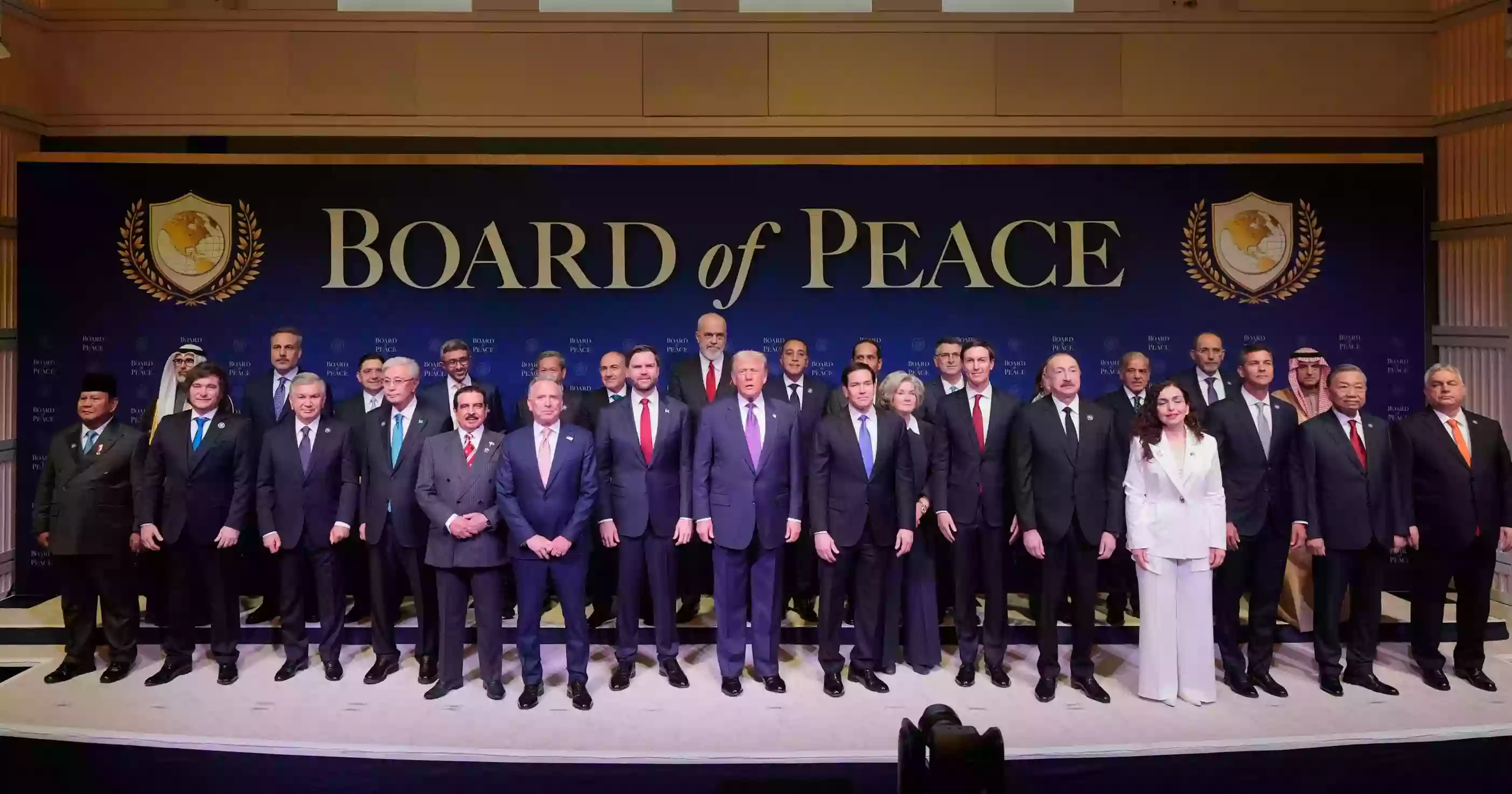
A planned International Stabilization Force for Gaza, once announced with strong optimism by the United States, is now facing major uncertainty as promised troop contributions fail to materialize.
The 20,000-member force was unveiled in February at the first meeting of former US President Donald Trump’s Board of Peace. A US general assigned to lead the mission had said it would help bring long-term peace and stability after the devastating Israel–Hamas war.
However, three months later, the force has yet to take shape, as none of the five countries that initially pledged troops have sent meaningful contributions.
Efforts to support a fragile ceasefire have also slowed. Hamas has refused to disarm, while Israel has expanded its control in parts of Gaza and continued military strikes, which it says are aimed at militants but have also caused civilian casualties.
The recent conflict involving Iran has further complicated the situation, making it politically difficult for Arab and Muslim countries to openly cooperate with the US and Israel. Rising global energy prices have also added economic pressure on potential contributors.
Indonesia puts largest troop pledge on hold
Indonesia, which had pledged the largest contribution of around 8,000 troops, has suspended its plan indefinitely. Around 1,000 troops were expected to be deployed in April, followed by more in June.
Indonesia’s decision has been seen as a major setback for the initiative. Other pledged contributors include Morocco, Kazakhstan, Kosovo and Albania.
Indonesian officials said the suspension was due to unclear implementation plans and a lack of progress from Washington. They also pointed to rising tensions in the Middle East as a major concern.
Officials in Jakarta said shifting regional dynamics and the ongoing US–Iran conflict had slowed down the entire peace initiative, leaving both the Board of Peace and the stabilization force effectively on hold.
Public and political concerns in Indonesia
Analysts say domestic opinion in Indonesia may also have influenced the decision. The war in Gaza and wider Middle East tensions remain unpopular among the Indonesian public, and rising prices linked to global instability have added to economic concerns.
Experts also noted that many Indonesians are skeptical about whether the peace plan can truly improve conditions in Gaza.
Indonesia has previously lost peacekeepers in Lebanon during clashes involving Israel and Hezbollah, which has further reduced public support for overseas military deployments.
Disagreements over ceasefire progress
US officials linked to the Board of Peace say the main obstacle to progress is Hamas’s refusal to disarm. They argue that the stabilization force cannot begin operations until the second phase of the ceasefire is agreed, which would include Hamas laying down weapons and Israel gradually withdrawing from parts of Gaza.
Israeli forces currently control about 60% of the territory.
Officials supporting the plan say armed groups must be removed before reconstruction can begin, warning that stability is impossible while militias remain active.
Hamas blames Israel for delays
Hamas, however, says Israel has repeatedly violated the ceasefire and is responsible for delays in implementing the agreement. The group also accuses US officials of taking Israel’s side.
Local health authorities say more than 880 Palestinians have been killed since the ceasefire began, although Israel says its strikes were in response to violations of the truce.
According to mediators, Hamas is also demanding Israeli withdrawal from areas captured after the ceasefire began. Egypt has been acting as a key broker in the negotiations.
Several countries that pledged troops have reportedly said they will not deploy forces unless there is clear agreement on Hamas disarmament.
Limited commitments so far
Some countries have only offered limited support. Kazakhstan says it will focus on humanitarian assistance, including medical teams. Albania has said its involvement remains under discussion, while Kosovo has indicated it is in the final stages of preparation to send a small number of troops. Morocco has not provided further details.
So far, no participating country has confirmed that troops are on the ground.
Future still uncertain
Despite the setbacks, some analysts believe Indonesia could still reconsider its position in the future, depending on diplomatic progress.
Observers say Indonesia’s leadership may still want to maintain strong ties with the United States while balancing domestic concerns and regional tensions.