
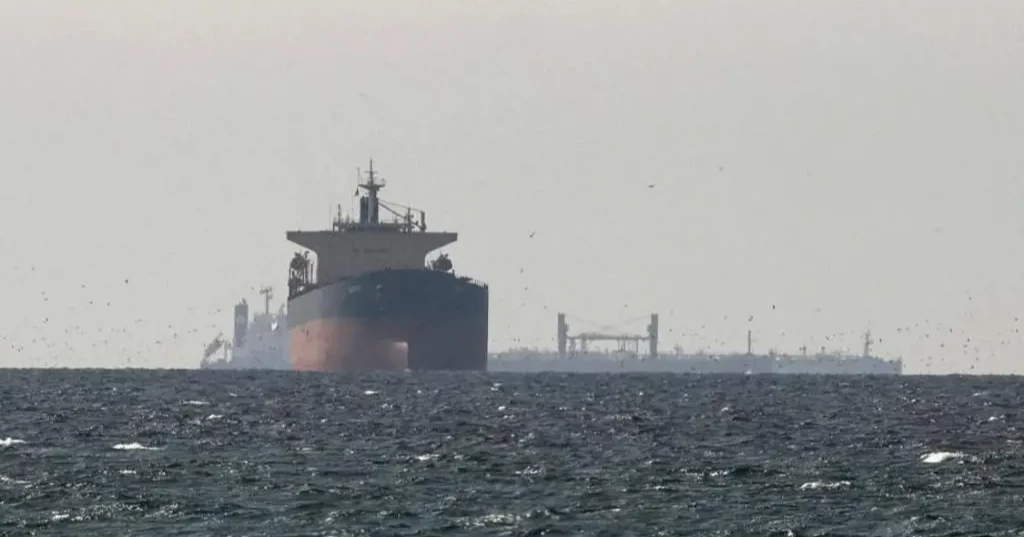
US President Donald Trump has said Washington is considering scaling back its military operations against Iran, while calling on other nations to take responsibility for securing the Strait of Hormuz, a critical global oil shipping route.
Trump said he does not support a ceasefire at this stage, arguing that such a move is inappropriate while military pressure on Iran continues.
Amid rising energy concerns, the United States has announced a temporary easing of sanctions on Iranian oil already at sea, allowing limited sales to stabilise global prices. Officials said the measure would not permit new production or purchases.
The Strait of Hormuz, through which roughly one-fifth of the world’s oil supply passes, has emerged as a focal point in the conflict. The United Kingdom has approved the use of its bases for US strikes targeting Iranian positions linked to the waterway, a move Trump described as delayed.
Iran has criticised the UK’s stance, with Foreign Minister Abbas Araghchi warning that such actions risk escalating the conflict. Tehran has also signalled it may allow certain vessels, including those linked to Japan, to pass through the strait amid ongoing negotiations.
Tensions remain high across the region. Israeli forces say they have launched fresh strikes on Tehran, while maritime authorities warn of a “critical” threat level in the Gulf following multiple attacks on commercial shipping since early March.
In Iraq, Iran-aligned groups claim to have carried out drone and missile attacks on US-linked targets. Meanwhile, reports indicate the US is preparing contingency plans for a possible ground deployment, though Trump has publicly downplayed the likelihood.
The conflict has driven oil prices sharply higher, with Brent crude hovering above $110 a barrel, intensifying global economic concerns.
The situation continues to evolve as diplomatic and military developments unfold across the Middle East.
With inputs from BBC