
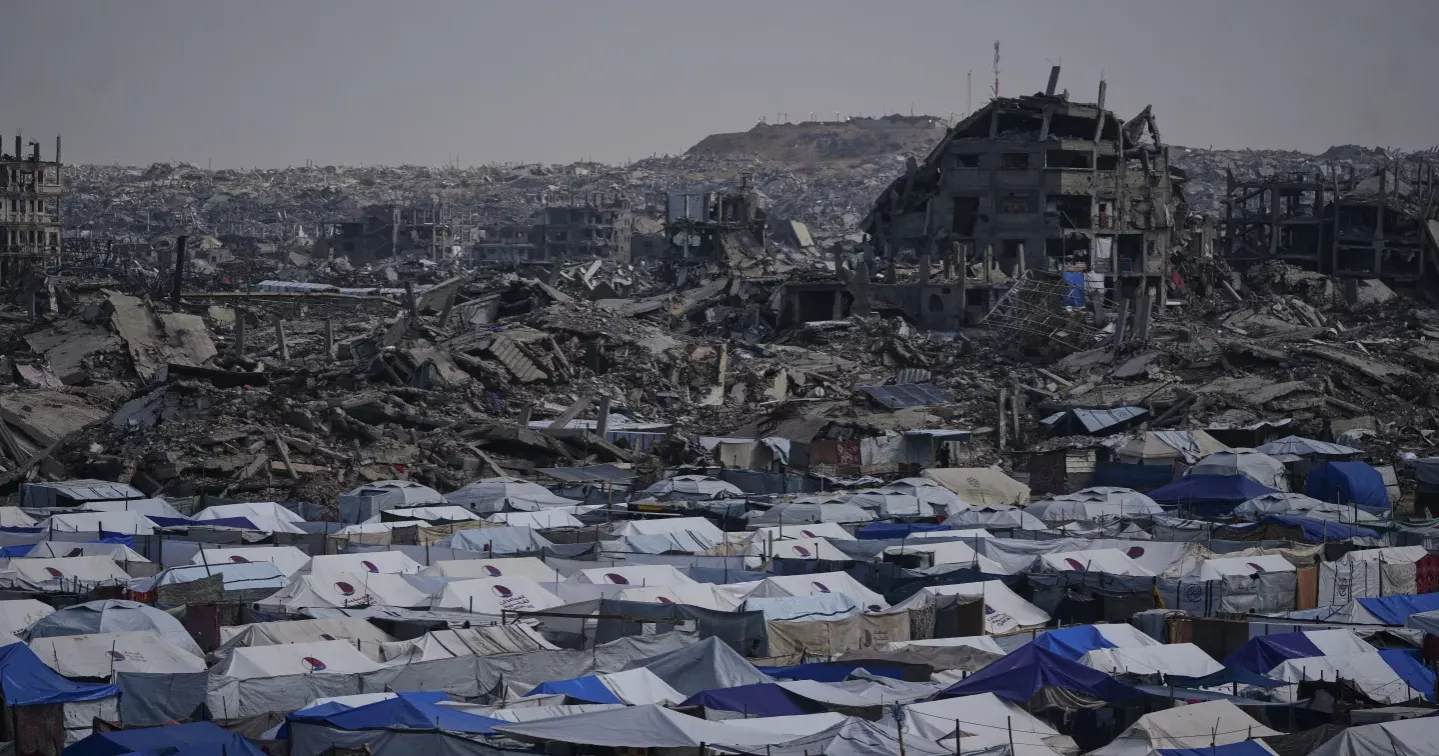
The first phase of the U.S.-brokered ceasefire between Israel and Hamas is nearing completion after two months marked by delays and disputes, even as the remains of one hostage are believed to still be in Gaza. The process now moves into a far more complex second phase that could shape the region’s future.
The 20-point plan put forward by U.S. President Donald Trump and endorsed by the UN Security Council aims to end Hamas’ rule in Gaza, rebuild the territory under international oversight, normalize Israel’s ties with Arab states and potentially open a path toward Palestinian independence.
But officials warn that if the process breaks down, Gaza could remain mired in instability for years, with Hamas retaining control of parts of the territory, Israel maintaining an open-ended military presence and civilians trapped in dire conditions reliant on aid.
Qatari Prime Minister Sheikh Mohammed bin Abdulrahman Al Thani, a key mediator, said the deal has reached a critical stage. Israeli Prime Minister Benjamin Netanyahu is expected to travel to Washington this month for talks on the way forward.
Trump’s plan includes several high-risk components.
One major element is the creation of an International Stabilization Force to secure Gaza and train Palestinian police. While countries such as Egypt, Turkey, Indonesia and Pakistan have shown interest, no commitments or deployment timeline have been finalized. A U.S. official says partner nations are meeting this month and expects forces to be deployed in early 2026, though Hamas has said it will oppose any effort to disarm it, and Israel remains wary of relying on foreign troops.
Another part of the plan is an international Board of Peace that Trump says he will lead, overseeing a committee of Palestinian technocrats who would run Gaza’s daily affairs. The board has not been formed, though former British Prime Minister Tony Blair is among the names being discussed. The challenge will be creating a body trusted by Israel, Hamas, mediators and aid agencies.
Reconstruction is also central to the plan, with Gaza devastated after months of war and most of its two million people displaced. Egypt is preparing to host a donor conference, but the UN estimates rebuilding costs at seventy billion dollars, with no financial framework yet in place.
A core requirement is the disarmament of Hamas under international monitoring. Hamas argues it will only consider freezing weapons, not surrendering them, until Israel ends its occupation. Failure to disarm could lead to renewed conflict or clashes with international forces.
Palestinians are expected to set up a technocratic committee to administer Gaza, but no names have been announced. Israel’s resistance to involving individuals linked to Hamas or the Palestinian Authority could complicate the process. There are also concerns the committee may have little real power if key decisions rest with the Board of Peace.
The ceasefire also envisions a full Israeli withdrawal from Gaza except for a buffer area along the border. Israel still controls more than half of the territory, and further withdrawals depend on conditions tied to demilitarization. There is no timeline, and top Israeli military officials have suggested the current dividing line could become a permanent defensive barrier.
Another major component is reforming the Palestinian Authority and creating conditions for a “credible pathway” to statehood. Palestinian officials say they have begun reforms, including on corruption and education. Israel opposes Palestinian statehood and any role for the authority in Gaza, which could undermine the plan’s long-term viability.
Without progress on these core issues, diplomats warn that support for the ceasefire arrangement could quickly weaken, leaving Gaza’s future uncertain.